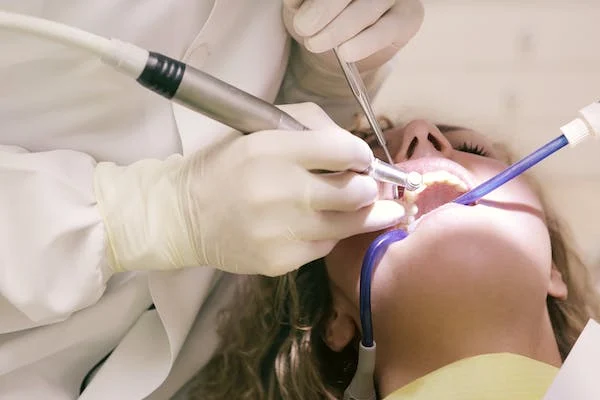
You might think a teeth cleaning is just a quick polish and rinse, but your dentist sees a whole different story. While you’re staring at the ceiling and counting tiles, they’re spotting things you’d never notice in the mirror. Tiny cracks. Early signs of decay. Plaque hiding in places your toothbrush can’t reach. Even clues about habits you didn’t realize were affecting your teeth.
A cleaning isn’t just about making your smile feel smooth. It’s more like a check-in on what’s really going on inside your mouth. Some problems are silent at first, with no pain or warning signs. That’s why dentists look so closely during a routine visit. They’re reading signals your teeth are quietly giving away.
What Does a Dentist Check During a Professional Teeth Cleaning?
A professional teeth cleaning is much more than scraping plaque and polishing enamel. If that were the whole job, we’d all own dental tools on Amazon and live dangerously. But the truth is, your dentist is multitasking like a seasoned detective during every appointment.
Here’s what they’re quietly evaluating while making small talk about your weekend:
- Gum health and pockets that may signal early gum disease.
- Plaque and tartar patterns that reveal lifestyle habits you didn’t know you had.
- Tooth stability, checking for slight movement you would never detect on your own.
- Color changes in enamel, which hint at decay or erosion.
- Existing fillings and crowns, making sure they’re still holding their ground.
- Jaw alignment and bite issues, because even a small shift can cause long-term discomfort.
- Signs of grinding or clenching, often spotted before the patient even realizes it.
While you’re lying there wondering if you floss enough (you probably already know the answer), your dentist is doing a systematic visual and tactile assessment. They’re reading your mouth like a weather forecaster predicting a storm long before it hits.
What I find interesting is how subtle some of these signals are. Tiny shadows on enamel. Slight texture differences. A microscopic chip in a molar. Most people never notice any of it, and that’s the point. By the time a patient feels pain, the problem is usually already rooted deeply—pun fully intended.
What Problems Can Be Detected During a Routine Dental Cleaning?
Routine cleanings are like early-warning checkpoints. They uncover problems before they become emergencies, and that’s where dentistry proves its real value.
Here are some of the most common issues dentists can detect long before you will:
Early Tooth Decay
Decay doesn’t show up as giant holes overnight. It starts small. Dentists look for white spots, faint discoloration, and softening enamel. If they catch these signs early, they can often prevent the need for fillings.
Gum Disease
If the gums bleed easily or begin to recede, that’s a sign your gum health needs attention. It’s usually painless in the beginning, which is why many patients miss it entirely.
Cracks and Microfractures
Maybe you opened a beer bottle with your teeth. Maybe you bit into a jawbreaker with confidence you did not earn. Either way, cracks are sneaky and can grow with time. Dentists can feel or see them long before they turn into something that hurts.
Infection or Inflammation
Even small abscesses can be detected during routine cleanings. Most people don’t realize infection can begin without dramatic symptoms.
Oral Cancer Warning Signs
This is one of the most important checks. Dentists scan for suspicious areas on the tongue, cheeks, lips, and throat. These early screenings save lives, and most patients don’t even know they’re happening.
Worn Enamel or Acid Erosion
Diet, stomach acid, and certain habits leave a visible pattern on your teeth. It’s another thing the dentist recognizes immediately.
When you think of the phrase “routine cleaning,” it sounds almost effortless, like something you could skip without consequence. But when you consider everything it actually detects, it becomes clear that skipping it is about as wise as ignoring smoke coming out of your car engine.
Why Dental Cleanings Reveal Issues Patients Cannot See?
Let’s be honest. Most of us look at our teeth the same way we check the weather through a window—quickly and without much detail. If nothing looks alarming at first glance, we assume everything is fine. Unfortunately, oral health doesn’t work that way.
There are a few key reasons dentists catch things we can’t:
They Use Tools That Sharpen Their Vision
The overhead light alone reveals more than your bathroom vanity ever will. Add magnification, explorers, periodontal probes, and x-rays, and they’re basically working with superpowers.
They Know What Early Problems Look Like
A tiny chalky patch on a molar doesn’t mean anything to the average person. To a dentist, it’s the opening line of a cavity.
Most Oral Health Problems Develop Silently
Pain is not the first sign. Pain is the final sign.
By the time something hurts, the issue has matured like a villain in a superhero movie.
Our Brains Normalize Small Changes
Receding gums happen slowly. Stains deepen over time. Teeth shift subtly. We don’t notice, but your dentist sees it immediately.
I sometimes think of dental cleanings like a backstage pass. You get access to a world you usually don’t get to see, except you’re still not the one interpreting what’s happening back there. The dentist is your tour guide, pointing out details your eyes simply wouldn’t pick up.
How Dentists Identify Early Oral Health Issues During Cleanings?
Dentists blend science, training, and a surprising amount of intuition when detecting early oral changes. They’re not just looking—they’re analyzing patterns.
Here’s how they identify issues at the earliest stages:
- Texture checks: Running an instrument along your enamel tells them if there’s softening, roughness, or sticky spots.
- Color distinctions: They can notice when enamel loses its natural translucency.
- Gum measurements: Using a periodontal probe, they measure pocket depth to track gum health over time.
- Comparisons with past visits: They know if something has shifted since last year, even if you swear nothing has changed.
- Radiographs: X-rays reveal what the eyes can’t see, especially decay between teeth or bone loss.
- Bite assessments: They’ll check how your top and bottom teeth meet, looking for early misalignments that can cause headaches or wear.
One of the things patients rarely realize is that dentists pick up on these early signs so quickly that they often prevent problems patients never even know they were heading toward. You walk out thinking, “Great cleaning!” but behind the scenes, several small threats were stopped in their tracks.
That’s one of the reasons I believe dental cleanings are one of the most underestimated healthcare appointments we have. It’s preventative care in its truest form.
Ready for a Mouth Experience You’ll Actually Feel Good About?
Trust the Team at Cascade Dental
If you’re overdue for a cleaning or simply want a dental team that notices the details, Cascade Dental has you covered. Our cleanings are thorough, gentle, and packed with insight you won’t find in the mirror at home. We don’t just clean your teeth. We help you understand them.
Book your visit today and see why patients leave our office feeling clearer, healthier, and surprisingly optimistic about their oral health.