Dental Bridges in Vancouver, WA
Replace Missing Teeth With a Fixed, Natural-Looking Dental Bridge
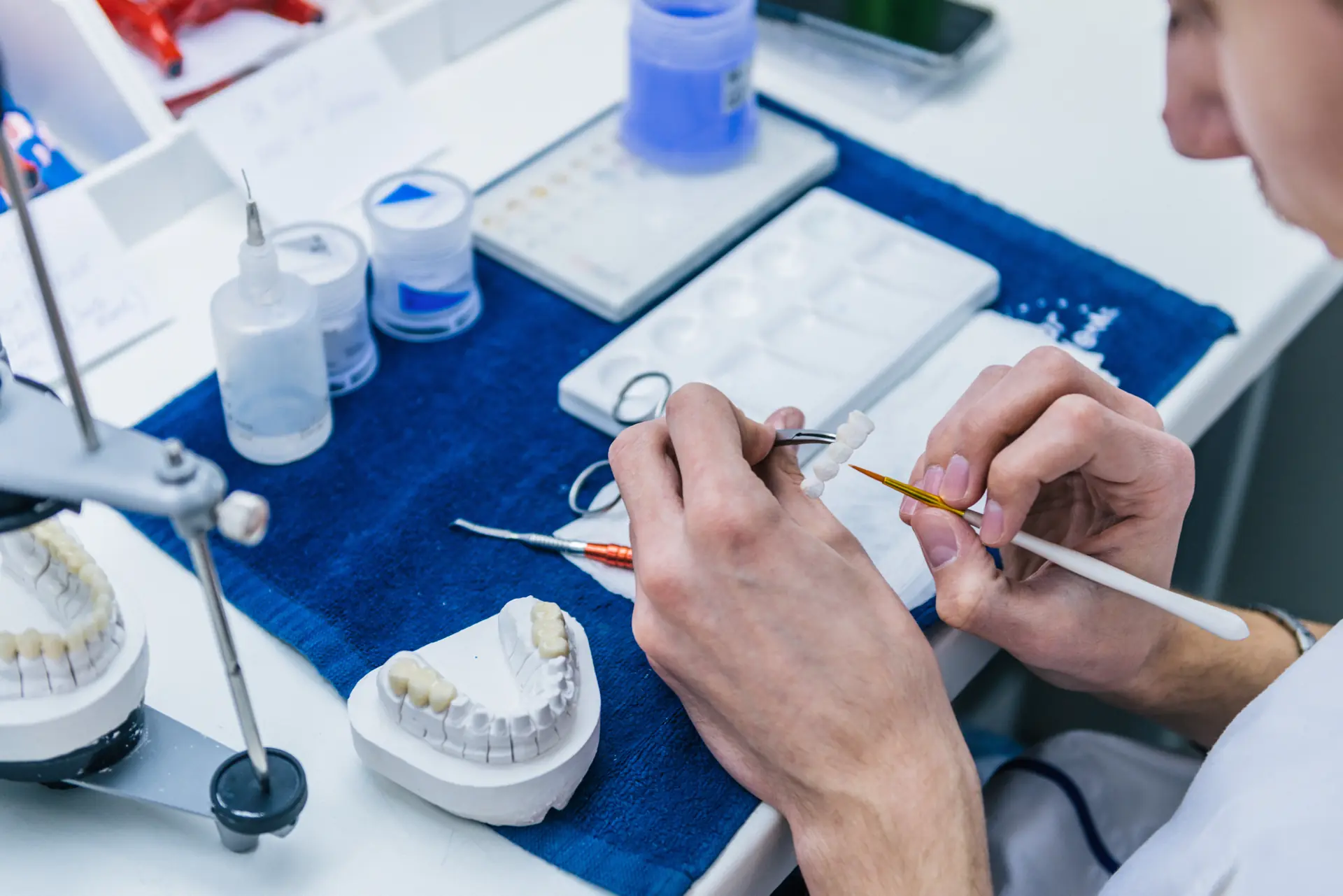
A gap in your smile is more than cosmetic. It shifts the teeth around it, strains your bite, and compounds over time. A custom dental bridge stops that — and gives you back a complete, comfortable smile.
✦ Fixed Restoration
✦ Lasts 5 to 15 Years
✦ No Surgery Required
What Is a Dental Bridge?
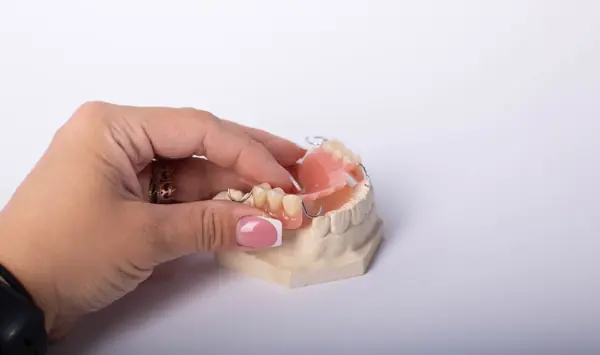
A dental bridge is a fixed restoration that replaces one or more missing teeth with a natural-looking artificial tooth. It is securely attached using nearby teeth or dental implants, so it stays in place and helps you bite, chew, speak, and smile more comfortably.
Missing teeth can lead to shifting teeth, bone loss, bite problems, and changes in your smile over time. At Cascade Dental, each bridge is custom-designed to match your bite, facial structure, and natural teeth, giving you a strong, comfortable, and confident result.
A dental bridge doesn’t just fill a gap — it stops the chain reaction that a missing tooth sets off in the rest of your mouth.
Cascade Dental Team · Vancouver, WA
Why Patients Choose Bridges
What a Dental Bridge Restores
Replacing a missing tooth isn’t just about looks — it’s about protecting your bite, your bone, and your remaining teeth for the long term.
- Restored chewing ability
Gaps make it harder to chew evenly. A bridge distributes bite force back across the arch normally.
- Prevents teeth from shifting
Teeth adjacent to a gap gradually lean in. A bridge holds space and keeps alignment intact.
- Protects facial structure
Tooth loss leads to bone resorption over time. A bridge — especially implant-supported — helps preserve facial contours.
- Clearer speech
Missing front teeth in particular affect pronunciation. A bridge restores the surfaces your tongue contacts for certain sounds.
- Fixed — not removable
Unlike a partial denture, a bridge stays in place. No adhesives, no removing at night, no movement when you eat.
- Often more accessible than implants
Traditional bridges don’t require surgery, can often be covered partially by insurance, and have a shorter treatment timeline.
Am I a Candidate?
Who a Dental Bridge Is — and Isn't — Right For
Bridges work well for many patients, but the right fit depends on the health of your surrounding teeth, gums, and bone. Here’s an honest breakdown.
Good candidates
- Missing one or a few adjacent teeth
- Healthy teeth on both sides of the gap (or on one side, for a cantilever)
- Healthy gums with no active periodontal disease
- Want a fixed option without implant surgery
- Nearby teeth already need crowns for other reasons
- Want a faster treatment timeline than implants
- Want to restore both appearance and function
May need a different approach
- Missing many teeth spread across multiple areas
- Adjacent teeth are severely decayed, cracked, or weak
- Active gum disease that hasn’t been treated
- Significant bone loss where the tooth was
- Prefer not to have adjacent teeth altered for crowns
- Younger patients where jaw growth is still ongoing
Not sure which side you’re on? A consultation at Cascade Dental gives you a clear, honest answer based on X-rays, an exam, and your individual situation — not a template.
Your Options
The Four Types of Dental Bridges
Not every gap is the same, and not every bridge is either. The right type depends on where the tooth is missing, how many are missing, and the condition of surrounding teeth.
Traditional Fixed Bridge
Most common · Supported by two crowns
A traditional bridge uses one or more pontics held in place by dental crowns placed over the natural teeth on both sides of the gap. It’s the most widely used bridge type because it’s strong, predictable, and well-suited to replacing one or two missing teeth in most areas of the mouth.
The main trade-off is that the adjacent teeth (called abutments) need to be reshaped — a layer of enamel is removed so the crowns can fit over them properly. This is a permanent alteration to those teeth, which is why their condition matters so much going in. If those teeth are healthy, a traditional bridge is often the most cost-effective and durable fixed option available.
💡 Best for: patients missing 1–2 teeth with healthy, intact teeth on both sides of the gap.
Cantilever Bridge
One-sided support · Less common
A cantilever bridge is anchored to only one adjacent tooth instead of two. It’s considered when there’s only one natural tooth available beside the gap — for example, at the back of the mouth where there’s no tooth behind the space.
Because the bridge extends out from a single anchor point, it places more stress on that one supporting tooth. For this reason, cantilever bridges aren’t recommended in areas where chewing forces are heavy, such as the back molars. When the bite and tooth health are right, however, they can be an appropriate solution.
⚠️ Note: Not recommended for high bite-force areas. Your dentist will assess load carefully before recommending this option.
Maryland Bridge (Resin-Bonded)
Conservative · Minimal tooth alteration
A Maryland bridge uses a porcelain or metal framework that bonds to the backs of adjacent teeth using resin — no crowns required. This is a more conservative approach: the neighboring teeth are largely left intact, which appeals to patients who want to avoid significant alteration to healthy enamel.
The trade-off is stability. Because Maryland bridges rely on bonding rather than crown support, they’re generally less secure, especially in areas that see heavier bite pressure. They work best for front teeth replacements where cosmetics are the priority and bite forces are lighter.
💡 Best for: single front-tooth replacement in patients with otherwise healthy surrounding teeth and a favorable bite.
Implant-Supported Bridge
Strongest option · Involves surgery
An implant-supported bridge is anchored to titanium implants placed in the jawbone rather than to natural teeth. It’s the preferred option when several adjacent teeth are missing, or when surrounding natural teeth aren’t healthy enough to serve as abutments.
The major advantages: adjacent teeth aren’t altered at all, the implants stimulate the jawbone (reducing bone loss over time), and the restoration is extremely stable. The trade-offs are cost and timeline — implant placement requires surgery followed by a healing period of several months before the bridge can be attached.
💡 Best for: patients missing multiple adjacent teeth, or those who want to preserve neighboring teeth completely.
How a Dental Bridge Is Placed: Step by Step
Most traditional bridges are completed over two appointments. Here’s exactly what to expect.
The Procedure
- Consultation & Exam
We review X-rays, examine your teeth, gums, and bite, and confirm a bridge is the right option for you.
- Treatment Planning
Bridge type, material, timeline, and cost are explained. Digital scans or impressions are taken.
- Tooth Preparation
For traditional bridges, abutment teeth are shaped under local anesthesia so crowns can seat properly.
- Temporary Bridge
A temporary restoration protects prepared teeth and maintains appearance while your custom bridge is fabricated.
- Final Placement
Fit, bite, and appearance are verified. The bridge is cemented permanently and adjusted as needed.
- Follow-Up
We confirm comfort and function. Ongoing cleanings let us monitor the bridge, abutments, and gums.
How to Choose the Right Dental Bridge
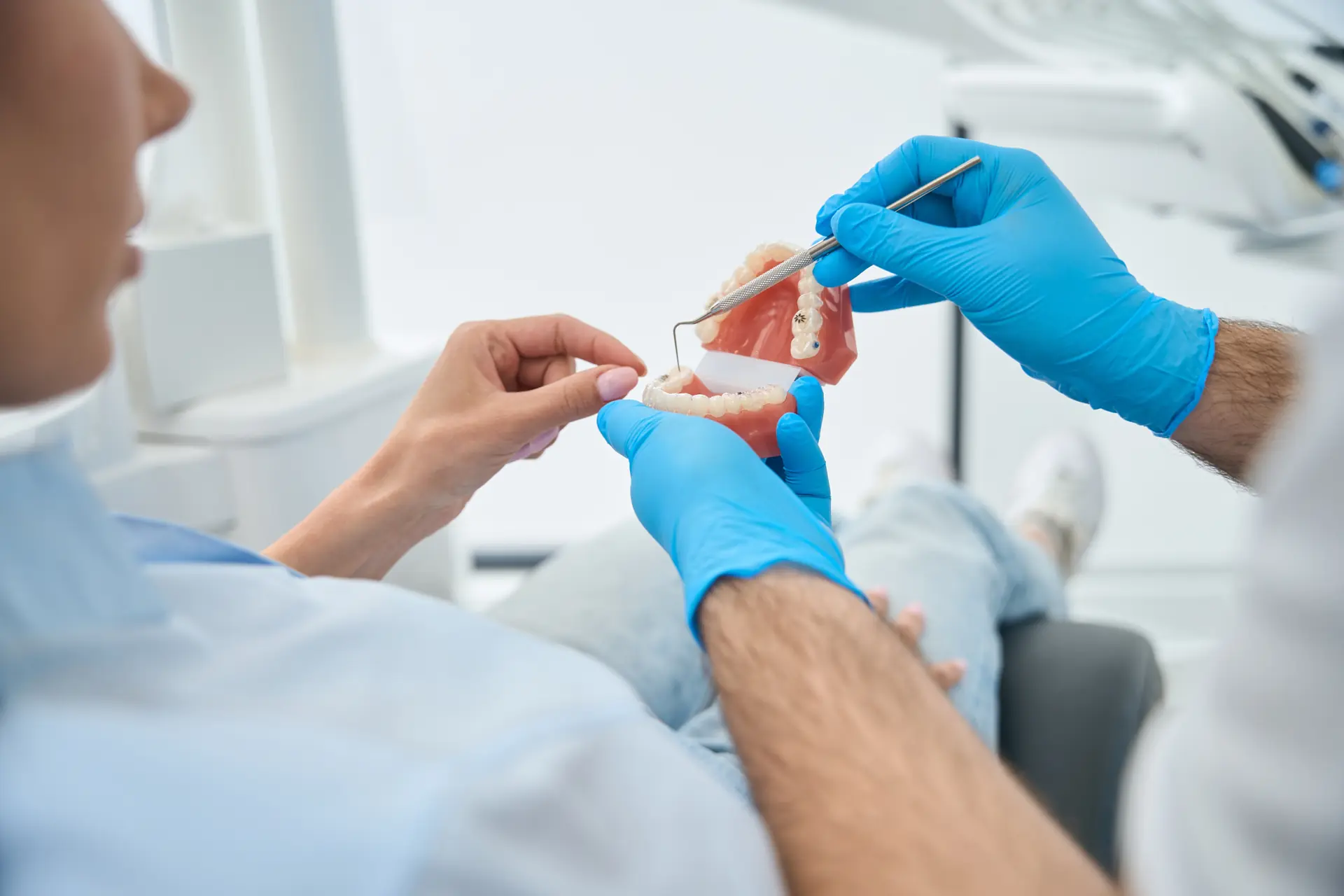
Choosing the right dental bridge begins with a complete dental evaluation. At Cascade Dental, we look at the number of missing teeth, the size of the gap, the condition of nearby teeth, your gum health, your bite, your preferences, and your long-term goals.
Factors that may affect your recommendation include:
- The number of teeth missing
- The location and size of the gap
- The condition of the teeth next to the gap
- The health of your gums and supporting bone
- Whether you want a non-surgical or implant-supported option
- Your budget and insurance coverage
- Your cosmetic expectations
- Your long-term maintenance needs
Cascade Dental’s service page lists similar factors, including the number of missing teeth, gap size, condition of surrounding teeth, personal preferences, and overall gum and tooth health.
The buyer guide also recommends considering candidacy, treatment goals, bridge type, material, cost, provider experience, and follow-up care when selecting a bridge.
Dental Bridges vs. Dental Implants
Dental bridges and dental implants can both replace missing teeth, but they work differently.
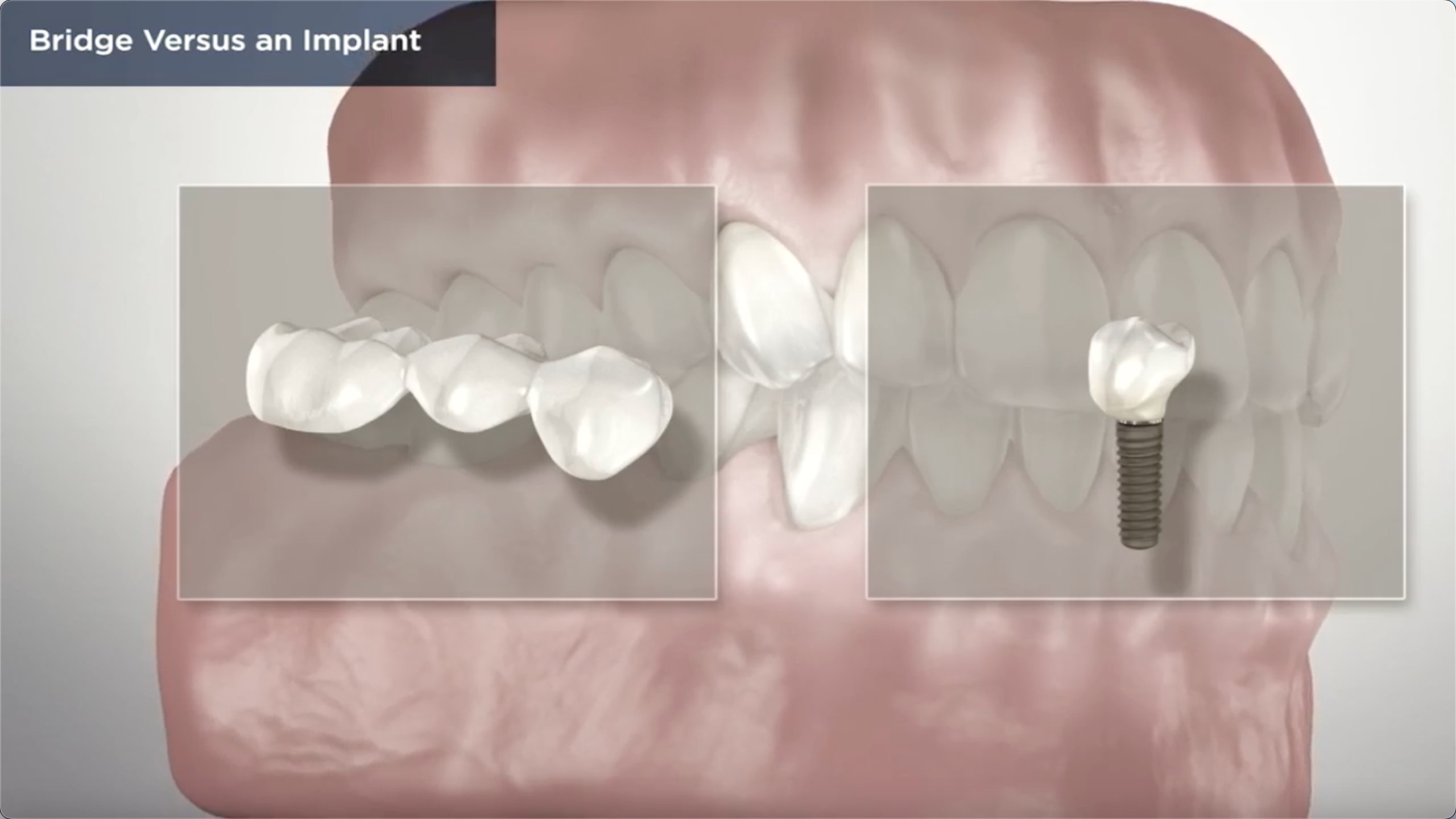
A dental bridge replaces a missing tooth by anchoring a pontic to nearby teeth or implants. A traditional bridge can often be completed without surgery, which makes it appealing for patients who want a fixed tooth replacement but do not want implant placement.
A dental implant replaces the tooth root with a titanium post placed in the jawbone. After healing, a crown, bridge, or denture can be attached to the implant. Implants can help preserve jawbone and avoid reshaping nearby teeth, but they require surgery and a longer treatment timeline.
For some patients, a bridge is the more practical option. For others, implants may offer the strongest long-term solution. During your consultation, Cascade Dental can help you compare both choices based on your health, timeline, goals, and budget.
Dental Bridges vs. Dental Crowns
Dental bridges and crowns are related, but they are used for different reasons.
A dental crown covers and protects a damaged or weakened tooth. A dental bridge replaces a missing tooth or teeth. In a traditional bridge, crowns are placed on the supporting teeth to hold the replacement tooth in place.
Cascade Dental’s service page explains that choosing between a bridge and a crown depends on your needs, budget, and lifestyle.
If your natural tooth is still present but damaged, a crown may be recommended. If the tooth is missing, a bridge may be recommended to fill the gap.
Caring for Your Dental Bridge
A bridge can last well over a decade — or fall short of that — depending mostly on how it’s maintained. These habits make the difference.
Clean under the pontic daily
Plaque builds up under the replacement tooth where a regular toothbrush can’t reach. A floss threader, water flosser, or interdental brush gets beneath the bridge and around the abutment crowns.
Brush the crowns thoroughly
The supporting crowns are vulnerable at the gumline. Angle your brush to clean along the margin where crown meets gum — that’s where decay and gum disease begin if neglected.
Avoid hard or sticky foods
Ice, hard candies, and sticky foods like caramel place stress on the bridge. These habits won’t necessarily break it immediately, but they shorten its lifespan over time.
Keep up with checkups
Every visit lets us check the fit, look for early signs of decay at the abutment margins, and monitor gum health around the bridge. Small issues caught early are straightforward to fix.
Address bruxism if present
Grinding or clenching teeth at night dramatically accelerates wear on a bridge. If you grind, ask us about a night guard — it’s a small investment that protects a much larger one.
Tell us immediately if something feels off
A bridge that feels loose, high, or uncomfortable is telling you something. Don’t wait for your next scheduled cleaning — call us so we can evaluate it before a minor issue becomes a bigger repair.
Why Cascade Dental
Vancouver's Trusted Choice for Dental Bridges
Four experienced dentists on staff
Dr. Wilson, Dr. Himsworth, Dr. Stagg, and Dr. Reller bring specialized expertise across restorative, cosmetic, and preventive dentistry.
Digital impressions for precision fit
We use digital scanning technology in place of traditional impressions — more accurate, faster, and more comfortable for the patient.
Custom-matched to your smile
Every bridge is designed to match the shape, size, and color of your surrounding teeth. The goal is a result your friends can’t spot.
Transparent planning from day one
We walk through options, costs, and timelines before any treatment begins — and we help you understand your insurance coverage.
Continuity of care
The same team places your bridge and monitors it at every future appointment. No referrals, no hand-offs, no starting over with someone new.
What Patients Say
Trusted by Families Across Vancouver, WA
4.9 ★★★★★
200+ patient reviews
“Trina is the best hygienist I’ve ever had and I’m verging on being antique with over 65 years of dental offices experience. And, Dr Wilson is so nice! He’s an artist when it comes to making crowns. Today he told me my over 55 yr old discolored bridge in front can be replaced!! I am so excited to soon not be embarrassed by it’s discoloration!!”
★★★★★ S Dawn Pearson
“I broke my front teeth when I was a child and have been wearing temporaries for decades.
I’ve been wanting to have them repaired for years so when a friend highly recommended Dr. Wilson, I jumped on the opportunity.
I’m so happy with the results. Dr. Wilson replaced the temporaries with a bridge that is perfectly matched with my other teeth. He and his staff explained everything throughout the process so there were no surprises. They made the entire process painless and as relaxing as possible. Thank you Dr. Wilson and Cascade Dental!”
★★★★★ Tim Pate
“Dr. Hemsworth started a temporary bridge where a tooth had been pulled. His rule is: If you are having any discomfort, he will fix it. He gave me pillows for my back and neck. He used a tiny needle and administered pain medication so gently… no discomfort at all! He offered breaks to rest my jaw and stand up during the 3 hour procedure. Recommend him highly without any reservations.”
★★★★★ Laura Riggs
Where We Serve
Dental Bridges for Patients Across the Vancouver, WA Region
Located at 16703 SE McGillivray Blvd in Vancouver, we see patients from throughout Clark County and the Portland metro area. If you’re missing a tooth and looking for a trusted restorative dentist nearby, we’re easy to reach Monday through Friday starting at 7 AM.
- Vancouver, WA
- Camas
- Washougal
- Orchards
- Hazel Dell
- Fisher’s Landing
- Felida
- Mill Plain
- Salmon Creek
- Walnut Grove
- Battle Ground
- Ridgefield
- Portland, OR
- NE Portland
- St. Johns, OR
- Fairview, OR
Frequently Asked Questions
Dental Bridges FAQs
What are dental bridges made of?
Dental bridges may be made from porcelain, ceramic, metal, or a combination of materials. Porcelain is often chosen because it can closely match the color and appearance of natural teeth.
Who is a good candidate for a dental bridge?
You may be a candidate if you are missing one or more teeth and have healthy supporting teeth, gums, and bone structure. If the adjacent teeth are damaged or decayed, they may need treatment before a bridge can be placed. Cascade Dental’s service page notes that adjacent teeth must be in good condition and that gum health matters for bridge support.
What are the different types of dental bridges?
The main types include traditional fixed bridges, cantilever bridges, Maryland bridges, and implant-supported bridges. Each option has different benefits and considerations based on the location of the missing tooth, the condition of nearby teeth, and your overall oral health.
Do dental bridges look natural?
Yes, dental bridges can look very natural when they are properly designed and fitted. The size, shape, and color of the replacement tooth can be matched to your surrounding teeth for a smooth appearance. Cascade Dental’s service page notes that bridges can look good when constructed properly and planned around the patient’s smile.
Do dental bridges hurt?
The dental bridge procedure is typically comfortable with local anesthesia. You may feel mild discomfort or pressure during fitting or after preparation, but this is usually manageable. Cascade Dental’s service page describes the procedure as minimally invasive and notes that local anesthetic is used to help keep patients comfortable.
How long do dental bridges last?
Dental bridges can last many years with proper care. Some bridges may last 5 to 15 years or longer depending on oral hygiene, bite forces, material, diet, and regular dental checkups. Cascade Dental’s service page notes that bridges can last 5 to 15 years or longer with proper maintenance.
Is a dental bridge better than an implant?
It depends on your needs. A bridge may be better if you want a fixed option without implant surgery or if nearby teeth already need crowns. An implant may be better if you want to avoid altering adjacent teeth and have enough bone support for implant placement. Cascade Dental can help compare both options during your consultation.
Is a dental bridge better than a partial denture?
A bridge is fixed in place, while a partial denture is removable. Many patients prefer bridges because they feel more stable and natural. However, partial dentures may be more appropriate when several teeth are missing or when surrounding teeth cannot support a bridge.
Does dental insurance cover bridges?
Many dental insurance plans provide some coverage for bridges, but coverage depends on your plan, deductible, annual maximum, and whether your provider is in-network. Cascade Dental’s service page notes that many plans may cover bridge procedures, with coverage depending on the type of plan and provider network.
How do I clean under a dental bridge?
You can clean under a bridge using a floss threader, interdental brush, or water flosser. Cleaning under the pontic is important because plaque and food particles can collect there.
Can I eat normally with a dental bridge?
Yes, once your bridge is fully adjusted and comfortable, you should be able to chew more normally. It is still best to avoid extremely hard or sticky foods that could damage the bridge or supporting teeth.
Get a Smooth, Complete Smile With Dental Bridges
If missing teeth are affecting your smile, bite, or confidence, Cascade Dental can help you explore your options. A custom dental bridge can replace missing teeth, restore chewing ability, support clearer speech, and give your smile a complete, natural-looking appearance.
Schedule your dental bridge consultation today and take the next step toward a healthier, more confident smile.
our service areas
washington
- Dental Bridges in Fisher’s Landing East, WA
- Dental Bridges in Cascade Park West, WA
- Dental Bridges in Burnt Bridge Creek, WA
- Dental Bridges in North Image, WA
- Dental Bridges in Walnut Grove, WA
- Dental Bridges in Washougal, WA
- Dental Bridges in Vancouver, WA
- Dental Bridges in Orchards, WA
- Dental Bridges in Minnehaha, WA
- Dental Bridges in Mill Plain, WA
- Dental Bridges in Hazel Dell, WA
- Dental Bridges in Fisher’s Landing, WA
- Dental Bridges in Felida, WA
- Dental Bridges in Camas WA

Clear Aligner Treatment
A Modern Way to Straighten Teeth Without Metal Braces
SureSmile Clear Aligners are transparent, custom-made trays that gently move your teeth over time. They are designed for patients who want orthodontic improvement without the visibility, food restrictions, and cleaning challenges that often come with traditional braces.
Because the aligners are removable, they give you more flexibility in daily life. You can eat the foods you enjoy, brush and floss normally, and attend work, school, meetings, photos, and social events without feeling like your treatment is the first thing people notice.
Clear aligners are not just about appearance. Straighter teeth can also be easier to clean, which may support better gum health and reduce areas where plaque can build up. A more balanced bite may also improve the way your teeth come together, depending on your case.
At Cascade Dental, SureSmile treatment is planned with both aesthetics and function in mind. We want your smile to look natural, but we also want it to feel comfortable and stable.