Emergency Dental Care for Dental Injuries in Vancouver, WA
Fast Treatment for Chipped, Broken, Knocked-Out, or Painful Teeth
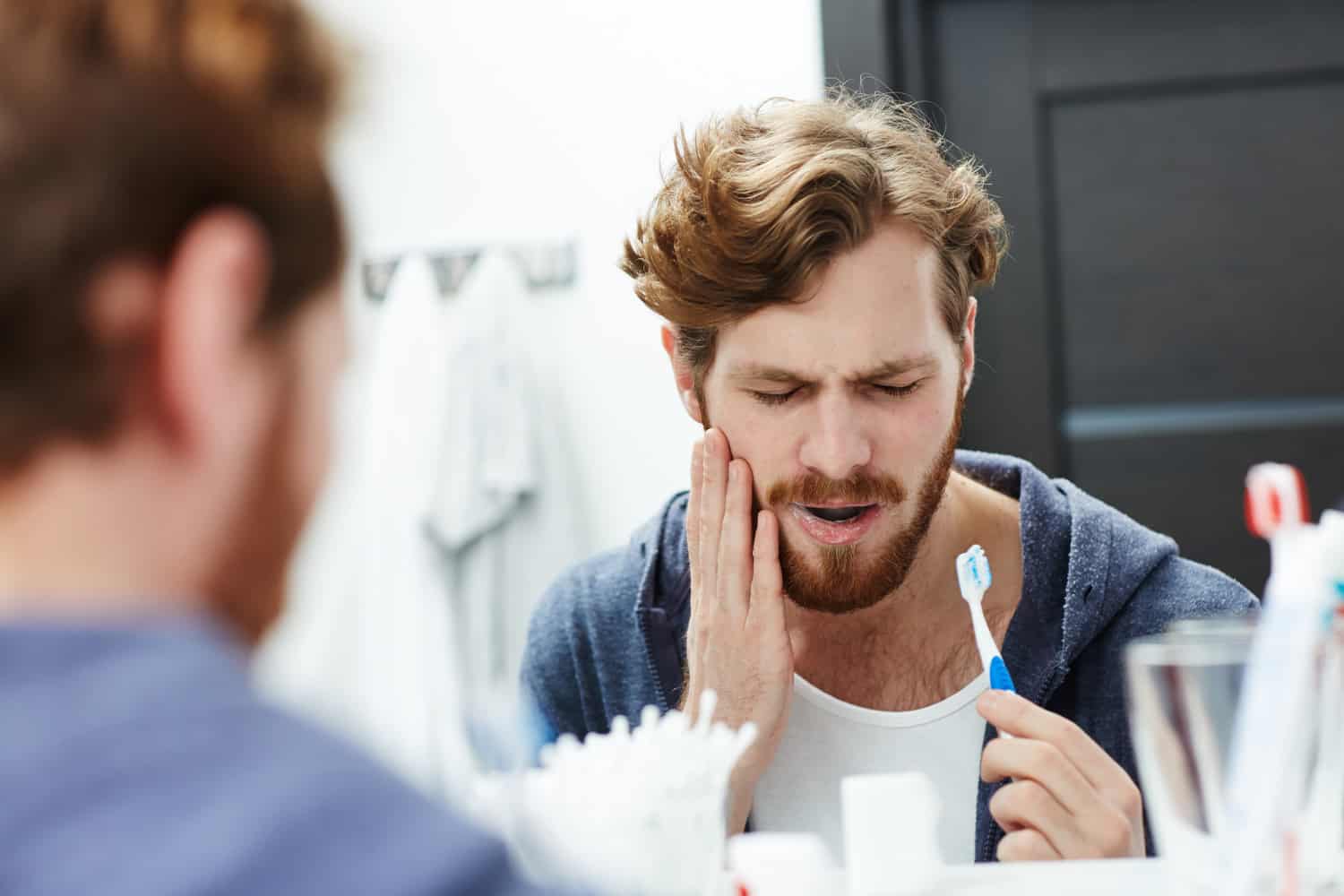
A dental injury can happen in an instant. A fall, sports accident, car accident, hard bite, or unexpected impact can leave you with a chipped tooth, broken tooth, knocked-out tooth, loose tooth, severe pain, or bleeding gums. When this happens, fast dental care can make a major difference in saving the tooth, relieving pain, and preventing long-term damage.
At Cascade Dental, we provide emergency dental care in Vancouver, WA for dental injuries, tooth pain, broken teeth, knocked-out teeth, dental infections, lost fillings, cracked crowns, and other urgent oral health problems. Our team is ready to help you get relief quickly, understand the extent of the injury, and receive the right treatment to restore your smile.
Dental injuries should never be ignored. Even if the damage looks small, the tooth may have hidden cracks, nerve damage, root trauma, or infection risk. Prompt evaluation allows us to protect your oral health before the problem becomes more painful or complicated.
If you or a family member has experienced a dental injury, call Cascade Dental right away for urgent care.
What Is a Dental Injury?
A dental injury refers to any trauma or damage affecting the teeth, gums, jaw, lips, tongue, or surrounding oral tissues. Some injuries are obvious, such as a knocked-out tooth or a visibly broken tooth. Others are more subtle, such as a small crack, tooth sensitivity, or pain when biting.
Dental injuries can involve:
- Chipped teeth
- Cracked teeth
- Broken teeth
- Knocked-out teeth
- Loose or displaced teeth
- Tooth root injuries
- Soft tissue cuts
- Jaw pain or trauma
- Damage to dental fillings, crowns, bridges, or veneers
The severity of a dental injury can vary, but even minor trauma should be checked by a dentist. A small chip may be cosmetic, but a crack that reaches deeper into the tooth can expose the nerve and increase the risk of infection.
When Is a Dental Injury an Emergency?
Not every minor chip requires immediate care, but many dental injuries should be treated as urgent. You should call Cascade Dental right away if you experience:
- A knocked-out permanent tooth
- A loose adult tooth
- Severe tooth pain after an injury
- A cracked, broken, or fractured tooth
- Bleeding that does not stop
- Swelling in the gums, jaw, or face
- Pain when biting or chewing
- A tooth pushed out of position
- A lost filling or crown causing pain
- Signs of infection, such as pus, fever, or a bad taste
- Injury to the lips, tongue, cheeks, or gums
- Jaw pain after an accident
If you have severe facial trauma, uncontrolled bleeding, difficulty breathing, trouble swallowing, or a suspected broken jaw, seek emergency medical care immediately.
Common Causes of Dental Injuries
Dental injuries can happen to anyone, but certain activities and habits increase the risk.
Sports Injuries
Contact sports such as football, basketball, soccer, hockey, and martial arts can lead to chipped, cracked, or knocked-out teeth. Wearing a custom mouthguard can greatly reduce the risk of dental trauma.
Falls and Accidents
Slips, falls, bike accidents, playground injuries, and car accidents can cause tooth fractures, gum injuries, jaw pain, or tooth displacement.
Biting Hard Foods or Objects
Teeth can crack or chip when biting hard candy, ice, popcorn kernels, bones, pens, fingernails, or other hard objects.
Teeth Grinding or Clenching
Chronic grinding can weaken teeth over time. This makes them more likely to crack, chip, or fracture under pressure.
Untreated Tooth Decay
A tooth weakened by decay may break more easily. Sometimes a dental injury reveals a larger underlying problem, such as a cavity or infection.
Old or Damaged Dental Work
Fillings, crowns, veneers, or bridges can become loose, cracked, or damaged. When this happens, the tooth underneath may be exposed and more vulnerable to sensitivity, decay, or infection.
Types of Dental Injuries We Treat
Cascade Dental provides emergency dental treatment for many types of tooth and mouth injuries.
Chipped Teeth
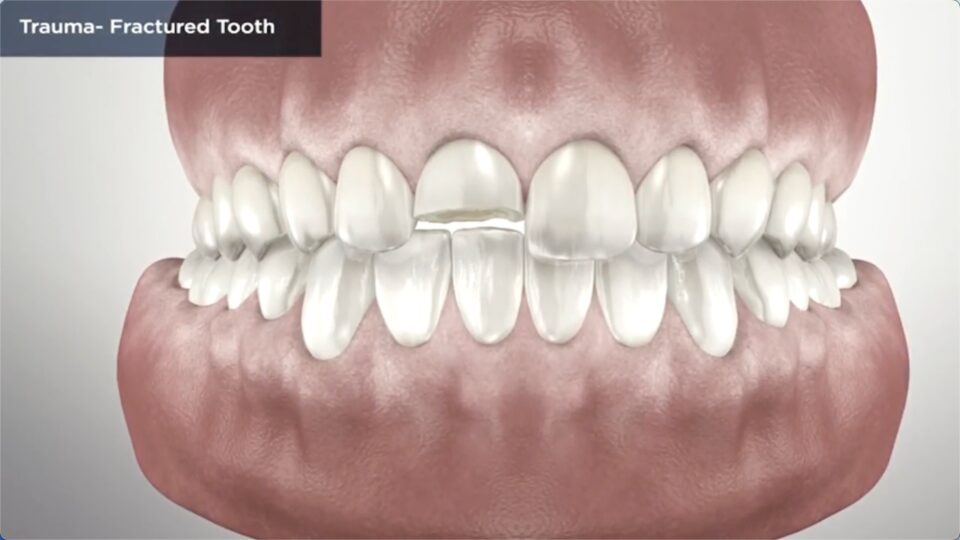
A chipped tooth may seem minor, but it can affect your appearance, comfort, and tooth strength. Small chips may be repaired with dental bonding, while larger chips may require a crown or veneer.
Cracked Teeth
A cracked tooth can be painful, especially when chewing or drinking hot or cold beverages. Some cracks are visible, while others are hidden below the gumline. Treatment depends on the depth and location of the crack.
Broken Teeth
A broken tooth may expose the inner layers of the tooth, causing pain and sensitivity. Depending on the damage, treatment may include a filling, crown, root canal, or extraction.

Knocked-Out Teeth
A knocked-out permanent tooth is a serious dental emergency. The sooner you receive care, the better the chance of saving the tooth. If your tooth is knocked out, pick it up by the crown, avoid touching the root, keep it moist in milk or a tooth preservation solution, and call Cascade Dental immediately.
Loose or Displaced Teeth
If an adult tooth becomes loose or is pushed out of position after an injury, emergency dental care is needed. Do not try to force the tooth back into place. Contact our office as soon as possible.
Soft Tissue Injuries
Cuts to the lips, gums, cheeks, or tongue can happen during dental trauma. We can evaluate the area, control bleeding, and determine whether additional care is needed.
Lost Fillings or Crowns
A lost filling or crown can leave the tooth exposed. This may cause sensitivity, pain, or increased risk of decay. Emergency care can help protect the tooth and restore comfort.
Jaw Pain After Dental Trauma
Jaw pain after an accident may indicate muscle strain, bite changes, joint injury, or more serious trauma. A dental evaluation can help identify whether the teeth or bite were affected.
What to Do After a Dental Injury
Knowing what to do immediately after a dental injury can help protect your tooth and reduce complications.
If a Tooth Is Knocked Out
Pick up the tooth by the crown, not the root. If it is dirty, gently rinse it with milk or saline. Do not scrub it. Try to place it back into the socket if possible, but only if it fits easily. If not, store it in milk or a tooth preservation kit and call Cascade Dental immediately.
Time is critical with knocked-out teeth. Getting care quickly improves the chance of saving the tooth.
If a Tooth Is Chipped or Broken
Rinse your mouth with warm water. Save any broken pieces if you can. Apply a cold compress to reduce swelling. Avoid chewing on the injured side. Call Cascade Dental to schedule urgent care.
If a Tooth Is Loose or Moved
Do not wiggle the tooth or force it back into place. Gently bite down on gauze if needed to keep it stable. Contact our office as soon as possible.
If You Have Bleeding
Rinse gently and apply clean gauze with light pressure. If bleeding does not stop or is heavy, seek urgent medical care.
If You Have Swelling or Pain
Use a cold compress on the outside of your cheek. Avoid heat. You may take over-the-counter pain relief as directed, but do not place aspirin directly on the tooth or gums because it can irritate the tissue.
Why Fast Treatment Matters
Dental injuries can worsen when treatment is delayed. A cracked or broken tooth may allow bacteria to enter the inner tooth, leading to infection or abscess. A loose tooth may become harder to stabilize. A knocked-out tooth may be less likely to survive if it is not treated quickly.
Prompt emergency dental care can help:
- Save a damaged or knocked-out tooth
- Reduce pain and swelling
- Prevent infection
- Protect the tooth nerve
- Restore chewing function
- Repair cosmetic damage
- Prevent further cracking or breakage
- Lower the risk of more complex treatment later
Even if your pain improves after the injury, the tooth may still need evaluation. Dental trauma can cause hidden damage that may not be obvious right away.
Emergency Dental Care at Cascade Dental
Cascade Dental provides emergency dentistry in Vancouver, WA for urgent dental problems that need fast attention. Our team can help with severe toothaches, broken teeth, knocked-out teeth, infections, abscesses, lost fillings, damaged crowns, and dental injuries. Cascade Dental also highlights same-day emergency appointments and emergency care for broken teeth, tooth pain, and infections. (Cascade Dental)
When you visit us for a dental injury, we focus on three priorities: relieving your pain, diagnosing the damage, and restoring your oral health. We will examine the injured area, take digital X-rays if needed, explain your treatment options, and help you decide the best next step.
How We Diagnose Dental Injuries
A dental injury evaluation may include:
- A visual exam of the tooth, gums, and soft tissues
- Digital X-rays to check roots, bone, and hidden fractures
- Bite testing to identify pain or pressure issues
- Sensitivity testing to evaluate nerve involvement
- Assessment of swelling, bleeding, or infection
- Review of existing dental work, such as fillings or crowns
Some injuries are simple to repair, while others require more advanced care. A careful diagnosis helps us recommend the most effective treatment.
Treatment Options for Dental Injuries
The right treatment depends on the type and severity of the injury.
Dental Bonding
Dental bonding may be used to repair small chips, minor cracks, or cosmetic damage. Tooth-colored resin is shaped and polished to blend with your natural tooth.
Dental Fillings
If a tooth is damaged by decay or a small fracture, a filling may restore the tooth and protect it from further damage.
Dental Crowns
A crown may be recommended when a tooth has a larger break, deep crack, or significant structural weakness. A crown covers and protects the tooth while restoring its shape and function.
Root Canal Therapy
If an injury damages the tooth nerve or allows bacteria to reach the inner pulp, root canal therapy may be needed. This treatment removes infected or damaged tissue from inside the tooth and helps save the natural tooth.
Tooth Repositioning and Stabilization
If a tooth has been pushed out of position or loosened, it may need to be repositioned and stabilized with a dental splint while it heals.
Tooth Reimplantation
A knocked-out tooth may sometimes be placed back into the socket if care is received quickly enough. The tooth may then be stabilized and monitored.
Tooth Extraction
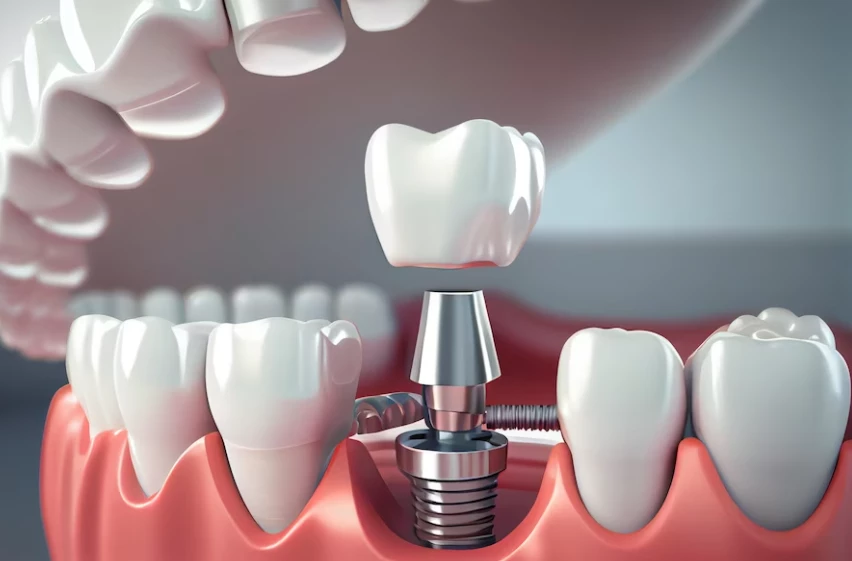
If a tooth is too badly damaged to save, extraction may be necessary to prevent pain, infection, or further complications. After extraction, tooth replacement options such as dental implants, bridges, or dentures may be discussed.
Repairing or Replacing Dental Restorations
If a crown, veneer, bridge, or filling is damaged during an injury, we can repair or replace it to restore protection and function.
Dental Injuries in Children
Children are especially prone to dental injuries from playground accidents, sports, falls, or rough play. If your child chips, breaks, loosens, or knocks out a tooth, contact Cascade Dental as soon as possible.
For baby teeth, do not try to place a knocked-out tooth back into the socket, as this could damage the developing permanent tooth. For permanent teeth, quick action is important. Keep the tooth moist and call for emergency dental care right away.
A pediatric dental injury should be evaluated even if your child seems fine. Damage to the tooth root, gums, or developing adult teeth may not be visible at first.
How to Prevent Dental Injuries
Not every dental injury can be prevented, but you can lower your risk with a few smart habits.
- Wear a mouthguard during sports or high-impact activities
- Avoid chewing ice, hard candy, pens, or fingernails
- Do not use your teeth to open packages
- Treat cavities and weakened teeth early
- Wear a nightguard if you grind or clench your teeth
- Keep up with routine dental exams and cleanings
- Replace worn or damaged dental restorations
- Use seatbelts and protective gear when needed
Routine dental visits are also important because they help identify weak, cracked, or decayed teeth before they become emergencies.
Cost of Emergency Dental Injury Treatment
The cost of treating a dental injury depends on the type of injury and the treatment needed. A small chip may require a simple bonding treatment, while a broken or infected tooth may need a crown, root canal, or extraction.
Cascade Dental provides clear treatment recommendations and cost estimates before care begins. The office works with most major dental insurance plans and offers flexible payment options for patients without insurance.
If you are in pain or dealing with a dental injury, do not delay care because you are unsure about cost. Treating the issue early may help prevent more complex and expensive problems later.
Why Choose Cascade Dental in Vancouver WA for Emergency Dental Injuries?
When you are dealing with dental pain or trauma, you need a dental team that responds quickly and treats you with care. Cascade Dental is a trusted dental office in Vancouver, WA offering general dentistry, cosmetic dentistry, dental implants, and emergency dental care. The practice also emphasizes same-day emergency visits, modern dental technology, flexible payment options, and patient-focused care.
Patients choose Cascade Dental for dental injury treatment because we offer:
- Emergency dental care for broken, chipped, loose, or knocked-out teeth
- Same-day emergency appointments whenever possible
- Treatment for toothaches, infections, damaged crowns, and lost fillings
- Digital imaging for accurate diagnosis
- Restorative options to repair damaged teeth
- Compassionate care in a comfortable environment
- Clear explanations and personalized treatment planning
- Convenient care for patients in Vancouver, WA and nearby communities
Our goal is to relieve your pain, restore your smile, and help you feel confident about your care.
FAQs About Dental Injuries and Emergency Dental Care
What should I do if I chip a tooth?
Rinse your mouth with warm water, save any pieces if possible, and avoid chewing on that side. Call Cascade Dental for an appointment. Even small chips should be evaluated to make sure the tooth is not cracked or weakened.
What should I do if I break a tooth?
Call Cascade Dental as soon as possible. A broken tooth can expose the inner layers of the tooth and may lead to pain, sensitivity, or infection. Treatment may include bonding, a filling, a crown, root canal therapy, or extraction depending on the severity.
What should I do if my tooth is knocked out?
Pick up the tooth by the crown, avoid touching the root, and keep it moist in milk or a tooth preservation solution. Call Cascade Dental immediately. Fast treatment gives the tooth the best chance of being saved.
Can a knocked-out tooth be saved?
Sometimes, yes. A knocked-out permanent tooth has the best chance of being saved when treated quickly. Time matters, so call for emergency dental care right away.
Is a loose adult tooth a dental emergency?
Yes. A loose adult tooth after trauma should be evaluated immediately. The tooth may need to be stabilized to improve the chance of healing.
Should I go to the dentist if my tooth injury does not hurt?
Yes. Some dental injuries do not cause immediate pain but may still involve cracks, root damage, nerve injury, or future infection risk. A dental exam and X-rays can reveal hidden damage.
What are the signs that a dental injury is serious?
Severe pain, swelling, bleeding, a knocked-out tooth, a loose tooth, a visibly broken tooth, pus, fever, or difficulty biting are signs that you should seek urgent dental care.
Can a cracked tooth heal on its own?
No. A cracked tooth will not heal by itself. Treatment is needed to protect the tooth, prevent the crack from spreading, and reduce the risk of infection.
Can dental injuries lead to infection?
Yes. A chip, crack, or break can allow bacteria to enter the tooth. If the inner pulp becomes infected, you may need root canal therapy or another emergency treatment.
How are dental injuries diagnosed?
Dental injuries are diagnosed through a dental exam, X-rays, bite testing, and evaluation of symptoms such as pain, sensitivity, swelling, or bleeding.
What treatments are available for dental injuries?
Treatment may include bonding, fillings, crowns, veneers, root canal therapy, tooth stabilization, reimplantation, extraction, or restoration replacement.
How can I manage pain before my emergency appointment?
Use a cold compress, avoid chewing on the injured side, and take over-the-counter pain medication as directed. Do not place aspirin directly on the gums or tooth.
What if my crown or filling falls out after an injury?
Keep the crown or filling if you have it and call Cascade Dental. A missing restoration can leave the tooth exposed to sensitivity, decay, and further damage.
Can children receive emergency dental care for dental injuries?
Yes. Children should be seen promptly after dental trauma, especially if a tooth is chipped, broken, loose, or knocked out.
How can I prevent dental injuries?
Wear a mouthguard during sports, avoid chewing hard objects, treat cavities early, wear a nightguard if you grind your teeth, and keep up with routine dental checkups.
Call Cascade Dental for Emergency Dental Injury Care in Vancouver, WA
A dental injury can be painful, stressful, and frightening, but quick care can help protect your smile. Whether you have a chipped tooth, broken tooth, knocked-out tooth, loose tooth, damaged crown, or severe dental pain, Cascade Dental is here to help.
Our emergency dental team in Vancouver, WA provides prompt, compassionate care for dental injuries and urgent oral health problems. We will evaluate the damage, relieve your discomfort, and recommend the right treatment to restore your smile.
Call Cascade Dental at (360) 892-2994 or schedule an emergency dental appointment online today.
chipped tooth
fractured tooth
horizontal root fracture
complicated fracture
tooth knocked out
cracked tooth
our service areas
washington
- Emergency Dentistry in Fisher’s Landing East, WA
- Emergency Dentistry in Cascade Park West, WA
- Emergency Dentistry in Burnt Bridge Creek, WA
- Emergency Dentistry in North Image, WA
- Emergency Dentistry in Walnut Grove, WA
- Emergency Dentistry in Washougal, WA
- Emergency Dentistry in Vancouver, WA
- Emergency Dentistry in Orchards, WA
- Emergency Dentistry in Minnehaha, WA
- Emergency Dentistry in Mill Plain, WA
- Emergency Dentistry in Hazel Dell, WA
- Emergency Dentistry in Fisher’s Landing, WA
- Emergency Dentistry in Felida, WA
- Emergency Dentistry in Camas WA