Wisdom Teeth Removal & Oral Surgery in Vancouver, WA
Comfortable Wisdom Teeth Removal With Sedation Options For Impacted or Painful Teeth
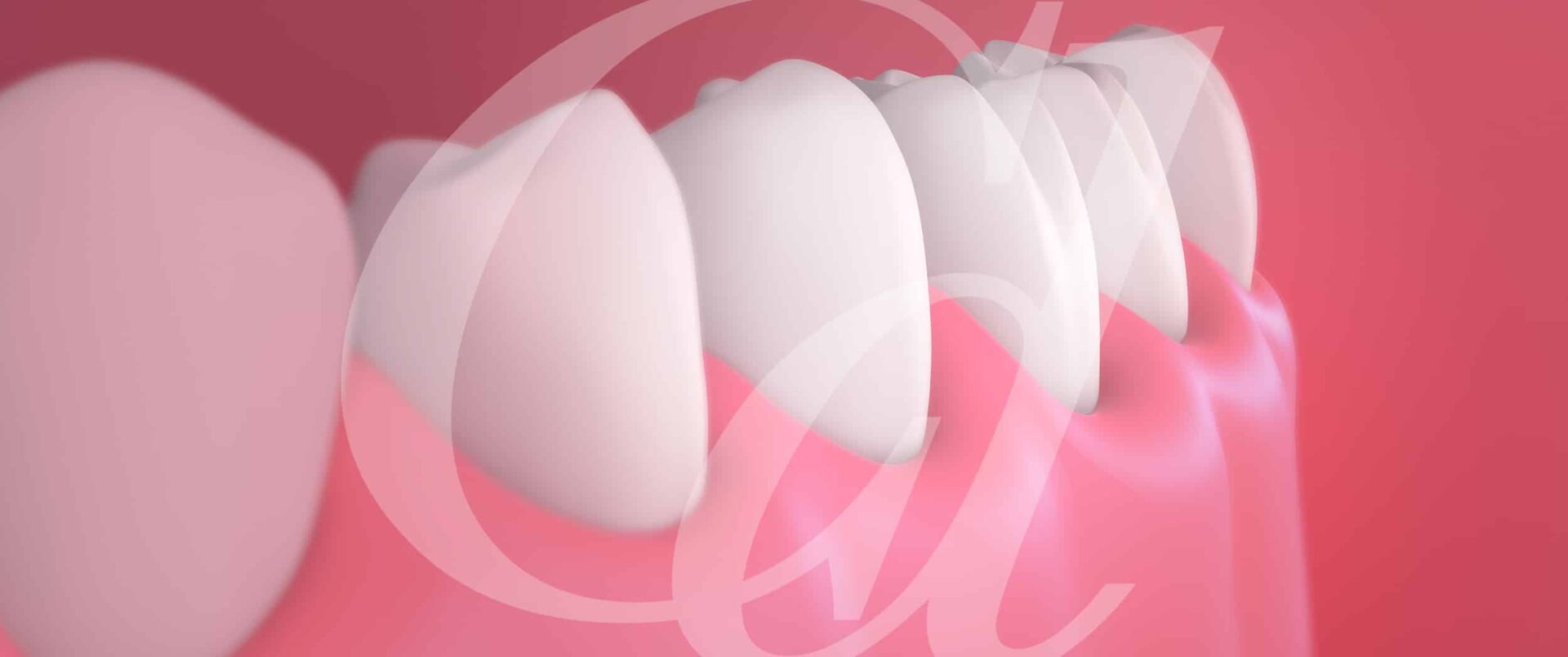
Impacted teeth can cause pain, swelling, infection, crowding, and other oral health problems when they don’t have enough room to grow properly. Wisdom teeth are the most common impacted teeth because they are the last to emerge and often become trapped under the gums or bone.
At Cascade Dental, we provide gentle wisdom teeth removal and impacted tooth treatment in Vancouver, WA. Using careful exams, digital X-rays, advanced techniques, and compassionate care, our team helps make treatment as smooth and comfortable as possible.
Impacted teeth usually do not resolve on their own. Early treatment can help prevent infection, damage to nearby teeth, gum disease, cysts, and alignment issues while protecting your long-term oral health.
What Does It Mean to Have an Impacted Tooth?
A tooth is impacted when it cannot fully grow into its proper position. This often happens when there isn’t enough jaw space or when gum tissue, bone, or another tooth blocks its path. Some impacted teeth stay hidden under the gums, while others partially emerge. Partially impacted teeth can trap food and bacteria, increasing the risk of infection, cavities, gum irritation, and bad breath.
Why Wisdom Teeth Often Become Impacted
Wisdom teeth are the last molars to appear, usually in the late teens or early adulthood. By then, the mouth may not have enough room for them to come in properly. As a result, wisdom teeth may grow at an angle, press against nearby teeth, stay trapped under the gums, or only partially erupt. Even without pain, impacted wisdom teeth can cause hidden problems, making routine exams and X-rays important.
Common Causes of Impacted Teeth
Impacted teeth may develop for several reasons. Understanding the cause helps determine the best treatment option.
-
Inadequate Jaw Space
A lack of space is one of the most common reasons teeth become impacted. If the jaw does not have enough room for a tooth to emerge, the tooth may remain trapped or grow at an angle.
-
Obstacles in the Tooth’s Path
Other teeth, dense bone, or thick gum tissue can block a tooth from moving into the correct position. This can prevent the tooth from erupting naturally.
-
Genetic Predisposition
Some patients are more likely to develop impacted teeth because of inherited jaw size, tooth size, or growth patterns.
-
Developmental Issues
Problems during tooth development can affect the way a tooth forms, moves, or erupts. This may lead to impaction, especially with wisdom teeth, canines, or premolars.
-
Crowding or Misalignment
If the mouth is already crowded, there may not be enough space for new teeth to come in correctly. Angled wisdom teeth may also push against surrounding teeth and affect bite alignment.

Signs You May Have an Impacted Tooth
Not every impacted tooth causes symptoms right away. However, when symptoms do appear, they should not be ignored. Common signs of an impacted tooth include:
- Pain or pressure in the back of the mouth
- Swollen, red, or tender gums
- Jaw pain or stiffness
- Difficulty opening your mouth
- Bad breath
- A bad taste in the mouth
- Pain when chewing
- Swelling around the jaw
- Headaches or facial discomfort
- Infection around the impacted tooth
- Crowding or shifting teeth
- Gum irritation behind the back molars
Impacted wisdom teeth can become painful when they press on adjacent teeth, develop decay, or become infected. If you notice swelling, severe pain, pus, fever, or difficulty opening your mouth, schedule dental care as soon as possible.
Can Impacted Teeth Cause Other Dental Problems?
Yes. Impacted teeth can lead to several complications, especially when they are left untreated. These may include:
- Infection around the impacted tooth
- Damage to nearby teeth
- Tooth decay in hard-to-clean areas
- Gum disease
- Cysts or tumors that can damage the jaw or nerves
- Bone loss around the affected area
- Chronic pain or pressure
- Crowding and alignment issues
- Difficulty chewing or cleaning the back teeth
Some patients can keep their wisdom teeth without problems. However, impacted or poorly positioned wisdom teeth can increase the risk of long-term oral health issues. For many patients, removal is the safest way to protect the smile.
When Wisdom Teeth Removal May Be Recommended
Not everyone needs their wisdom teeth removed. However, removal may be recommended if your wisdom teeth are impacted, painful, infected, difficult to clean, or likely to cause future problems.
Cascade Dental may recommend wisdom teeth removal if you have:
- Wisdom teeth trapped under the gums or bone
- Pain, swelling, or infection
- Crowding or pressure against nearby teeth
- Cavities or gum disease around wisdom teeth
- Cysts or other complications near impacted teeth
- Damage to neighboring teeth
- Limited room for proper wisdom tooth eruption
- Recurring irritation in the back of the mouth
Removing wisdom teeth early can help prevent more serious concerns and may save you from more complex treatment later.
Treatment Options for Impacted Teeth
The right treatment depends on which tooth is impacted, how it is positioned, whether symptoms are present, and whether the tooth can be guided into place.
Wisdom Teeth Removal
Wisdom teeth removal is one of the most common treatments for impacted teeth. If a wisdom tooth is trapped under the gums, growing at an angle, causing pain, or increasing your risk of infection, extraction may be recommended.
Tooth Extraction
For impacted teeth that cannot be safely or predictably moved into position, extraction may be the best option. This can help prevent infection, damage to nearby teeth, and ongoing discomfort.
Orthodontic Treatment
In some cases, orthodontic care can create space and guide an impacted tooth into better alignment. This approach may be more common for impacted canine teeth or premolars than wisdom teeth.
Surgical Exposure
For certain impacted teeth, a dentist or oral surgeon may expose the tooth so orthodontic treatment can help guide it into the correct position. This is typically considered when preserving the tooth is beneficial for function and appearance.
Our Wisdom Teeth Removal Process
Cascade Dental provides wisdom teeth removal in Vancouver, WA with a focus on comfort, safety, and clear communication. The process is straightforward and often takes less than an hour, depending on the number and position of the teeth.
Step 1: Consultation and X-Rays
Your visit begins with an exam and X-rays to evaluate the position and root structure of your wisdom teeth. We will review your symptoms, discuss whether removal is recommended, and create a personalized treatment plan.
This is also when we review sedation options to help you feel relaxed and comfortable during treatment.
Step 2: Sedation and Numbing
On the day of your procedure, we use local anesthesia, oral sedation, or general anesthesia depending on your needs and the complexity of the extraction. Our goal is to keep you comfortable throughout the appointment.
Step 3: Gentle Extraction
Your dentist will carefully access the impacted or problematic tooth. If needed, a small incision may be made in the gum tissue. In some cases, the tooth is divided into smaller pieces so it can be removed more easily and gently.
Most wisdom teeth extractions take about 30 to 60 minutes.
Step 4: Closing and Healing
Once the tooth or teeth are removed, the site may be closed with dissolvable stitches. You will receive detailed aftercare instructions to support healing and reduce your risk of complications.
What to Expect After Wisdom Teeth Removal
It is normal to experience mild discomfort, swelling, light bleeding, or bruising after wisdom teeth removal. These symptoms are usually temporary and can be managed with the instructions provided by your dental team.
You may notice:
- Swelling during the first few days
- Mild to moderate soreness
- Light bleeding during the first 24 hours
- Jaw stiffness
- Bruising around the cheeks or jaw
- A need to eat soft foods while healing
Cascade Dental will provide step-by-step guidance so you know how to care for the extraction site, manage discomfort, and protect the healing blood clot.
Do’s and Don’ts for a Smooth Recovery
Following your aftercare instructions helps reduce discomfort and supports faster healing.
Do:
- Take prescribed medications as directed
- Apply ice packs to reduce swelling
- Eat soft foods such as mashed potatoes, soup, applesauce, yogurt, or smoothies with a spoon
- Keep your head elevated while resting
- Drink plenty of water
- Rinse gently with warm salt water after the first 24 hours
- Keep your follow-up appointment if one is recommended
Don’t:
- Do not smoke
- Do not use straws
- Do not spit forcefully
- Avoid hard, crunchy, spicy, or chewy foods
- Avoid strenuous exercise for 24 to 48 hours
- Do not touch the surgical site with your fingers or tongue
- Do not ignore worsening pain, swelling, fever, or heavy bleeding
Smoking, straws, and forceful spitting can dislodge the healing clot and increase the risk of dry socket.
Wisdom Teeth Recovery Timeline
Healing times vary from patient to patient, but many people recover within about a week.
Days 1 to 3
Swelling, mild discomfort, and light bleeding are common. Rest, use ice packs, take medication as directed, and eat soft foods.
Days 4 to 7
Pain and swelling usually begin to decrease. Continue gentle rinsing and avoid foods that may irritate the area.
Around Two Weeks
The gums are typically well on their way to healing, and most patients feel back to normal. Continue avoiding hard or chewy foods until the area is fully healed and your dentist clears you.
A follow-up visit may be scheduled to make sure your recovery is on track.
Is Surgery Always Necessary for Impacted Teeth?
Surgery is not always necessary, but it is often the most effective treatment for impacted wisdom teeth. The need for surgery depends on the tooth’s position, symptoms, and risk of complications.
For example, an impacted canine may sometimes be treated with orthodontics and surgical exposure, while an impacted wisdom tooth is more commonly removed. Cascade Dental will evaluate your specific situation and recommend the most appropriate option.
Risks and Complications of Impacted Tooth Surgery
Wisdom teeth removal and impacted tooth surgery are common procedures, and most patients heal without major complications. However, as with any dental procedure, there are some risks.
Possible risks may include:
- Infection
- Dry socket
- Post-operative bleeding
- Swelling or bruising
- Temporary numbness or nerve irritation
- Delayed healing
- Jaw stiffness
These complications are uncommon, and careful planning, proper aftercare, and follow-up care can reduce your risk.
Can Impacted Wisdom Teeth Be Left Untreated?
Some wisdom teeth can remain in place without causing problems. However, impacted wisdom teeth that are painful, infected, poorly positioned, or difficult to clean should not be ignored.
Leaving impacted wisdom teeth untreated can lead to infection, pain, damage to neighboring teeth, cysts, jawbone problems, tooth decay, gum disease, and crowding. Even if symptoms are mild now, problems may become more serious over time.
The safest approach is to have your wisdom teeth evaluated with an exam and X-rays so your dentist can help you decide whether monitoring or removal is best.
How to Help Prevent Problems from Impacted Teeth
You cannot always prevent teeth from becoming impacted, especially when jaw size, tooth position, or genetics are involved. However, regular dental checkups and X-rays can help identify potential issues early.
To protect your oral health:
- Visit the dentist regularly for exams and cleanings
- Have wisdom teeth monitored during the teen years and young adulthood
- Do not ignore pain, swelling, or gum irritation
- Keep the back teeth as clean as possible
- Address crowding or alignment concerns early
- Follow your dentist’s recommendations for preventive care
Early intervention can make treatment easier and help prevent pain or infection.
Why Choose Cascade Dental for Impacted Teeth and Wisdom Teeth Removal?
Cascade Dental provides comfortable, compassionate wisdom teeth removal and impacted tooth care in Vancouver, WA. Our team understands that oral surgery can feel intimidating, so we take time to explain your condition, answer your questions, and help you feel confident before treatment begins.
Patients choose Cascade Dental because we offer:
- Gentle wisdom teeth extraction
- Care for impacted, painful, or infected teeth
- Digital X-rays for accurate diagnosis and treatment planning
- Sedation options for patient comfort
- Clear aftercare instructions for a smoother recovery
- Modern techniques and compassionate care
- A convenient Vancouver, WA location
- Support for both preventive and problem-focused wisdom tooth removal
Our goal is to make treatment comfortable while protecting your long-term oral health.
Frequently Asked Questions
Which teeth are most commonly impacted?
Wisdom teeth are the most commonly impacted teeth. Canine teeth and premolars can also become impacted.
How can I tell if I have an impacted tooth?
Common signs include pain, swelling, bad breath, jaw stiffness, difficulty opening the mouth, gum tenderness, and infection around the affected tooth. Some impacted teeth do not cause symptoms and are found on dental X-rays.
Are impacted teeth painful?
They can be. Impacted teeth are more likely to cause pain when they become infected, press on nearby teeth, or create swelling around the gums.
Can impacted teeth cause other dental problems?
Yes. Impacted teeth can lead to infection, cavities, gum disease, cysts, damage to nearby teeth, bone problems, and alignment issues.
Can impacted teeth resolve on their own?
Impacted teeth usually do not resolve on their own. They often need monitoring, orthodontic treatment, surgical exposure, or extraction depending on the situation.
What are the risks of keeping impacted wisdom teeth?
Risks may include infection, cysts, decay, gum disease, chronic pain, pressure, crowding, and damage to nearby teeth or bone.
Can orthodontic treatment help with impacted teeth?
Yes. Orthodontic treatment can sometimes create space and help guide impacted teeth into proper alignment, especially with impacted canines or premolars.
Schedule Wisdom Teeth Removal in Vancouver, WA
Impacted teeth can cause pain, infection, crowding, and damage to nearby teeth if they are not treated. If your wisdom teeth are causing discomfort, or if your dentist has recommended removal, Cascade Dental can help you take the next step with confidence.
Our team provides comfortable wisdom teeth removal and impacted tooth care in Vancouver, WA using modern techniques, sedation options, and personalized aftercare guidance.
Call Cascade Dental at (360) 892-2994 or schedule your consultation online to protect your smile and move toward a healthier, pain-free mouth.
our service areas
washington
- Wisdom Teeth Removal in Fisher’s Landing East, WA
- Wisdom Teeth Removal in Cascade Park West, WA
- Wisdom Teeth Removal in Burnt Bridge Creek, WA
- Wisdom Teeth Removal in North Image, WA
- Wisdom Teeth Removal in Walnut Grove, WA
- Wisdom Teeth Removal in Washougal, WA
- Wisdom Teeth Removal in Vancouver, WA
- Wisdom Teeth Removal in Orchards, WA
- Wisdom Teeth Removal in Minnehaha, WA
- Wisdom Teeth Removal in Mill Plain, WA
- Wisdom Teeth Removal in Hazel Dell, WA
- Wisdom Teeth Removal in Fisher’s Landing, WA
- Wisdom Teeth Removal in Felida, WA
- Wisdom Teeth Removal in Camas WA