Worried that a tooth extraction is going to hurt? You’re not alone, it’s one of the most common concerns people have before visiting the dentist. The good news is that tooth extractions today are designed to be as comfortable and stress-free as possible.
Dentists use effective numbing techniques so you won’t feel pain during the procedure, just a bit of pressure. Afterward, some soreness is normal, but it’s usually manageable with simple care.
Understanding what actually happens during a tooth extraction can help take away the fear and replace it with confidence, so you can walk into your appointment feeling more relaxed and prepared.
How Badly Does a Tooth Extraction Hurt?
For most patients, a tooth extraction does not hurt as badly as they imagined. During the procedure, the dentist numbs the area with local anesthesia, so you should not feel sharp pain while the tooth is being removed.
What you feel during the extraction
The most common sensation during an extraction is pressure. You may feel pushing, pulling, or movement as the dentist loosens the tooth from the surrounding bone and ligaments. That can feel strange, but it is not the same as pain.
If the tooth is impacted or more difficult to remove, the procedure may take longer or involve additional steps, but the goal is still the same: keep you comfortable throughout the process.
What you feel after the numbness wears off
Most of the discomfort begins after the anesthesia starts to fade. At that point, it is normal to notice soreness, tenderness, swelling, and mild to moderate pain in the area. This is part of the body’s healing response.
Pain levels vary by case
Not every extraction feels the same afterward. The level of discomfort depends on factors like:
Simple vs. surgical extraction
A simple extraction is usually easier to recover from than a surgical extraction, such as removing an impacted wisdom tooth.
Location of the tooth
Back teeth, especially wisdom teeth, may involve more tissue and pressure during removal.
Infection or inflammation beforehand
If the area was already swollen or infected, recovery may feel more intense at first.
Your body’s healing response
Some people naturally heal faster and feel less soreness than others.
So, while tooth extraction is not exactly pleasant, it is usually very manageable with the right care and aftercare instructions.
Why Do Tooth Extractions Hurt So Much?
Tooth extractions can feel sore afterward because the body is healing from the removal of a tooth, along with the pressure placed on the surrounding gum tissue, bone, and ligaments. The extraction site is essentially a small wound, so some pain is expected.
The tooth is attached more deeply than people realize
A tooth is not just sitting loosely in the gum. It is supported by roots, ligaments, nerves, and surrounding bone. Removing it means the dentist has to separate those structures carefully. Even when the procedure is done smoothly, the surrounding tissues can feel irritated afterward.
Inflammation causes much of the soreness
After the tooth is removed, your body sends blood and healing cells to the area. That healing response is important, but it also causes swelling, tenderness, and discomfort in the short term.
The mouth is active all day long
One reason extraction recovery can feel more noticeable is that the mouth rarely gets full rest. Talking, eating, swallowing, and jaw movement can all remind you that the area is healing.
Pre-existing pain can make it feel worse
Sometimes people think the extraction itself caused severe pain, when in reality the tooth may already have been infected, cracked, or badly inflamed before it was removed. That previous pain can blend into recovery discomfort and make the whole experience feel more intense.
Pain should improve, not worsen endlessly
Some soreness is normal. Severe worsening pain, foul taste, heavy swelling, fever, or pain that suddenly spikes after initial improvement may suggest a complication and should be checked by a dentist.
What Should I Expect During and After a Tooth Extraction?
Knowing what happens during and after a tooth extraction can make the process feel much less stressful. In general, you can expect numbing, removal of the tooth, gauze to control bleeding, and a few days of careful recovery.
What happens during the procedure
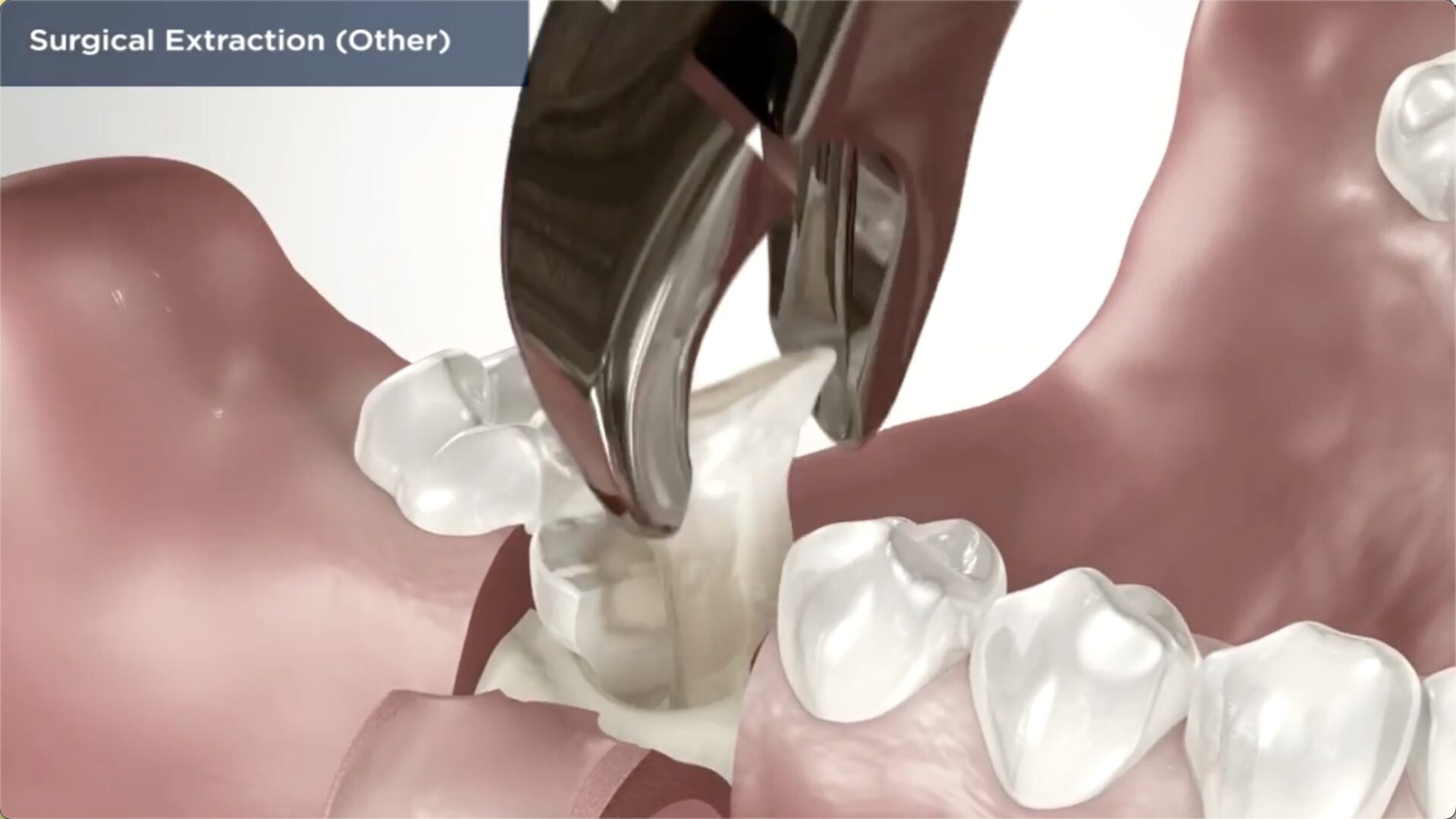
Your dentist will first examine the tooth and numb the surrounding area. If needed, X-rays may be used to evaluate the roots and surrounding bone. Once the area is numb, the dentist will loosen the tooth and remove it.
For a surgical extraction, the dentist may need to make a small opening in the gum or remove the tooth in sections.
What you may notice during treatment
Even with anesthesia, it is normal to feel:
Pressure
You may feel firm pushing or rocking as the tooth is loosened.
Sounds
Some patients notice cracking or popping sounds. This can be surprising, but it is often just the sound of pressure in the tooth and surrounding structures.
Numbness afterward
Your lip, cheek, or tongue may stay numb for a while after the procedure.
What happens right after the extraction
Once the tooth is removed, gauze is placed over the site to help form a blood clot. This clot is important because it protects the underlying bone and nerves while the area heals.
You will likely be given aftercare instructions that include:
- Biting gently on gauze
- Resting for the remainder of the day
- Avoiding straws, smoking, or forceful spitting
- Eating soft foods
- Taking medications as directed
- Using cold compresses if swelling develops
What recovery usually feels like
The first day often involves numbness followed by soreness. The second and third days may bring swelling, jaw stiffness, and tenderness. After that, most patients gradually start feeling better, especially if they follow care instructions closely.
Is Tooth Extraction Pain Worse Than a Toothache?
For many people, tooth extraction pain is actually not worse than the toothache that led to the procedure. In fact, some patients feel relief almost immediately once the problem tooth is removed.
Toothaches can be relentless
A bad toothache can be sharp, throbbing, radiating, and hard to escape. It can make it difficult to sleep, eat, or focus. If the pain is coming from infection, nerve inflammation, or pressure inside the tooth, it may feel intense and constant.
Extraction pain is usually different
Recovery pain after extraction is more predictable. It is often sore, tender, and manageable with medication and rest. Unlike a deep toothache, extraction pain usually improves a little more each day.
Why some people feel better after removal
If the tooth was severely infected, broken, or inflamed, removing it takes away the source of the problem. The extraction site may still hurt, but it is often a healthier kind of discomfort because the body is now healing rather than fighting a worsening issue.
It depends on the situation
Of course, there are exceptions. Surgical extractions, impacted teeth, or complex removals can lead to more recovery discomfort than a simple extraction. Still, many patients would choose short-term post-extraction soreness over ongoing toothache pain.
Why is Day 3 The Worst After Tooth Extraction?
Day 3 is often considered the roughest point after tooth extraction because swelling and inflammation may peak around that time. That does not automatically mean something is wrong. It is often a normal part of the healing process.
The body’s inflammatory response builds before it settles
Right after the extraction, the area is still numb and the body is just beginning its repair process. By the second or third day, more swelling and tenderness can develop as healing activity increases.
Common reasons day 3 feels harder
Swelling may peak
The cheek or jaw can feel puffy or tight.
Jaw stiffness becomes more noticeable
Keeping your mouth open during treatment and the nearby inflammation can leave the jaw feeling sore.
Bruising or tenderness may show up more clearly
Sometimes discomfort becomes more noticeable once the initial numbness and adrenaline from the appointment have passed.
Day 3 should still be manageable
Even if day 3 feels uncomfortable, symptoms should still generally be trending in a normal direction. Mild to moderate soreness, swelling, and tenderness can be normal.
When day 3 may signal a problem
If pain becomes severe, throbbing, and not controlled with medication, or if it comes with bad breath, foul taste, fever, or an empty-looking socket, it may suggest a complication such as dry socket or infection. That is the point to call your dentist.
How Long Does Pain Last After a Tooth Extraction?
Pain after a tooth extraction usually lasts a few days, with the most noticeable discomfort happening in the first 24 to 72 hours. After that, most patients begin to improve steadily.
A general healing timeline
First 24 hours
Bleeding control, clot formation, numbness fading, and early soreness.
Days 2 to 3
Swelling and tenderness may peak. You may notice jaw soreness and sensitivity while eating.
Days 4 to 7
Pain often starts easing more noticeably. Soft tissue begins closing over the extraction site.
After 1 week
Many patients feel much better, though the area may still be sensitive.
Full healing
The gum may heal over sooner, but deeper healing in the bone takes longer.
What affects how long the pain lasts?
Several things can change the timeline:
- Whether the extraction was simple or surgical
- Whether the tooth was infected
- Your overall health
- Smoking or vaping habits
- Whether you followed aftercare instructions
- Whether a complication like dry socket occurs
Pain should gradually improve
The main thing to watch is whether discomfort is getting better over time. Lingering mild soreness can be normal. Pain that gets suddenly worse several days later should be evaluated.
What is The 3-3-3 Rule For Toothache Relief?
The 3-3-3 rule for toothache relief is not a formal dental rule used by all providers, but people sometimes use the term informally to describe short-term self-care habits for managing discomfort until they can get professional help. It is not a substitute for treatment, especially if the pain is severe or linked to infection.
There is no single official dental 3-3-3 rule
Unlike clear medical or dental guidelines, the phrase can mean different things depending on where someone heard it. That is why it is best not to rely on it as a strict clinical standard.
What actually helps with short-term toothache relief
Instead of focusing on an unofficial phrase, it is better to follow practical steps that support comfort while you wait to be seen.
Use cold compresses
Applying a cold pack to the outside of the cheek can help reduce swelling and numb the area slightly.
Take medication as directed
Over-the-counter pain relief may help manage symptoms, depending on your medical history and what your dentist recommends.
Avoid triggers
Very hot, very cold, sugary, or hard foods may make pain worse.
Keep the area clean
Gentle oral hygiene can reduce irritation from trapped food or plaque. Regular general dentistry care can also help prevent small problems from turning into painful ones.
See a dentist promptly
Pain relief at home does not solve the cause of the problem. If the toothache is caused by infection, damage, or nerve involvement, professional treatment is the real solution.
Relief is not the same as healing
Temporary steps may ease discomfort, but they do not fix the underlying issue. Persistent pain should always be evaluated by a dental professional.
Final Thoughts
Tooth extraction is usually not as painful as many people fear. During the procedure, the area is numbed so you should mainly feel pressure rather than pain. Afterward, some soreness, swelling, and tenderness are normal, especially during the first few days.
For many patients, the discomfort of healing is actually easier to manage than the tooth pain that made the extraction necessary in the first place.
The key is knowing what to expect and following post-op instructions carefully so the area can heal properly. If pain becomes severe, worsens instead of improving, or comes with concerning symptoms, it is important to contact your dentist right away.
Get Gentle, Stress-Free Tooth Care You Can Feel Confident About
At Cascade Dental, we are here to make the process as comfortable and stress-free as possible. If you have a painful tooth or have been told you may need an extraction, our team is ready to guide you through your options and help you take the next step with confidence.