Thinking About Upgrading Your Smile with Veneers?
Thinking about upgrading your smile with veneers? You’re not alone. Veneers are one of the most popular ways to fix chips, gaps, and discoloration, but a lot of people wonder how long they actually last.
The truth is, veneers can look great for many years with the right care, but they’re not a one-size-fits-all solution. Before making a decision, it helps to understand what to expect and whether they fit your lifestyle and goals.
Let’s break down how long veneers typically last and how to know if they’re the right choice for you.
How Long Do Veneers Actually Last?
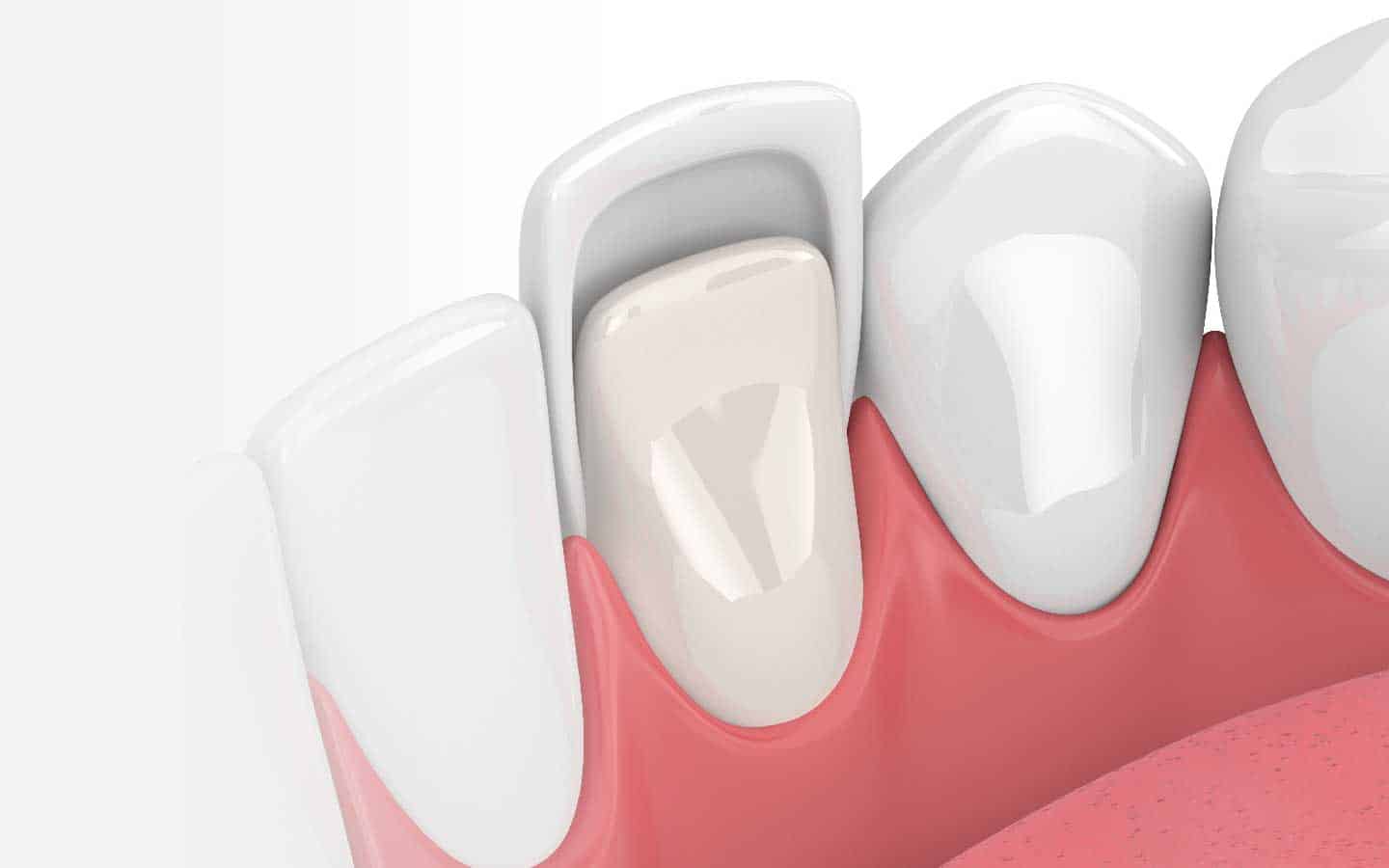
Veneers are designed to be durable, but they’re not permanent. Their lifespan depends on the type of material used and how well they’re maintained. If you’re exploring options, learning more about dental veneers can help you understand what fits your needs.
Types of Veneers and Their Lifespan
Porcelain Veneers
Porcelain veneers are the most popular option because they are strong and stain-resistant. On average, they last:
- 10 to 15 years, and often longer with excellent care
Composite Veneers
Composite resin veneers are more affordable but less durable. They typically last:
- 5 to 7 years before needing replacement or touch-ups
Factors That Affect Longevity
Several factors influence how long your veneers will last:
- Oral hygiene habits (brushing, flossing, regular cleanings)
- Diet choices, especially hard or sticky foods
- Grinding or clenching teeth (bruxism)
- Accidents or trauma
How to Make Veneers Last Longer
To extend the life of your veneers:
- Use a soft-bristled toothbrush and non-abrasive toothpaste
- Avoid biting hard objects like ice or pens
- Wear a night guard if you grind your teeth
- Visit your dentist regularly for checkups, including routine teeth cleaning
With proper care, veneers can stay functional and natural-looking for many years.
Are Dental Veneers Permanent or Do They Need Replacement?
Veneers are considered a permanent dental treatment, but that doesn’t mean they last forever.
Why Veneers Are Permanent
To place veneers, a small amount of enamel is removed from the front surface of your teeth. This process is irreversible, meaning:
- Your teeth will always need some form of covering (like veneers or crowns)
Why They Still Need Replacement
Even though the procedure is permanent, the veneers themselves will eventually wear down or need replacement due to:
- Normal wear and tear
- Chipping or cracking
- Changes in gum position
- Adhesive weakening over time
What Replacement Looks Like
When veneers need replacement, your dentist will:
- Remove the old veneers
- Evaluate your teeth
- Place new ones that match your current smile
Replacing veneers is typically straightforward, especially if your oral health has been well maintained.
Can You Eat Normally With Veneers (Like Biting an Apple)?
Yes, you can eat most foods normally with veneers, but a little caution goes a long way.
Everyday Eating with Veneers
Once your veneers are fully bonded, they function much like natural teeth. You can:
- Eat fruits, vegetables, and meats
- Bite into foods like apples (with some care)
- Enjoy most of your regular diet
Smart Eating Habits
To avoid damage, dentists usually recommend:
- Cutting harder foods into smaller pieces
- Avoiding direct biting into very hard items (like whole apples or crusty bread)
- Being careful with sticky foods like caramel
Foods to Be Careful With
Some foods can increase the risk of chipping or wear:
- Ice
- Hard candies
- Nuts (if bitten forcefully)
- Extremely chewy or sticky snacks
Do Veneers Stain?
Porcelain veneers are highly stain-resistant, but composite veneers can stain over time. Limiting:
- Coffee
- Red wine
- Tobacco
can help maintain their appearance. For additional cosmetic options, you might also consider teeth whitening.
What is The 4-8-10 Rule For Veneers and What Does It Mean?
The “4-8-10 rule” is a guideline often discussed in cosmetic dentistry when planning veneer treatments.
What the Numbers Represent
- 4 veneers: Focus on the most visible front teeth
- 8 veneers: Covers a broader smile zone
- 10 veneers: Creates a full, symmetrical smile makeover
Why This Matters
Your smile design depends on:
- How many teeth show when you smile
- The symmetry of your teeth
- Your facial structure
For some patients, 4 veneers may be enough for subtle improvements. Others may need 8 or 10 for a more balanced and uniform result.
Personalized Smile Design
There’s no one-size-fits-all approach. Your dentist will consider:
- Tooth color and shape
- Alignment
- Gum line
- Overall facial aesthetics
The goal is to create a natural-looking smile that fits you, not something that looks overly artificial.
Why Do Some Dentists Advise Against Veneers?
While veneers offer great cosmetic results, they’re not always the best option for everyone.
Not Ideal for Every Patient
Some dentists may advise against veneers if you have:
- Weak or damaged enamel
- Active gum disease (such as bleeding gums)
- Severe misalignment or bite issues
- Habitual teeth grinding without protection
The Irreversible Nature
Because enamel is removed, veneers are a lifelong commitment. Once you get them:
- You’ll always need replacements in the future
This is one reason dentists carefully evaluate whether veneers are truly necessary.
Alternative Treatments
In some cases, less invasive options may be recommended first:
- Teeth whitening
- Orthodontics (like SureSmile clear aligners)
- Dental bonding
These alternatives can improve your smile without permanently altering your teeth.
Managing Expectations
Veneers can dramatically improve appearance, but they’re not indestructible. Patients need to:
- Maintain good oral hygiene
- Avoid harmful habits
- Understand long-term care requirements
A good dentist will always prioritize your long-term dental health over cosmetic trends.
Final Thoughts
Veneers can be a long-lasting and effective way to enhance your smile, typically lasting 10 to 20 years with proper care. They allow you to eat most foods normally and can be customized to match your ideal look. However, they are a permanent commitment and will eventually need replacement.
Understanding factors like the 4-8-10 rule, maintenance requirements, and potential limitations helps you make a more informed decision. Veneers aren’t for everyone, but for the right candidate, they can deliver a confident, natural-looking smile.
Discover the Best Smile Solution for You
At Cascade Dental, we take a personalized approach to cosmetic dentistry. If you’re considering veneers in Vancouver, WA or exploring other options, our team is here to guide you through every step, from consultation to final results. You can learn more about our team and approach on our About page or reach out directly through our contact page.
Schedule a visit with us and let’s find the best solution for your smile goals.