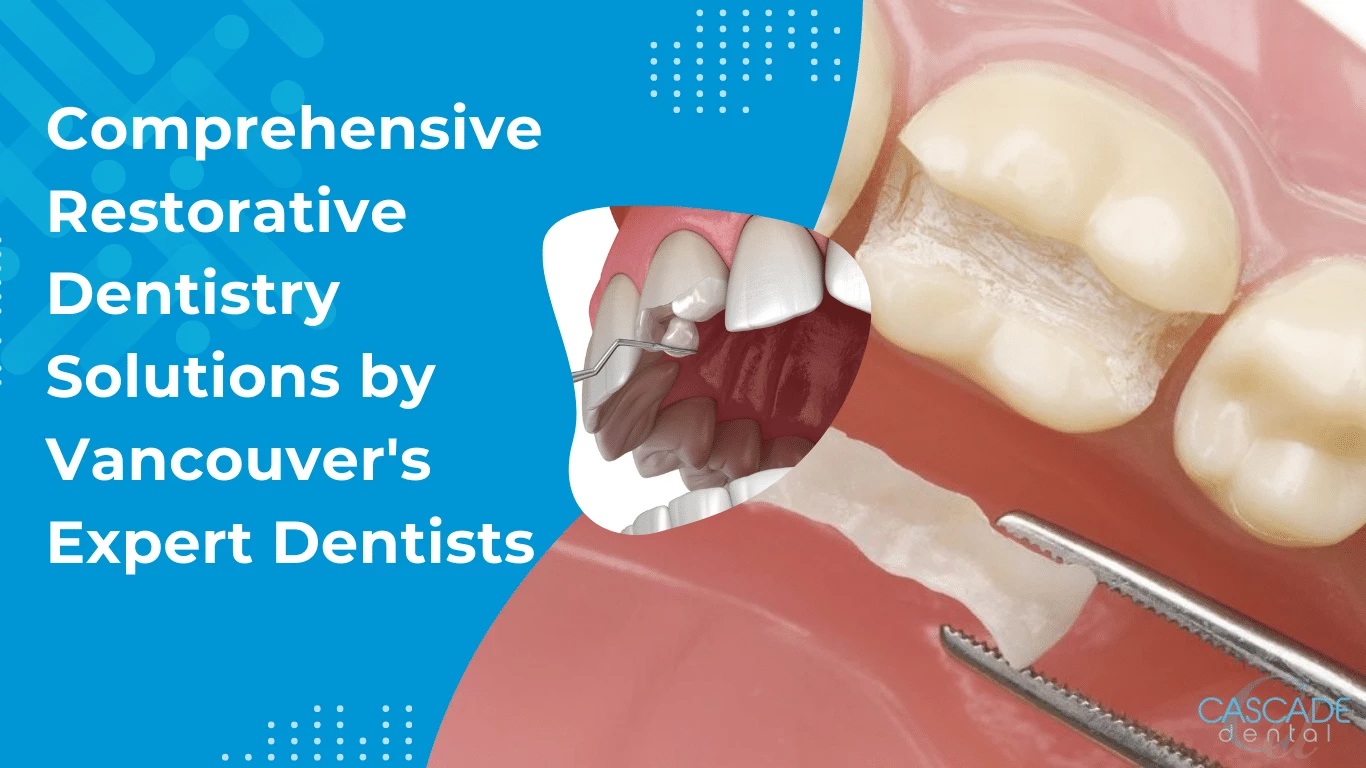
In a city where people value both health and quality of life, access to advanced dental care makes a meaningful difference. One of the most important areas of modern dentistry is restorative dentistry, which is designed to repair damaged teeth, replace missing teeth, and restore comfort, function, and appearance.
Comprehensive restorative dentistry addresses a wide range of oral health concerns with solutions tailored to each patient’s specific needs. Whether the issue involves decay, structural damage, or tooth loss, the goal is to rebuild oral health in a way that supports both daily function and long-term confidence.
What Types of Restorative Dentistry Solutions Are Available?
Restorative dentistry includes several treatments that help repair and replace teeth while improving the overall health and appearance of the smile.
Common procedures include:
- fillings
- dental crowns
- bridges
- implants
- dentures
Each option serves a different purpose depending on the condition being treated.
Fillings are often used to restore teeth affected by cavities and prevent further decay. Dental crowns help strengthen and protect teeth that are worn, cracked, or heavily damaged. Bridges are used to replace one or more missing teeth by filling the gap with a fixed restoration supported by neighboring teeth. Dentures offer a practical solution for patients missing multiple teeth, helping restore both function and appearance.
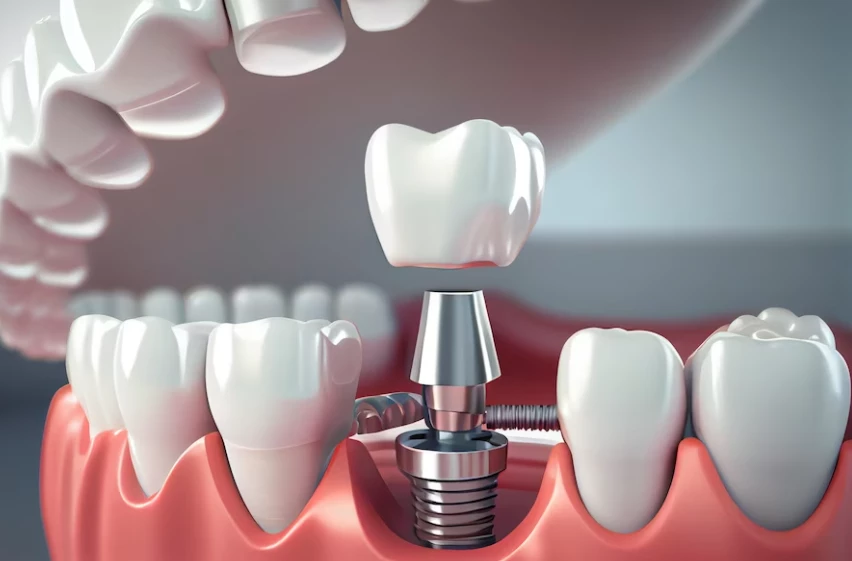
Dental implants are one of the most durable solutions for missing teeth. They act as artificial tooth roots and support restorations that look, feel, and function much like natural teeth. For patients looking to improve both strength and aesthetics, porcelain crowns and veneers may also be recommended in certain cases.
How Are Complex Restorative Procedures Approached?
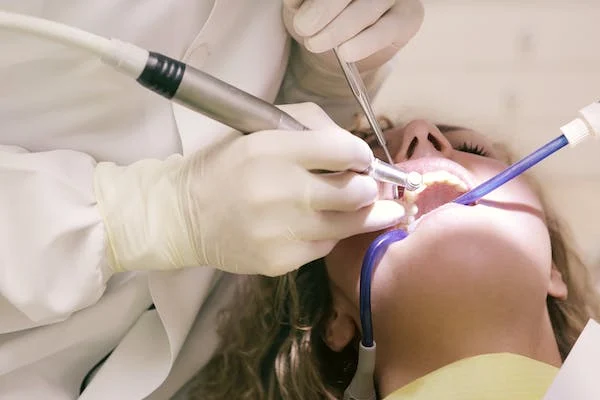
More advanced restorative treatments require careful planning and a personalized approach. The process usually begins with a detailed examination to assess the full extent of the issue.
This evaluation may include reviewing the condition of the affected teeth, the surrounding gums, the alignment of the bite, and any existing dental work. From there, a treatment plan is developed based on the patient’s oral health needs, goals, and long-term outcomes. You can learn more about the importance of a detailed assessment in comprehensive oral examinations.
Clear communication is an important part of the process. Patients should understand the available treatment options, what results to expect, and how to care for their restorations after treatment. This helps reduce uncertainty and supports better results throughout the treatment journey.
What Technology Supports Restorative Dentistry?
Modern restorative dentistry benefits greatly from advanced dental technology, which improves precision, comfort, and efficiency.
Digital imaging and 3D scanning allow for highly detailed views of the mouth, making diagnosis and treatment planning more accurate. These tools help identify underlying concerns and ensure restorations are designed to fit properly.
CAD/CAM technology has also improved the process for creating crowns, bridges, and other restorations. In some cases, custom restorations can be produced in a single visit, reducing wait times and improving convenience.
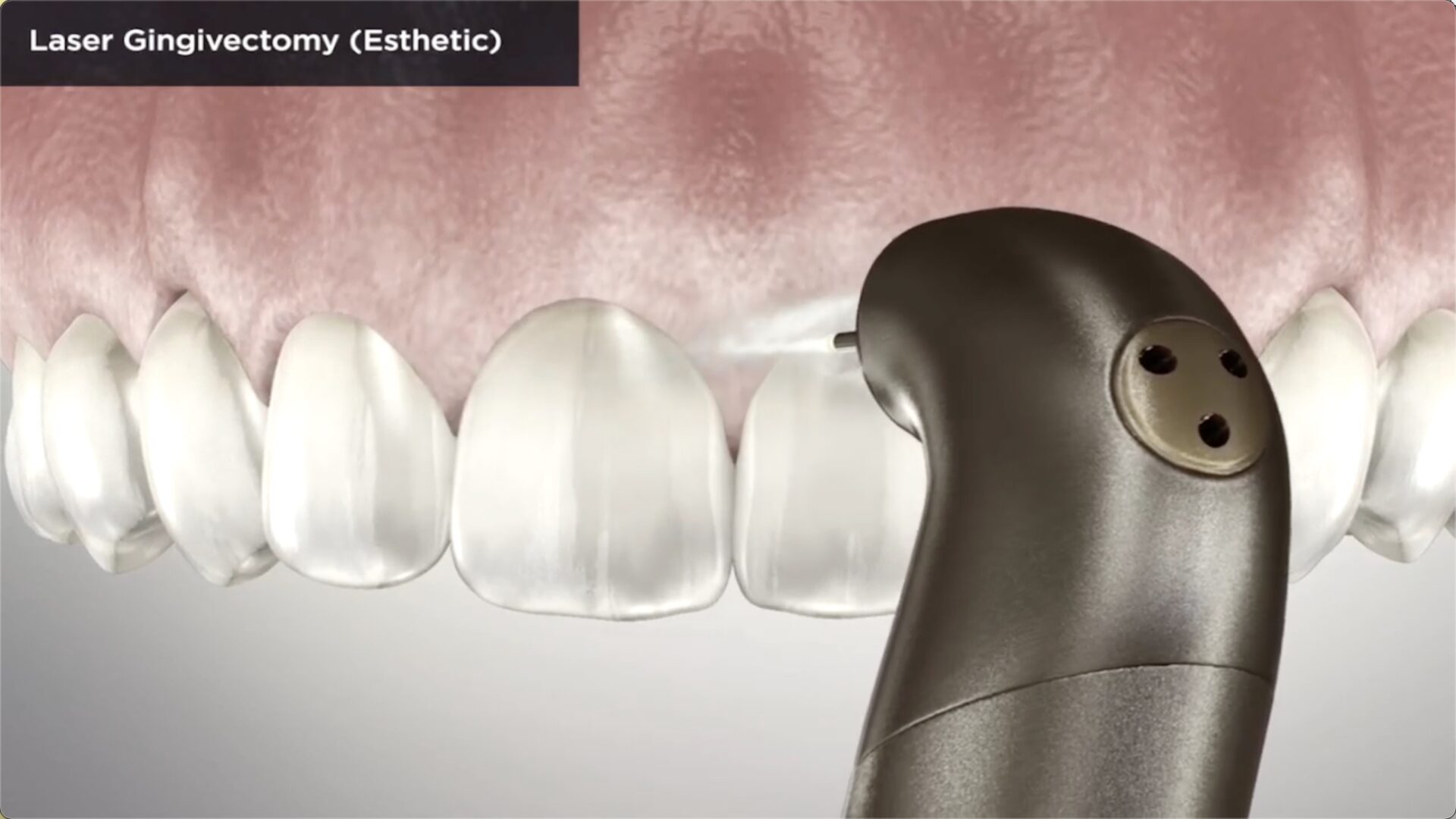
Dental implants have also advanced significantly due to improvements in materials and techniques, making them more reliable and longer-lasting. Laser dentistry may also be used in some restorative treatments, offering a less invasive option for certain procedures involving soft tissue care or decay removal. For more insight into long-term tooth replacement, see dental implants as a permanent solution for missing teeth.
What Are the Benefits of Restorative Dentistry?
The benefits of restorative dentistry go far beyond appearance.
By repairing decay, restoring damaged teeth, and replacing missing teeth, these procedures help prevent additional complications from developing. A cavity left untreated can lead to infection, deeper structural damage, or even tooth loss. Missing teeth can cause neighboring teeth to shift, contribute to bone loss, and affect bite alignment over time.
Restorative procedures help protect against these problems while improving everyday function. Patients are often able to chew more comfortably, speak more clearly, and maintain better overall oral health after treatment.
There are also emotional and personal benefits. Restoring the appearance of the teeth can improve confidence, reduce self-consciousness, and support a better quality of life. For many patients, restorative dentistry provides relief not only from pain or discomfort, but also from the frustration of living with damaged or missing teeth.
Why Restorative Dentistry Matters
Comprehensive restorative dentistry plays an essential role in protecting oral health and rebuilding smiles. With the right combination of treatment planning, modern technology, and personalized care, patients can address both immediate dental problems and long-term oral health concerns.
Whether the need is a simple filling, a dental crown, tooth replacement, or a more involved full-mouth restoration, restorative dentistry offers practical solutions that improve comfort, function, and appearance.
Why Cascade Dental Is a Trusted Choice for Restorative Dentistry
At Cascade Dental, restorative care is centered on improving oral health while helping patients feel comfortable and informed throughout the process. The clinic is known for combining experience, advanced technology, and personalized treatment in a supportive environment. Patients can also view Cascade Dental as a local reference for trusted dental care.
Skilled Care With a Patient-First Approach
Restorative dentistry requires both technical precision and thoughtful care. The team at Cascade Dental takes time to understand each patient’s concerns, explain treatment options clearly, and create a comfortable experience from start to finish.
This patient-focused approach helps make complex care feel more manageable and ensures that treatment decisions are made with confidence.
Advanced Technology for Better Results
Cascade Dental uses modern dental technology to improve diagnosis, treatment accuracy, and patient comfort.
From digital imaging and 3D scans to CAD/CAM systems for custom restorations, the clinic is equipped to deliver efficient and high-quality restorative care. These tools help reduce guesswork, improve fit, and often shorten treatment timelines.
Personalized Treatment Plans
No two patients have exactly the same dental needs. That is why every treatment plan is customized based on the condition of the teeth, oral health goals, and the type of restoration required.
Whether the solution involves a small repair or a more complete smile restoration, the focus remains on providing care that is practical, effective, and tailored to the individual.
A Strong Emphasis on Long-Term Oral Health
While restorative dentistry is designed to repair existing problems, long-term success also depends on prevention. Cascade Dental encourages regular exams, cleanings, and proactive care to help patients protect their restorations and maintain better oral health moving forward.
This balanced approach supports both immediate treatment outcomes and lasting dental wellness.
Frequently Asked Questions
Q: What is the price range for restorative dental services at Cascade Dental?
A: Costs vary depending on the procedure and the complexity of treatment. A simple filling may start around $150, while more advanced solutions such as dental implants may cost several thousand dollars. A clear estimate is typically provided during the consultation.
Q: How long do restorative procedures take?
A: Treatment time depends on the procedure. Some services, such as fillings, may be completed in one visit, while implants and other complex restorations may require multiple appointments. Modern technology helps improve efficiency without sacrificing quality.
Q: Will insurance cover restorative dentistry?
A: Many dental insurance plans include some level of coverage for restorative procedures, although benefits vary by provider and plan. The office team can usually help review coverage and explain available payment options.
Q: How do I care for my dental restorations?
A: Good oral hygiene, routine dental visits, and following your dentist’s care instructions are essential for maintaining restorations. Specific aftercare may vary depending on whether you have fillings, crowns, bridges, dentures, or implants.
Restore Your Smile With Confidence
Restorative dentistry can make a major difference in both oral health and daily comfort. By repairing damage and replacing missing teeth, these procedures help rebuild function, improve appearance, and support long-term well-being.
If you are ready to strengthen your smile and improve your oral health, scheduling a consultation is the first step. With the right care and treatment plan, it is possible to restore both confidence and comfort in a lasting way.