If you are considering dental implants, choosing the right implant material is one of the most important decisions you will make. Dental implants are designed to replace missing tooth roots and support long-term oral health, so the material used must be strong, durable, and compatible with your body.
Today, the two most common dental implant materials are titanium and zirconia. Both materials offer unique advantages, but the best choice depends on your oral health, cosmetic goals, and personal preferences.
In this guide, we’ll explain the most common dental implant materials, compare titanium vs zirconia implants, and help you understand which implant material may be best for your smile.
Quick Answer: What Is the Best Implant Material?
Titanium is generally considered the best material for dental implants because it has:
- The highest long-term success rate
- Excellent strength and durability
- Strong osseointegration with bone
- Decades of clinical research
However, zirconia dental implants may be the better choice for patients who:
- Prefer metal-free dentistry
- Have metal sensitivities
- Want highly aesthetic front tooth restorations
- Have thin gum tissue where metal may show
The best implant material ultimately depends on your individual treatment goals and oral health needs.
Why Implant Material Matters
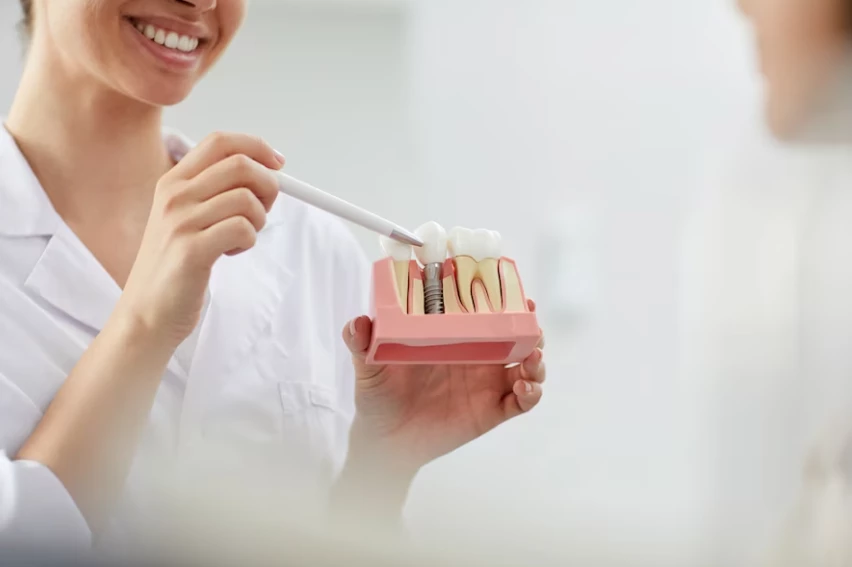
Dental implants are placed directly into the jawbone and function as artificial tooth roots. Because implants become part of your oral structure, the material used plays a major role in:
- Implant stability
- Healing success
- Long-term durability
- Appearance
- Comfort
- Biocompatibility
A high-quality implant material helps reduce the risk of complications while improving long-term performance.
Modern dental implants are designed to restore both function and aesthetics while supporting jawbone health. Beyond replacing missing teeth, many patients also experience the confidence boost dental implants can provide, especially when they feel more comfortable speaking, eating, and smiling.
What Determines Dental Implant Success?
Several important factors help determine whether a dental implant treatment will succeed long term.
Osseointegration
Osseointegration is the process where the implant fuses with the jawbone. Strong osseointegration creates stability and allows the implant to function similarly to a natural tooth root.
Biocompatibility
The implant material must be compatible with the body and unlikely to cause irritation, inflammation, or rejection.
Durability
Dental implants must withstand years of chewing pressure without cracking, loosening, or failing.
Aesthetics
The implant and final restoration should blend naturally with surrounding teeth and gum tissue.
Long-Term Stability
The best implant materials maintain their strength and stability for many years with proper care and regular dental exams.
Titanium Dental Implants
Titanium has been used successfully in dentistry and medicine for decades and remains the most widely used implant material worldwide.
Titanium implants are known for:
- Exceptional strength
- Excellent bone integration
- High success rates
- Long-term durability
- Flexibility under pressure
Most modern implants use titanium alloy because it offers additional strength while maintaining excellent biocompatibility.
Benefits of Titanium Implants
Proven Long-Term Success
Titanium implants have success rates above 95% in many long-term studies, making them one of the most predictable restorative options available.
Excellent Osseointegration
Titanium naturally bonds with jawbone tissue, helping create strong and stable implant support.
Durable and Strong
Titanium handles heavy chewing pressure extremely well, making it ideal for both front and back teeth.
Versatile Treatment Options
Titanium works well for many restorative solutions, including:
- Single dental implants
- Full mouth implants
- Implant-supported bridges
- Same-day dental implants
Potential Drawbacks of Titanium Implants
Although titanium remains the gold standard, some patients may have concerns about:
- Metal sensitivity
- Minor gray coloration beneath thin gum tissue
- Preference for metal-free restorations
For many patients, however, these concerns are outweighed by titanium’s proven performance and longevity.
Zirconia Dental Implants
Zirconia implants are a newer metal-free alternative made from ceramic material.
Zirconia implants have gained popularity because they:
- Offer natural aesthetics
- Are metal-free
- Resist corrosion
- Support healthy gum tissue response
Benefits of Zirconia Implants
Metal-Free Option
Patients interested in holistic or metal-free dentistry often prefer zirconia implants.
Natural Tooth-Colored Appearance
Because zirconia is white rather than metallic, it may provide better cosmetic results in highly visible areas of the mouth.
Good Biocompatibility
Zirconia is highly biocompatible and generally well tolerated by surrounding tissues.
Potential Drawbacks of Zirconia Implants
Less Long-Term Research
While zirconia implants show promising results, they do not yet have the same decades-long research history as titanium implants.
More Brittle Material
Ceramic materials are strong but can be more prone to fracture under heavy force compared to titanium.
Limited Restoration Flexibility
Titanium systems currently provide more restorative options for complex implant cases.
Titanium vs Zirconia Dental Implants
| Feature | Titanium Implants | Zirconia Implants |
|---|---|---|
| Long-term research | Extensive | Limited |
| Success rate | Very high | High |
| Strength | Excellent | Very good |
| Flexibility under pressure | Better | More brittle |
| Appearance | Slight gray risk | Natural white color |
| Metal-free | No | Yes |
| Best for back teeth | Excellent | Good |
| Best for front teeth | Excellent | Excellent |
Which Implant Material Lasts Longer?
Titanium implants generally have the strongest long-term success rates because they:
- Resist fracture better
- Handle chewing pressure more effectively
- Have decades of clinical evidence
With proper care, titanium implants can last for decades or even a lifetime. For patients wondering how long dental implants last, factors such as oral hygiene, gum health, bite pressure, smoking habits, and routine dental care can all influence implant longevity.
Patients considering implants should also understand the expected dental implant recovery timeline and long-term maintenance requirements.
Which Implant Material Looks More Natural?
Zirconia implants are often considered slightly more aesthetic because their white color blends naturally with teeth and gums.
This may be especially beneficial for:
- Front tooth replacements
- Patients with thin gum tissue
- Highly cosmetic smile restorations
However, titanium implants paired with high-quality ceramic crowns can also achieve extremely natural-looking results.
Which Implant Material Is Best for Front Teeth?
For front teeth, both titanium and zirconia implants can provide excellent results.
Zirconia may offer cosmetic advantages in cases where gum tissue is thin or highly visible. Titanium, however, still remains highly popular because of its strength and long-term predictability.
The best choice depends on:
- Gum thickness
- Smile line
- Bone support
- Bite pressure
- Cosmetic goals
Which Implant Material Is Best for Back Teeth?
Titanium is often preferred for back teeth because molars experience stronger chewing forces.
Titanium’s flexibility and durability help reduce stress and lower the risk of fracture in high-pressure areas.
Are Metal-Free Dental Implants Better?
Metal-free implants are not automatically better, but they may be preferable for some patients.
Zirconia implants may be ideal for individuals who:
- Prefer holistic dentistry
- Want metal-free restorations
- Have metal sensitivities
- Prioritize aesthetics
For many patients, however, titanium still provides the best combination of durability, success, and long-term reliability.
How Dentists Choose the Right Implant Material
Choosing the best implant material involves evaluating several factors, including:
- Bone density
- Gum thickness
- Bite force
- Implant location
- Overall oral health
- Cosmetic goals
- Medical history
Using advanced dental technology, dentists can carefully plan implant placement and recommend the most appropriate material for your needs.
Dental Implant Options at Cascade Dental
At Cascade Dental, we understand that every patient has unique oral health needs and treatment goals. Our experienced team uses modern imaging and personalized treatment planning to help determine the best implant solution for your smile.
Whether you need:
we focus on long-term comfort, stability, and natural-looking results.
Frequently Asked Questions
What is the safest material for dental implants?
Titanium is considered one of the safest and most researched dental implant materials available today.
Are zirconia implants better than titanium?
Not necessarily. Zirconia offers cosmetic and metal-free benefits, while titanium has stronger long-term evidence and durability.
Which dental implant material lasts the longest?
Titanium implants currently have the best long-term research and success rates.
Do zirconia implants break more easily?
Zirconia is strong but more brittle than titanium, which may increase fracture risk under heavy pressure.
Which implant material looks most natural?
Zirconia implants often provide the most natural appearance because they are white rather than metallic.
Can dental implants last a lifetime?
With proper care, excellent oral hygiene, and regular dental visits, dental implants can last for decades or even a lifetime.
Schedule Your Dental Implant Consultation
Choosing the best implant material is an important step toward restoring your smile and protecting your long-term oral health.
At Cascade Dental, our team helps patients understand their implant options and create personalized treatment plans designed for long-lasting results.
Contact Cascade Dental today to schedule your consultation and learn which dental implant material may be best for your smile.