Dental Crowns in Vancouver WA | Same-Day CEREC
Get a custom dental crown in just one visit with advanced CEREC technology. Restore your tooth quickly without temporary crowns.
A cracked, worn, weakened, or badly damaged tooth does not always need to be removed. A dental crown can restore strength, improve appearance, and help protect your natural tooth from further damage. At Cascade Dental in Vancouver, WA, our team provides custom dental crowns with careful planning, modern technology, and a focus on long-term comfort.
✦ Custom crowns designed to restore strength, shape, and function
✦ Same-day CEREC crown options available for many patients
✦ Natural-looking restorations planned around your bite, smile, and oral health
Damaged Teeth Should Not Be Left Untreated
Protect Your Tooth Before the Problem Gets Worse
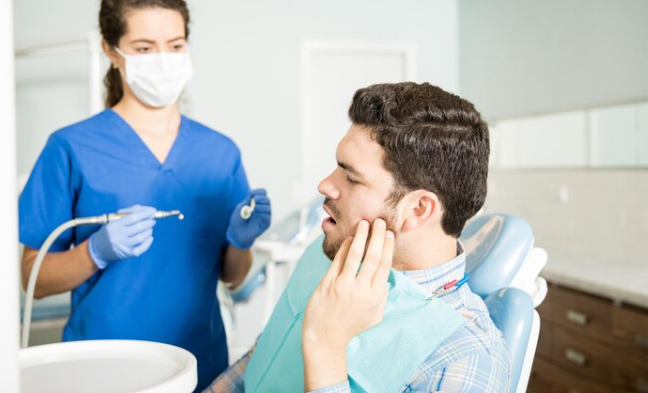
A damaged tooth may start as a small chip, crack, worn edge, or old filling that no longer feels secure. Over time, that tooth can become more vulnerable to pain, sensitivity, decay, and breakage.
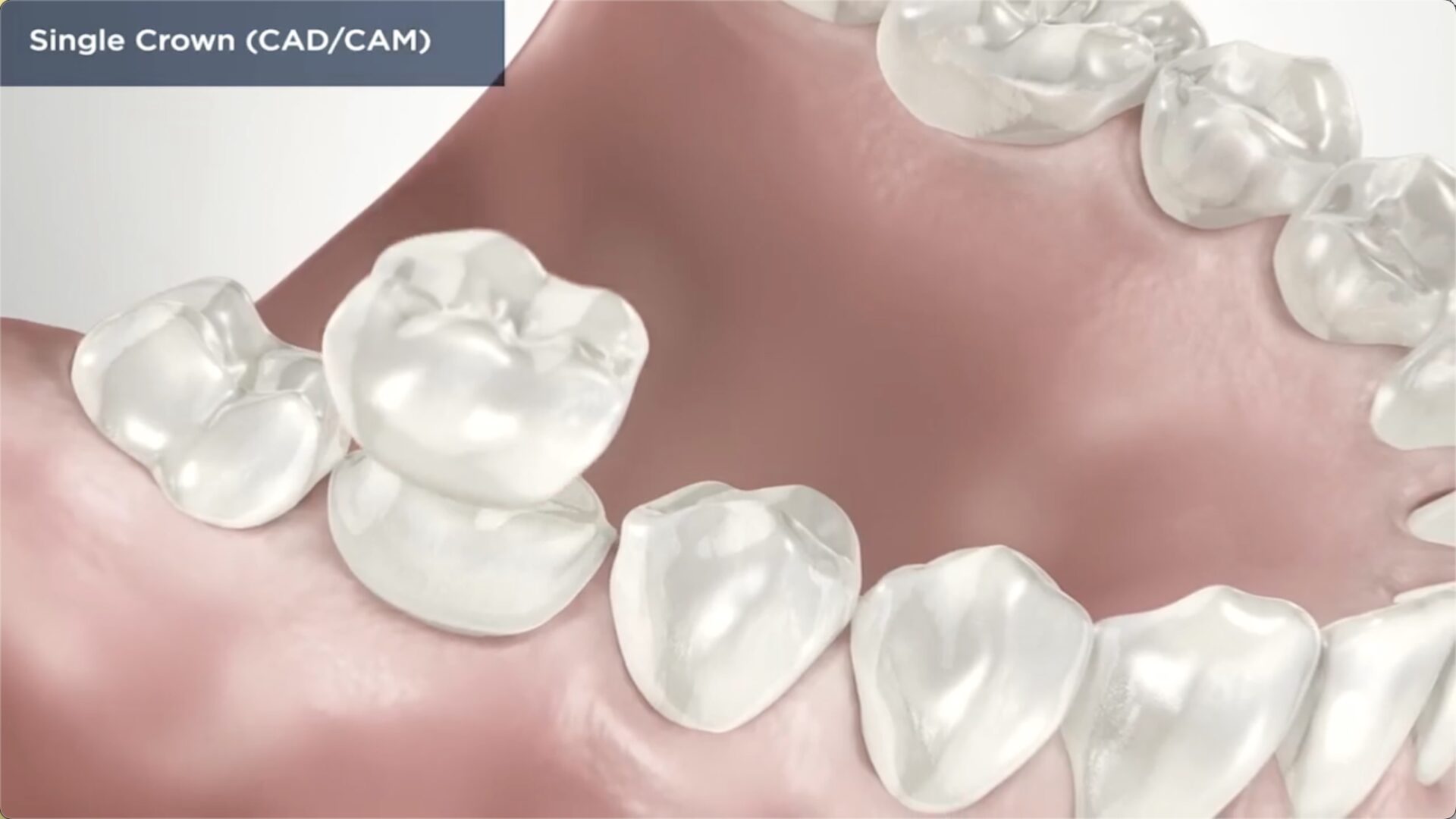
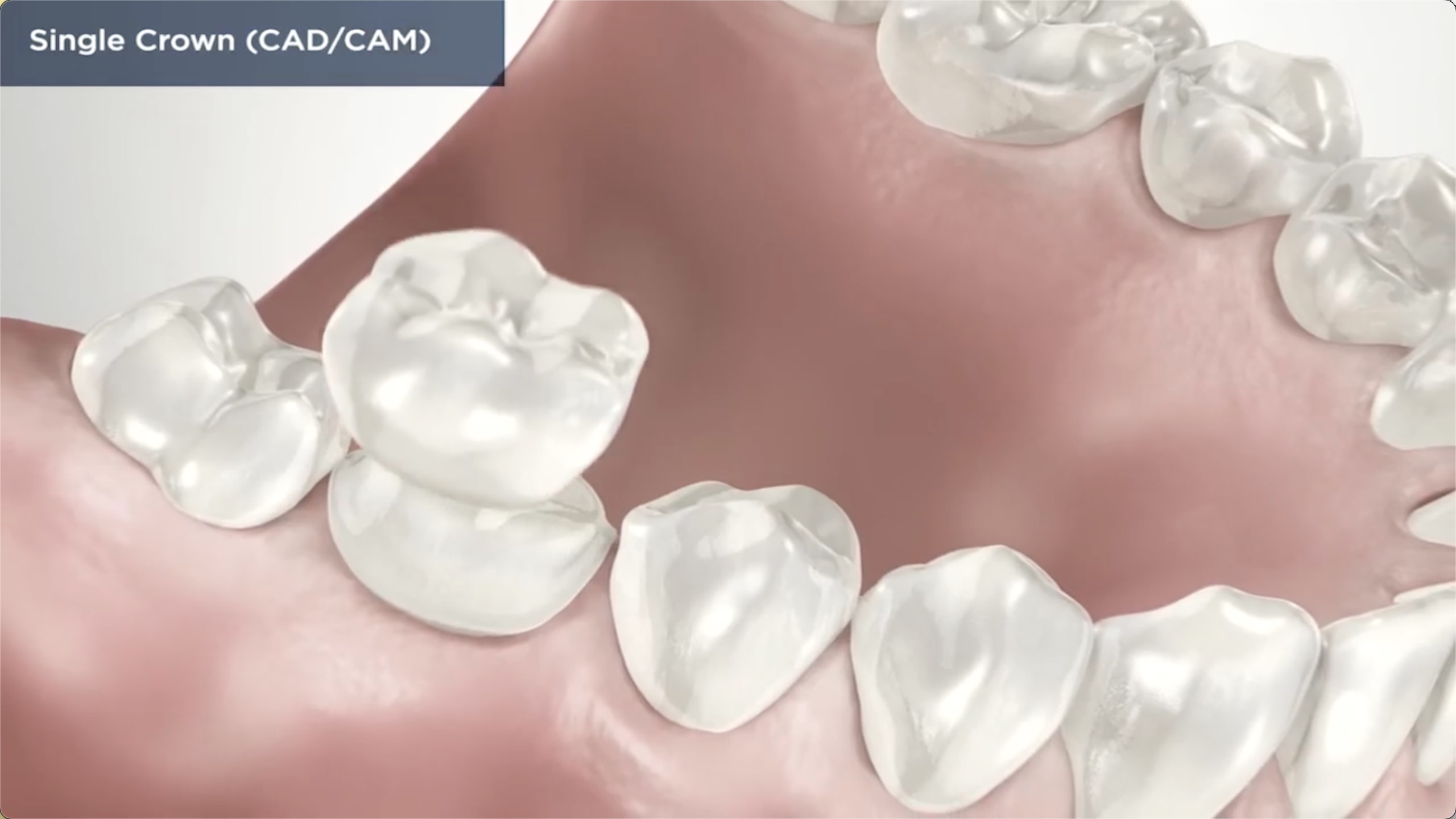
A dental crown is often recommended when a tooth needs more support than a filling can provide. The crown covers the visible part of the tooth, helping restore its shape, size, strength, and appearance.
At Cascade Dental, we take time to evaluate the tooth, explain what we see, and help you understand whether a crown is the right solution. If another option is better for your situation, we’ll explain that too.
overview of a cracked tooth
Our Dental Crown Process
From Evaluation to Restoration in a Clear, Comfortable Plan
Getting a dental crown should feel straightforward, not confusing. Our goal is to restore your tooth in a way that feels comfortable, looks natural, and supports your long-term oral health.
1. Exam, X-Rays, and Diagnosis
Your visit begins with a careful evaluation of the affected tooth. We check for cracks, decay, weakened structure, bite concerns, old fillings, and other signs that a crown may be needed.
Digital X-rays may be used to see what is happening below the surface. This helps us determine whether the tooth can be restored with a crown or whether another treatment is needed first.
2. Tooth Preparation
If a crown is recommended, the tooth is gently reshaped so the restoration can fit securely. We preserve as much healthy tooth structure as possible while creating the space needed for a strong, natural-looking crown.
The area is numbed before treatment, so you should feel comfortable throughout the procedure.
3. Digital Scanning or Impressions
After the tooth is prepared, we take digital scans or impressions to design your custom crown. The crown is planned to match your bite, tooth shape, and surrounding smile.
For many patients, CEREC technology allows us to design and create a crown during the same visit.
4. Crown Creation
Your crown is crafted from durable material selected for your needs. The right material depends on the location of the tooth, how much biting pressure it handles, your cosmetic goals, and your long-term treatment plan.
5. Final Placement and Bite Check
Once the crown is ready, we place it over the tooth and check the fit, bite, and appearance. Small adjustments may be made so the crown feels natural when you chew and speak.
Dental Crowns
A Strong Solution for Damaged or Weakened Teeth
Dental crowns are one of the most useful treatments in restorative dentistry. They can protect a weak tooth, rebuild a broken tooth, restore a tooth after root canal treatment, or improve the appearance of a tooth that is misshapen or severely discolored.
A crown may be recommended when a filling is not enough to support the tooth. Instead of patching one small area, a crown covers and reinforces the full visible portion of the tooth.
The goal is simple: protect the tooth, restore function, and help your smile look natural.
Signs You May Need a Dental Crown
Symptoms and Tooth Problems That Deserve an Evaluation
Some dental crown needs are obvious, such as a broken tooth. Others are more subtle and may only be found during a dental exam.
You should schedule an appointment if you notice any of the following:
✅ A cracked or broken tooth: Cracks can worsen over time and may allow bacteria to reach deeper areas of the tooth.
✅ A large cavity: When decay removes too much healthy structure, a filling may not provide enough support.
✅ A worn-down tooth: Grinding, aging, or bite pressure can shorten or weaken teeth.
✅ A tooth with a large old filling: Teeth with large fillings may become more likely to crack or break.
✅ Pain when chewing: Discomfort under pressure may be a sign that the tooth is weakened or damaged.
✅ Sensitivity after damage: A damaged tooth may become sensitive to temperature, pressure, or sweets.
✅ A tooth after root canal treatment: Many root canal-treated teeth need crowns to prevent future cracking.
✅ A misshapen or discolored tooth: Crowns can also improve the appearance of teeth with cosmetic concerns.
Not every damaged tooth needs a crown, but these signs should not be ignored. Early evaluation can help prevent more serious problems later.
What Causes Teeth to Need Crowns?
How Damage, Decay, and Wear Affect Tooth Strength
Teeth are strong, but they are not indestructible. Daily chewing, grinding, decay, injuries, and old dental work can all weaken tooth structure over time.
Common reasons patients need dental crowns include:
Deep Tooth Decay
When a cavity becomes too large, there may not be enough healthy tooth left to support a filling. A crown can cover and protect the remaining structure.
Cracks and Fractures
A cracked tooth can become painful or unstable. In many cases, a crown helps hold the tooth together and protects it from further damage.
Root Canal Treatment
After a root canal, the tooth may need extra protection. A crown can restore strength and reduce the risk of cracking.
Worn Teeth
Grinding, clenching, and long-term wear can flatten or weaken teeth. Crowns can rebuild lost structure and improve function.
Large Fillings
A tooth with a large filling may have thin remaining walls. A crown can help reinforce the tooth and provide better long-term support.
Dental Trauma
Accidents, sports injuries, falls, or biting something hard can damage a tooth. A crown may be used to restore the tooth if enough healthy structure remains.
Same-Day Dental Crowns
Modern CEREC Technology for Faster Tooth Restoration
Cascade Dental offers same-day dental crowns with CEREC technology for many patients. This advanced system allows us to design, create, and place a custom crown in one visit.
That means you may be able to avoid a temporary crown, a second appointment, and the waiting period that comes with a traditional lab-made crown.
Same-day crowns can be a good option when the tooth is ready to restore and the case is appropriate for in-office crown creation. During your visit, we’ll let you know whether a same-day crown or lab-made crown is the better fit for your needs.
overview of CEREC Crowns
Comfort During Treatment
Dental Crown Care With Your Comfort in Mind
Many patients feel nervous about restorative dental treatment, especially if the tooth is already sensitive or damaged. Our team works to make the experience as calm and comfortable as possible.
The tooth and surrounding area are numbed before preparation begins. You may feel pressure or vibration during treatment, but you should not feel sharp pain.
We also take time to explain each step. If you feel anxious, let us know. We’ll slow down, answer your questions, and make sure you feel heard throughout your appointment.
Some mild sensitivity after crown treatment can happen, especially around the gums or when the bite is adjusted. This usually improves as the tooth settles.
Types of Dental Crowns
Choosing the Right Crown for Your Tooth
Not every crown is the same. The right crown depends on where the tooth is located, how visible it is when you smile, and how much chewing force it needs to handle.
Porcelain Crowns
Porcelain crowns are often used for visible teeth because they closely resemble natural enamel.
Ceramic Crowns
Ceramic crowns are metal-free and can provide strong cosmetic results for patients who want a natural-looking restoration.
Zirconia Crowns
Zirconia crowns are known for strength and durability. They may be recommended for back teeth or areas that handle heavier chewing pressure.
Porcelain-Fused-to-Metal Crowns
These crowns combine a metal base with a tooth-colored porcelain exterior. They offer strength with a more natural appearance than full metal crowns.
Metal Crowns
Metal crowns are very durable, though they are less commonly used for visible teeth because of their appearance.
We’ll help you compare your options and choose a crown material that fits your tooth, smile, and long-term goals.
Aftercare and Long-Term Care
How to Protect Your Dental Crown
A dental crown is designed to be durable, but it still needs proper care. The crown itself cannot get a cavity, but the tooth underneath and the gumline around it still need protection.
Brush and Floss Daily
Brush twice a day and floss around the crown to remove plaque and food debris from the gumline.
Avoid Biting Hard Objects
Do not chew ice, pens, fingernails, or other hard objects that could damage the crown.
Be Careful With Sticky Foods
Very sticky foods can pull on restorations and should be eaten carefully.
Wear a Nightguard if Needed
If you grind or clench your teeth, a nightguard may help protect your crown and natural teeth.
Keep Up With Dental Visits
Regular exams allow us to check the crown, monitor your bite, and make sure the surrounding tooth and gums stay healthy.
Choosing the Right Dental Crown Provider
What Matters When Restoring a Damaged Tooth
When you need a dental crown, you want more than a quick repair. You want a dental team that understands function, appearance, comfort, and long-term protection.
Here are the factors that matter most:
Accurate Diagnosis
A crown should be recommended after a careful exam, not guesswork. X-rays, bite evaluation, and a visual exam help determine whether the tooth can be restored predictably.
Natural-Looking Results
A good crown should blend with your surrounding teeth and support your smile, not look bulky or out of place.
Strong Restorative Planning
The crown needs to fit your bite and protect the tooth long term. Planning matters, especially for back teeth, root canal-treated teeth, and teeth affected by grinding.
Modern Technology
Digital scanning and CEREC same-day crown technology can make the process more efficient and precise for many patients.
Clear Communication
You should understand why a crown is recommended, what material may be used, what the cost may involve, and what to expect after treatment.
Why Patients Choose Cascade Dental
Vancouver Dental Crown Care With Experience Behind Every Step
Cascade Dental is trusted by families throughout Vancouver and nearby communities for preventive, cosmetic, restorative, pediatric, and emergency dentistry. Our team focuses on practical, patient-first care with modern technology and clear communication.
Trusted by Local Patients
Patients throughout Vancouver, WA choose Cascade Dental for friendly care, thorough exams, and dependable restorative treatment.
Skilled Doctors Under One Roof
Our dental team includes Dr. Daniel Wilson, Dr. Andy Himsworth, Dr. Holly Stagg, and Dr. Stephen Reller. Patients benefit from a team with experience in restorative, cosmetic, preventive, surgical, bite-focused, and digital dentistry.
Same-Day Crown Technology
CEREC technology allows us to provide same-day crowns for many patients, helping restore damaged teeth with fewer visits.
Restorative Care That Looks Natural
We plan crowns with both function and appearance in mind, so your restoration supports your bite while blending with your smile.
Patient-First Communication
We explain your options clearly and help you feel confident before treatment begins. You will not be rushed through the process.
dr. daniel wilson is a mentor and visiting faculty member of the cEREC doctors group


Dental Crowns vs. Other Treatments
Which Option Is Right for Your Tooth?
Different dental treatments serve different purposes. During your visit, we’ll help you understand which option fits your tooth best.
A Dental Crown May Be Better If:
Your tooth is cracked, weakened, or badly worn
Your cavity is too large for a filling
Your tooth needs protection after a root canal
You need to restore chewing strength
You want to improve the shape or appearance of a damaged tooth
A Filling May Be Better If:
The cavity is small or moderate
There is enough healthy tooth structure left
The tooth does not need full coverage
The damage is limited to one area
A Veneer May Be Better If:
The concern is mostly cosmetic
The tooth is otherwise healthy
Only the front surface needs improvement
An Extraction May Be Needed If:
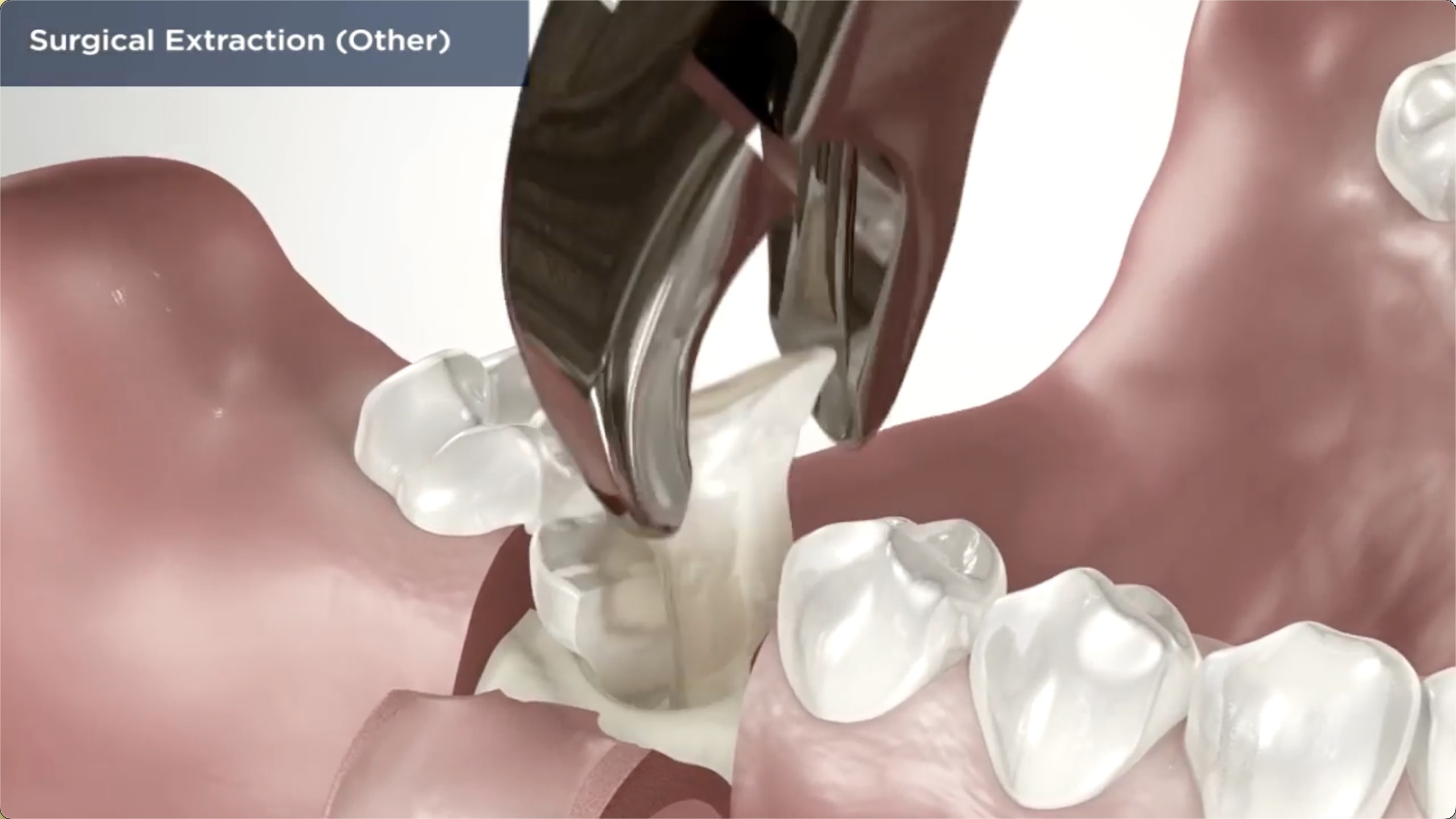
The tooth is fractured below the gumline
There is not enough structure left to restore
The damage or decay is too severe
The tooth cannot be predictably saved
Cost and Insurance
Understanding Your Dental Crown Investment
The cost of a dental crown depends on several factors, including the tooth being treated, the crown material, whether same-day technology is used, and whether additional treatment is needed before the crown is placed.
A crown may feel like a larger investment than a filling, but it can help protect a tooth that might otherwise continue to break down. Delaying treatment may lead to more discomfort, more damage, or the need for extraction.
Cascade Dental works with many insurance plans and offers payment options to help make care more manageable. During your visit, our team can review your benefits, explain estimated costs, and help you understand your options before treatment begins.
Frequently Asked Questions
Dental Crown FAQs
What is a dental crown?
A dental crown is a custom restoration that covers the visible part of a tooth. It restores shape, strength, function, and appearance.
How do I know if I need a crown?
You may need a crown if your tooth is cracked, broken, worn down, weakened by decay, has a large filling, or needs protection after root canal treatment. A dental exam is needed to confirm the right treatment.
Are dental crowns painful?
The procedure is performed with local anesthesia, so you should feel comfortable during treatment. Some mild soreness or sensitivity afterward is normal and usually improves quickly.
How long do dental crowns last?
Many crowns last 10 to 15 years or longer with good oral hygiene, regular dental visits, and healthy bite habits.
Can I get a crown in one visit?
In many cases, yes. Cascade Dental offers same-day crowns with CEREC technology when appropriate for the tooth and treatment plan.
Will my crown look natural?
Yes. Modern crowns are designed to match the shape, size, and color of your surrounding teeth for a natural appearance.
Do crowns require special care?
Crowns do not require special products, but brushing, flossing, routine checkups, and avoiding hard objects can help protect them.
Can a crown fix a broken tooth?
In many cases, yes. If enough healthy tooth structure remains, a crown can cover and protect the broken tooth.
Is a crown better than pulling the tooth?
When a tooth can be saved, a crown is often preferred because it helps preserve your natural bite and avoid tooth replacement treatment. If extraction is necessary, we’ll explain your options clearly.
Schedule Your Dental Crown Visit in Vancouver, WA
If you have a cracked, worn, damaged, or weakened tooth, Cascade Dental can help you understand your options. Our team provides custom dental crowns in Vancouver, WA with a focus on strength, comfort, and natural-looking results.
Call Cascade Dental today to schedule your visit and take the next step toward a healthier, stronger smile.
our service areas
washington
- Dental Crowns in Fisher’s Landing East, WA
- Dental Crowns in Cascade Park West, WA
- Dental Crowns in Burnt Bridge Creek, WA
- Dental Crowns in North Image, WA
- Dental Crowns in Walnut Grove, WA
- Dental Crowns in Washougal, WA
- Dental Crowns in Vancouver, WA
- Dental Crowns in Orchards, WA
- Dental Crowns in Minnehaha, WA
- Dental Crowns in Mill Plain, WA
- Dental Crowns in Hazel Dell, WA
- Dental Crowns in Fisher’s Landing, WA
- Dental Crowns in Felida, WA
- Dental Crowns in Camas WA