Same-Day Crowns: What Patients Should Know Before Their Appointment
June 5, 2026
When a tooth becomes cracked, weakened, worn down, or heavily restored, a dental crown may be one of the most…
A painful, infected, or badly damaged tooth does not always need to be removed. Root canal treatment can relieve discomfort, stop infection, and help preserve your natural smile. At Cascade Dental in Vancouver, WA, our team provides careful diagnosis, modern treatment, and a calm experience from the first exam to the final restoration.
✦ Treatment designed to remove infection and protect your natural tooth
✦ Comfortable care with local anesthesia and patient-first communication
✦ Restorative support, including crowns or fillings, to rebuild strength after treatment
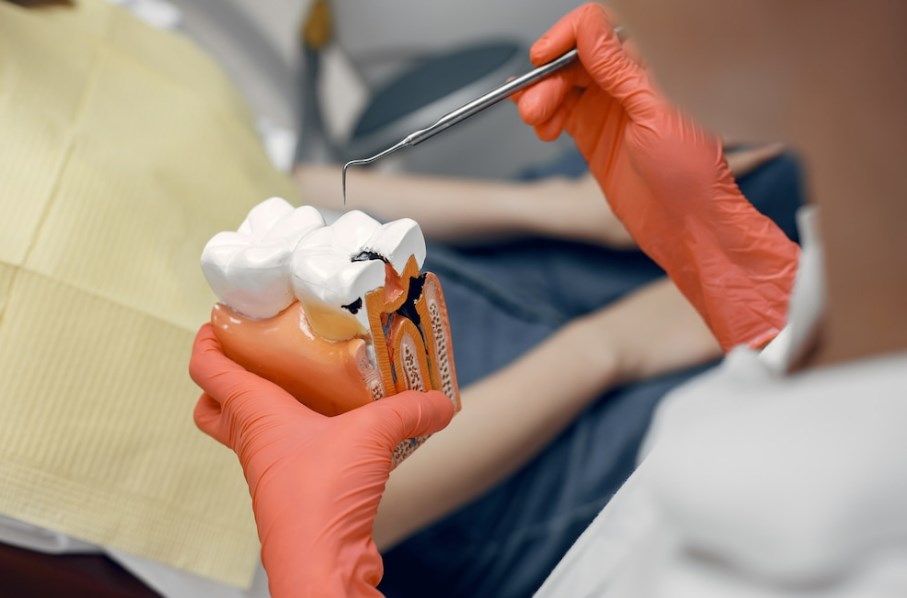
Tooth pain can start small, then suddenly become difficult to ignore. A deep cavity, crack, dental injury, or infection inside the tooth can create pressure, swelling, sensitivity, or throbbing pain that does not go away on its own.
A root canal is often recommended when the pulp inside the tooth becomes inflamed or infected. The pulp contains nerves, blood vessels, and connective tissue. When bacteria reach this inner area, the tooth may become painful, tender, or abscessed. Left untreated, the infection can spread beyond the tooth and may eventually lead to tooth loss.
At Cascade Dental, we focus on identifying the source of your pain and explaining your options clearly. If a root canal can save your tooth, we’ll walk you through the process step by step. If another solution is more appropriate, we’ll tell you that too.
Root canal treatment sounds intimidating to many patients, but the process is more straightforward than most people expect. Our goal is to relieve pain, remove infection, and restore the tooth so you can chew, smile, and speak comfortably again.
Your visit begins with a careful evaluation. We’ll ask about your symptoms, examine the affected tooth, check the surrounding gums, and use digital X-rays when needed to see what is happening below the surface.
We may look for signs such as deep decay, infection near the root, cracks, swelling, bite sensitivity, or changes inside the tooth. This step is important because tooth pain can come from several sources. A proper diagnosis helps us recommend the right treatment instead of guessing.
If root canal therapy is needed, we’ll explain why, what the procedure involves, and what to expect afterward.
Before treatment begins, the area around the tooth is thoroughly numbed with local anesthesia. Most patients feel pressure or vibration during the procedure, but not sharp pain.
Once you are comfortable, we create a small opening in the tooth to reach the infected or inflamed pulp. This access point allows us to treat the inside of the tooth while preserving as much healthy tooth structure as possible.
The damaged pulp is carefully removed from the tooth’s inner chamber and root canals. The canals are then cleaned, shaped, and disinfected to remove bacteria and prepare the space for sealing.
This part of the process is what helps stop the infection and relieve the pressure that may be causing pain. We use precise techniques and modern tools to make treatment efficient and thorough.
After the canals are cleaned, they are filled with a biocompatible material called gutta-percha. This seals the internal space and helps prevent bacteria from re-entering.
A temporary or permanent filling may be placed at the access opening depending on your treatment plan. In many cases, a crown is recommended after a root canal to protect the tooth from cracking and restore normal chewing strength.
A root canal treats the infection inside the tooth, but the tooth still needs to be restored properly afterward. Depending on the condition of the tooth, we may place a dental crown or filling to rebuild its strength and appearance.
This final restoration is an important part of treatment success. With good oral hygiene, regular checkups, and proper restoration, many root canal-treated teeth can last for years.
Root canal treatment is designed to save a tooth that might otherwise need to be removed. Instead of extracting the tooth, we clean out the infected tissue, seal the inside, and restore the tooth so it can continue functioning.
Saving a natural tooth is often the preferred option when it is possible. Your natural tooth helps maintain your bite, supports nearby teeth, and allows you to chew normally. Removing a tooth may solve the immediate infection, but it can create other concerns later, including shifting teeth, bite changes, and the need for replacement options such as a bridge or dental implant.
A root canal can help you avoid those complications by preserving the tooth structure that remains. The goal is not just to stop pain today. It is to protect your long-term oral health.
Some teeth needing root canal treatment cause severe pain. Others may have more subtle symptoms. In some cases, infection is discovered during an exam before the patient feels major discomfort.
You should schedule an appointment if you notice any of the following:
⭐ Lingering tooth pain: Pain that continues after eating, drinking, or biting may be a sign that the nerve inside the tooth is irritated or infected.
⭐ Sensitivity to hot or cold: Short sensitivity can happen for many reasons, but sensitivity that lingers may point to deeper pulp inflammation.
⭐ Swelling near the gums or jaw: Swelling can be a sign of infection and should be evaluated as soon as possible.
⭐ Pain when chewing or touching the tooth: A tooth that feels sore under pressure may have inflammation around the root.
⭐ A pimple-like bump on the gums: This may be a sign of drainage from an infected tooth.
⭐ A darkened or discolored tooth: Trauma or internal damage can cause a tooth to change color over time.
⭐ A cracked or broken tooth: Cracks can allow bacteria to reach the inner pulp, even if the tooth still looks mostly intact.
⭐ Deep decay or a large cavity: When decay reaches the pulp, a filling alone may no longer be enough.
Not every symptom automatically means you need a root canal, but these signs should not be ignored. Early treatment may make the process simpler and help protect more of your natural tooth.
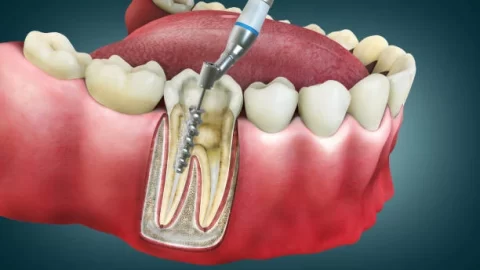
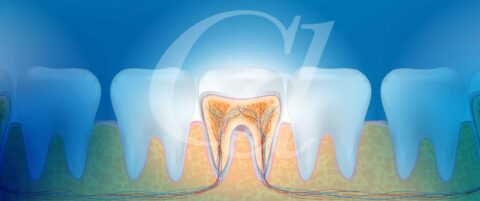
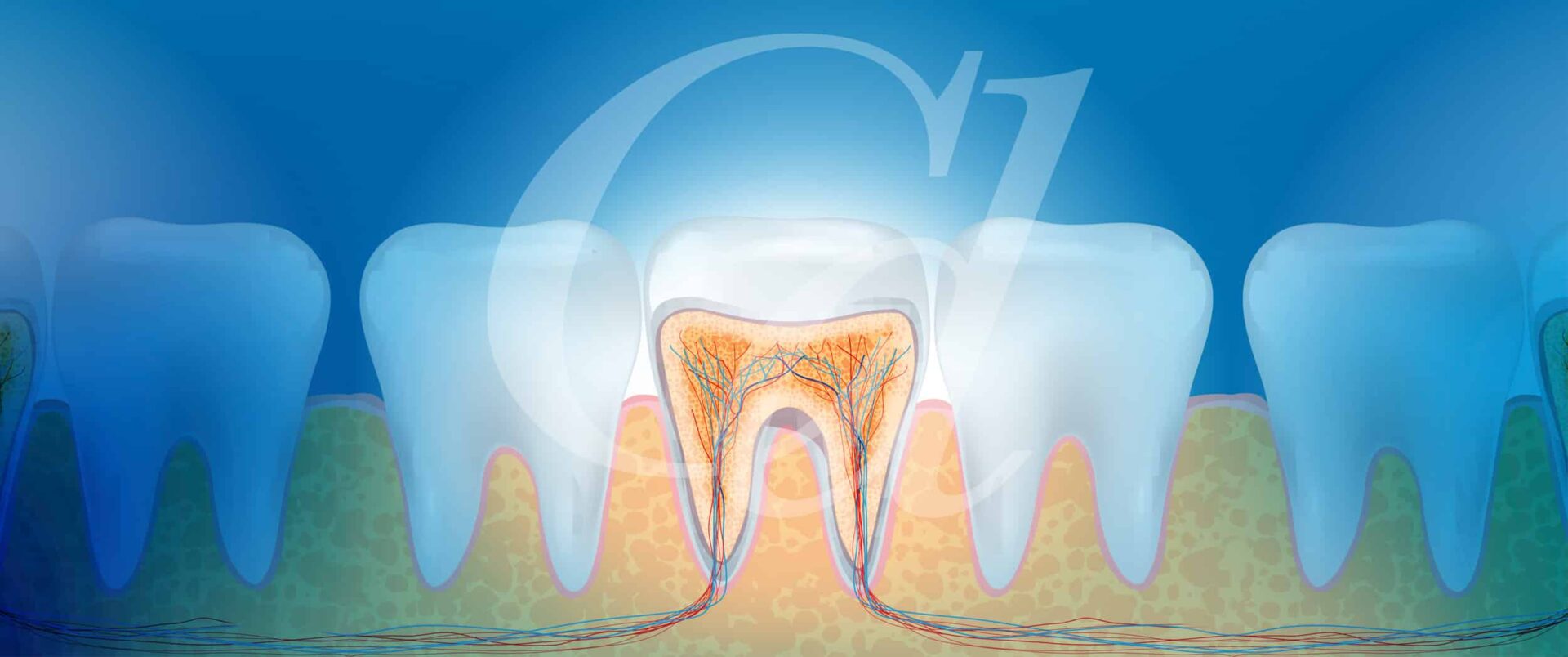
The outside of your tooth is protected by enamel. Beneath that is dentin, and at the center is the pulp. When bacteria or trauma reach the pulp, inflammation or infection can develop.
Common causes include:
A cavity that spreads through the enamel and dentin can eventually reach the pulp. Once bacteria enter this inner area, the body has limited ability to clear the infection on its own.
A cracked tooth can create a pathway for bacteria. Some cracks are obvious, while others are small enough that they are difficult to see without a dental evaluation.
Teeth that have had multiple fillings or procedures may become more vulnerable over time. Repeated treatment can irritate the pulp or weaken the tooth structure.
A fall, sports injury, accident, or blow to the mouth can damage the pulp. Sometimes symptoms appear right away. Other times, problems develop months or years later.
When infection spreads beyond the pulp, it may form an abscess near the root. An abscess can cause swelling, pressure, bad taste, fever, or severe pain. Dental infections should always be taken seriously.
Root canals have a reputation they do not deserve. Many patients associate them with pain, but the reality is that the infection is usually what hurts. The treatment is meant to remove the source of that pain.
Modern root canal therapy is performed with local anesthesia, careful technique, and a focus on patient comfort. Most patients compare the experience to getting a deep filling. You may feel pressure, but you should not feel sharp pain during the procedure.
At Cascade Dental, we also know that anxiety is real. If you feel nervous, tell us. We’ll slow down, explain what is happening, and make sure you feel heard. You will not be rushed through treatment or left wondering what comes next.
After the procedure, mild soreness or tenderness is normal for a few days, especially if the tooth was infected before treatment. This is usually manageable with over-the-counter pain relievers and improves as the tooth heals.
Most root canals are completed with a non-surgical approach through the top of the tooth. In some cases, however, a surgical procedure may be needed to save the tooth.
A surgical root canal, sometimes called an apicoectomy, may be recommended when infection remains near the root tip after standard treatment, when root anatomy is difficult to access, or when tissue around the root needs to be cleaned directly.
This is not the first step for most patients. It is typically considered when a standard root canal has not fully resolved the problem or when the tooth has a more complex issue. If this type of care is needed, we’ll explain why and help you understand the best path forward.
Our priority is always to preserve your natural tooth when it is healthy and realistic to do so.
Most patients return to normal activities soon after root canal treatment. Your recovery will depend on how infected or inflamed the tooth was before treatment and whether additional restoration is needed.
Mild soreness after treatment is common. Use pain relievers as directed by your dentist. If discomfort worsens instead of improving, call our office.
Until your final filling or crown is placed, avoid chewing hard foods on the treated tooth. This helps prevent cracks or damage while the tooth is still being restored.
Brush and floss gently, and follow any instructions we provide. Good oral hygiene helps support healing and reduces the risk of future dental problems.
Do not skip the crown or permanent restoration if it is recommended. A root canal-treated tooth can become more brittle, especially if it had a large cavity or fracture. A crown helps protect it from future breakage.
Follow-up appointments allow us to check healing, place the final restoration, and make sure your bite feels comfortable.
When you are dealing with tooth pain, you want more than a quick appointment. You want a dental team that can diagnose the problem correctly, explain the treatment honestly, and help you feel comfortable during care.
Here are the factors that matter most:
Root canal treatment should begin with a careful exam, not assumptions. Digital X-rays, symptom review, and bite evaluation help determine whether the tooth can be saved and what treatment is needed.
A good provider takes your pain and anxiety seriously. Numbing, communication, and a gentle approach can make a major difference in how the experience feels.
The root canal is only part of the solution. The tooth often needs a crown or filling afterward. A provider who can complete both the infection treatment and final restoration helps create a smoother process.
Tooth infections and severe pain do not always happen at convenient times. Choosing a dental office that offers urgent care can help you get relief sooner.
Before treatment begins, you should understand your estimated cost, insurance options, and payment choices. Dental care feels less stressful when there are fewer surprises.
Cascade Dental is trusted by families throughout Vancouver and nearby communities for preventive, cosmetic, restorative, pediatric, and emergency dentistry. Our team combines modern technology with a calm, practical approach to care.
Cascade Dental has earned a 4.9-star rating from 656 Google reviews and has been recognized as Best of Clark County a total of 9 times. For patients dealing with pain or infection, that track record can bring real peace of mind.
Our dental team includes Dr. Daniel Wilson, Dr. Andy Himsworth, Dr. Holly Stagg, and Dr. Stephen Reller. Each doctor brings a different background in restorative, cosmetic, preventive, bite-focused, surgical, and digital dentistry, giving patients access to well-rounded care in one office.
Modern diagnostics help us understand what is happening inside and around the tooth before treatment begins. Our office uses advanced dental technology to support accurate, efficient, and comfortable care.
After a root canal, the tooth often needs to be rebuilt. Cascade Dental offers restorative solutions, including crowns and fillings, so your treatment can be completed with strength, function, and appearance in mind.
If you are dealing with tooth pain, swelling, a broken tooth, or another urgent concern, our office offers same-day emergency appointments when available. Fast care can make a major difference when infection or severe discomfort is involved.
We explain what we see, why treatment may be needed, and what your options are. You deserve to understand your care before making a decision.
When a tooth is infected, patients often wonder whether extraction would be easier. Sometimes removal is necessary, especially if the tooth is badly fractured, severely decayed, or cannot be restored. But when the tooth can be saved, a root canal is often the better long-term choice.
Your tooth still has enough healthy structure to restore
The infection can be cleaned and sealed
You want to keep your natural bite
You want to avoid tooth replacement treatment
A crown or filling can protect the tooth afterward
If extraction is the right choice, we can discuss replacement options such as a bridge or dental implant. But if the tooth can be saved, we’ll explain how root canal therapy may help you keep it.
The cost of root canal treatment depends on several factors, including which tooth is affected, how complex the infection is, whether additional appointments are needed, and what type of final restoration is recommended.
Front teeth are often simpler to treat than molars because molars have multiple roots and canals. A crown may also add to the total cost, but it can be necessary to protect the tooth long term.
Cascade Dental works with many insurance plans and offers financing options to help make care more manageable. During your visit, our team can review your benefits, explain estimated costs, and help you understand your payment options before treatment begins.
The most expensive choice is often waiting. Delaying care may allow infection to spread, increase pain, and turn a treatable tooth into one that needs extraction.
A root canal is a dental treatment that removes infected or inflamed pulp from inside a tooth. The inner canals are cleaned, disinfected, filled, and sealed. The tooth is then restored with a filling or crown.
You may need a root canal if you have lingering tooth pain, sensitivity to heat or cold, swelling, pain when chewing, a gum bump, deep decay, or a cracked tooth. A dental exam and X-rays are needed to confirm the cause.
Root canal treatment is performed with local anesthesia, so the procedure should not be painful. Most patients feel relief after the infected tissue is removed. Mild soreness afterward is normal.
Many root canals can be completed in one visit, but some cases require more than one appointment. Treatment time depends on the tooth, the severity of infection, and whether additional restoration is needed.
Many back teeth need crowns after root canal treatment because they handle heavy chewing forces. A crown helps protect the treated tooth from cracking. Some front teeth may only need a filling, depending on the case.
Antibiotics may help control the spread of infection temporarily, but they do not remove infected pulp from inside the tooth. If the pulp is infected, root canal treatment or extraction is usually needed to address the source.
Delaying care can allow infection to spread, worsen pain, damage surrounding bone, and increase the chance that the tooth cannot be saved. It is best to schedule an exam as soon as symptoms appear.
Most patients feel better within a few days. Tenderness is normal, especially if the tooth was painful before treatment. If swelling, pain, or pressure worsens, contact our office.
With proper restoration and good oral hygiene, a treated tooth can last for many years and sometimes a lifetime. Regular checkups help protect the tooth and catch new concerns early.
Not always. If the tooth can be saved, root canal treatment often helps preserve your natural bite and avoid replacement procedures. If the tooth cannot be restored, extraction may be recommended.
Yes. Cascade Dental offers same-day emergency appointments when available for tooth pain, broken teeth, swelling, and urgent dental concerns.
Tooth pain is your mouth’s way of telling you something needs attention. If you are dealing with sensitivity, swelling, pressure, deep decay, or a toothache that will not go away, Cascade Dental is here to help.
Our team will diagnose the problem, explain your options, and help you choose the right path for your oral health. If root canal treatment can save your natural tooth, we’ll provide care designed to be comfortable, thorough, and focused on long-term results.