If you’re considering dental implants in Vancouver, WA, one of the first questions that probably comes to mind is: how long will it take to recover? The short answer is that recovery happens in stages. While most people feel back to normal within a few days after surgery, the full healing process, including bone integration, can take several months.
Understanding what to expect can make the entire experience less stressful and help you plan your schedule with confidence. Let’s walk through the recovery timeline, what affects healing, and how soon you can get back to your routine.
How Long Should You Rest After a Dental Implant Procedure?
After receiving dental implants, rest plays a big role in how smoothly your recovery goes. Most patients are advised to take it easy for at least 24 to 48 hours following the procedure. During this initial period, your body is beginning the healing process, and minimizing activity helps reduce bleeding, swelling, and discomfort.
What to Expect in the First Few Days
- Mild swelling around the gums and face
- Minor bleeding or oozing
- Sensitivity in the treated area
These symptoms are completely normal and usually improve within a few days.
Tips for Proper Rest and Recovery
- Keep your head elevated when lying down
- Avoid strenuous activity or heavy lifting
- Stick to soft foods like yogurt, soup, or mashed potatoes
- Stay hydrated, but avoid using straws
Most patients feel significantly better after the third day. However, even if you feel okay, it’s still important to follow your dentist’s aftercare instructions to support proper healing of your dental implants in Vancouver, WA.
Is Getting a Dental Implant Considered a Major Surgery?
This is a common concern, especially for first-time patients. Technically, placing dental implants is considered a minor oral surgery, not a major one.
For patients exploring tooth replacement options beyond implants, understanding how implant surgery compares with other restorative treatments can also help when discussing the best solution with a dentist.
Why It’s Not Considered Major Surgery
- It is typically performed under local anesthesia
- The procedure is highly controlled and precise
- Most patients go home the same day
- Recovery is generally quick and manageable
However, the complexity can vary depending on your case.
Factors That May Make It More Complex
- Bone grafting requirements
- Multiple implants being placed at once
- Pre-existing oral health conditions
Even in more involved cases, advancements in dental technology have made dental implants safer and more predictable than ever. For most patients, the procedure is straightforward, with minimal downtime.
How Painful Is The Recovery From Dental Implants?
One of the biggest misconceptions about dental implants is that recovery is extremely painful. In reality, most patients describe the discomfort as mild to moderate.
What Does It Feel Like?
After the anesthesia wears off, you may experience:
- Soreness in the gums
- Slight throbbing in the jaw
- Mild swelling
This is similar to what you might feel after a tooth extraction.
Managing Discomfort
The good news is that pain is usually easy to manage with:
- Over-the-counter pain relievers
- Prescribed medication if needed
- Cold compresses to reduce swelling
Most discomfort peaks within the first 48 hours and then gradually improves.
When to Be Concerned
While complications are rare, you should contact your dentist if you experience:
- Severe or worsening pain
- Persistent swelling after several days
- Signs of infection such as fever or pus
For the majority of patients, recovery from dental implants is much easier than expected, especially when proper aftercare is followed.
What Is The Typical Recovery Timeline For Dental Implants?
Healing after dental implants happens in phases. While the initial recovery is quick, the complete process takes time because your jawbone needs to fuse with the implant.
Phase 1: First 24–72 Hours
- Swelling and minor discomfort
- Rest and limited activity recommended
- Soft food diet
Phase 2: First Week
- Gum tissue begins to heal
- Stitches (if used) may dissolve or be removed
- Most normal daily activities can resume
Phase 3: 2–6 Weeks
- Soft tissue healing continues
- Minimal discomfort remains
- You can eat more solid foods gradually
Phase 4: 3–6 Months (Osseointegration)
This is the most important stage. During this time:
- The implant fuses with the jawbone
- The foundation becomes stable and secure
This process is what makes dental implants in Vancouver, WA so durable and long-lasting.
For people replacing one tooth or several missing teeth, dental implants for single or multiple teeth can provide a stable option tailored to the number and location of teeth that need to be restored.
Final Step: Crown Placement
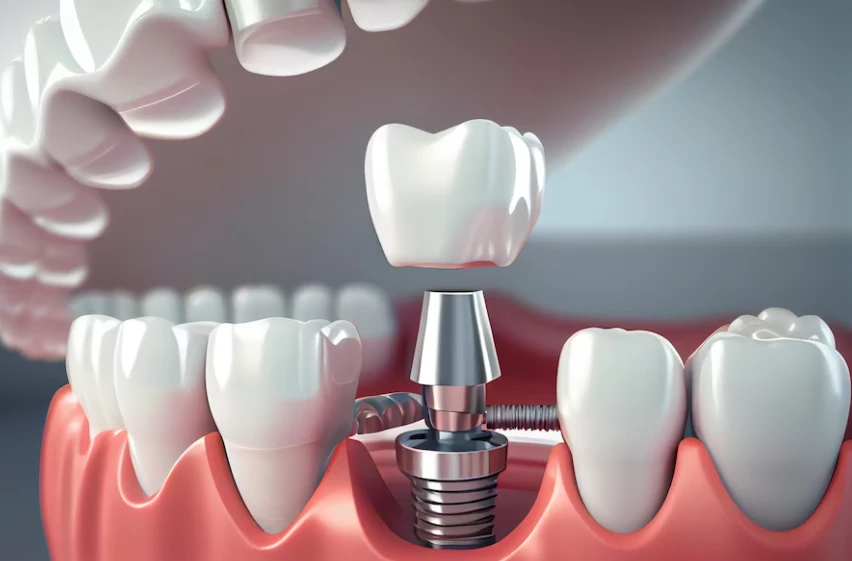
Once healing is complete, your dentist will attach the permanent crown. At this point, your implant looks, feels, and functions like a natural tooth.
When Can You Return to Normal Activities After a Dental Implant?
Most patients are pleasantly surprised at how quickly they can return to their usual routine after getting dental implants.
Daily Activities
You can typically:
- Return to light activities within 1–2 days
- Resume work (depending on your job) within a couple of days
- Drive and perform routine tasks almost immediately
Exercise and Physical Activity
- Light exercise: After 2–3 days
- Intense workouts: Wait at least 5–7 days
Strenuous activity too soon can increase swelling or disrupt healing, so it’s best to ease back in gradually.
Eating Normally
- Soft foods: First few days
- Semi-solid foods: After about a week
- Regular diet: Within 1–2 weeks (depending on comfort)
Oral Hygiene Routine
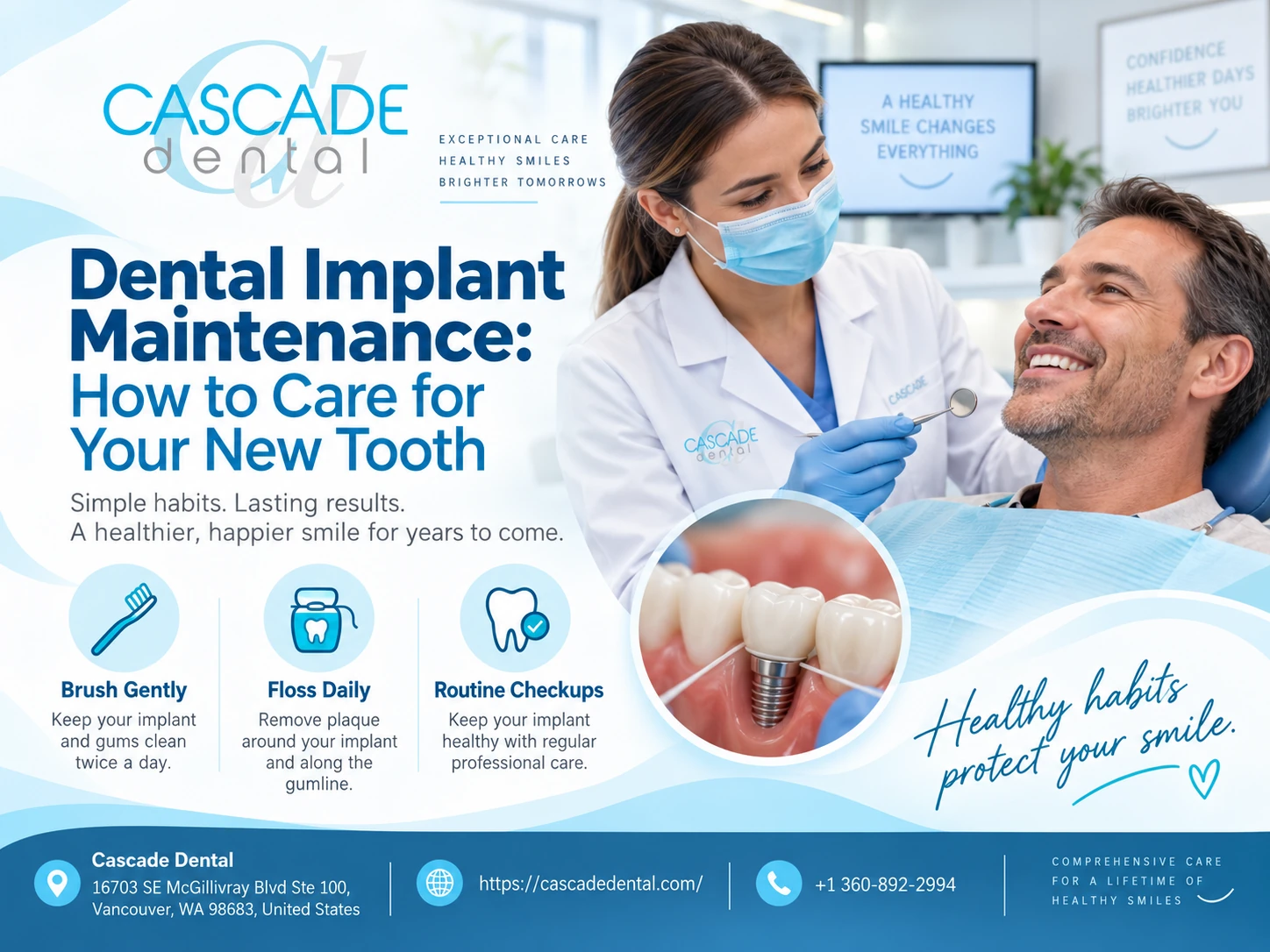
Maintaining good oral hygiene is essential for the success of your dental implants. You can:
- Gently brush your teeth the day after surgery
- Avoid the implant area initially
- Use a prescribed rinse if recommended
By following these guidelines, you can get back to your normal lifestyle while ensuring your implant heals properly.
What Can You Eat After Dental Implant Surgery?
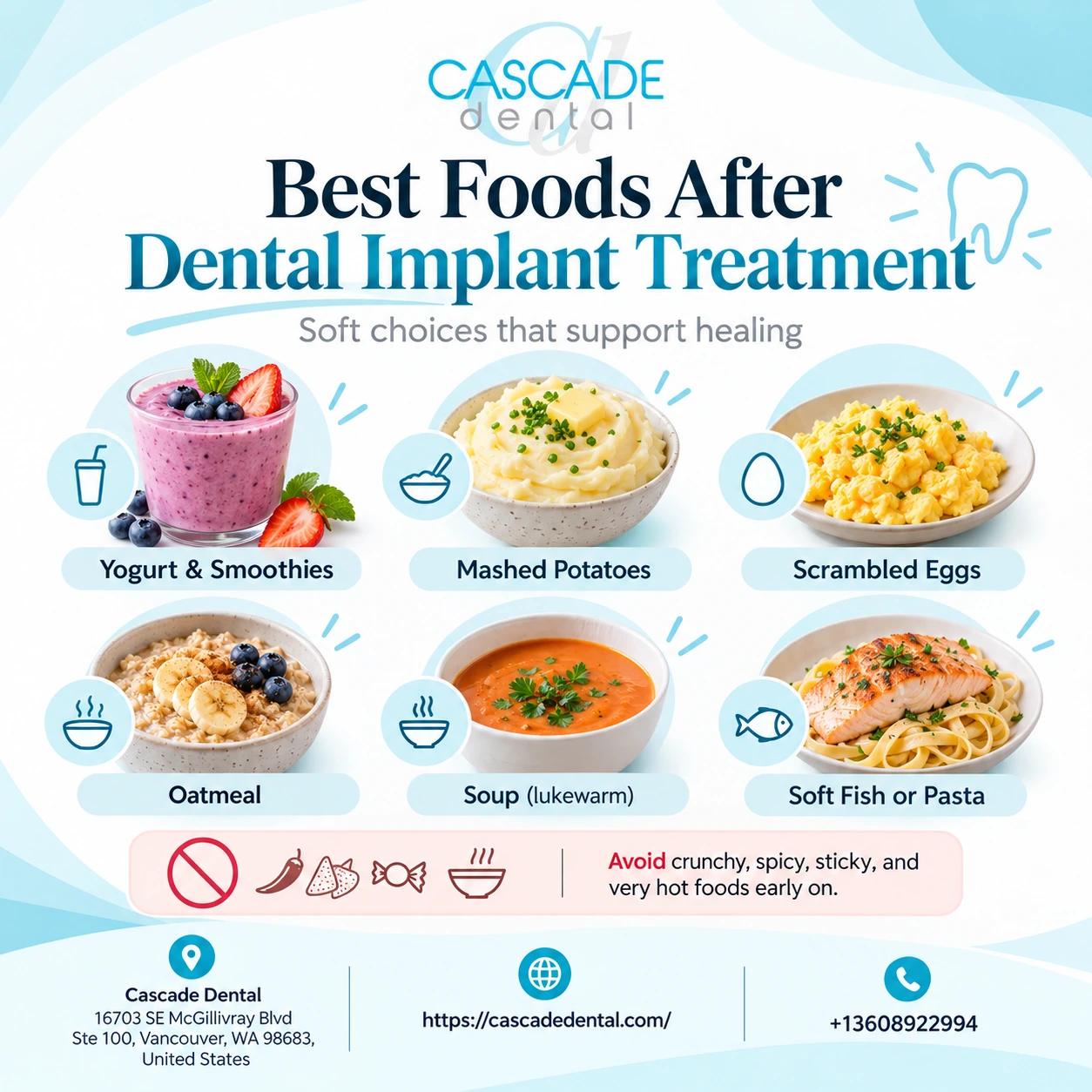
What Should You Eat Immediately After Dental Implant Treatment?
Immediately after dental implant surgery, the main goal is to avoid disturbing the surgical site.
Your mouth may feel tender, swollen, or numb for several hours after treatment. Because of this, softer foods are generally the safest option during the first part of recovery.
Good choices may include:
- Yogurt
- Applesauce
- Pudding
- Cottage cheese
- Smoothies
- Mashed potatoes
- Scrambled eggs
- Soft oatmeal
- Lukewarm soups
- Protein shakes
- Soft blended foods
Cool foods can sometimes feel soothing after surgery, especially during the first day. However, foods should not be extremely cold if that causes discomfort.
It is also usually best to avoid very hot foods and drinks during the early healing period. Excessive heat may irritate the surgical area and can be uncomfortable while the tissues are sensitive.
If you drink a smoothie or protein shake, your dentist may recommend avoiding a straw. The suction created when using a straw can place unnecessary pressure inside the mouth and may interfere with early healing in some situations.
Take small bites, eat slowly, and avoid chewing directly over the implant area whenever possible.
Which Soft Foods Are Best During Recovery?
Soft foods are helpful because they require less chewing and place less pressure on healing tissues.
The best choices also provide nutrients your body needs for recovery.
Protein-Rich Foods
Protein supports tissue repair and should be included when possible.
Options may include:
- Scrambled eggs
- Greek yogurt
- Cottage cheese
- Soft fish
- Tender shredded chicken when appropriate
- Protein shakes
- Soft tofu
As healing progresses, you may be able to introduce additional protein sources depending on your dentist’s recommendations.
Soft Fruits and Vegetables
Fruits and vegetables provide vitamins and minerals that support general health and healing.
Good options include:
- Applesauce
- Mashed banana
- Avocado
- Steamed vegetables
- Mashed sweet potatoes
- Cooked carrots
- Pureed vegetables
Avoid fruits with hard seeds or tough skins during the early stages of recovery.
Soft Carbohydrates
Soft carbohydrates can help provide energy while keeping chewing to a minimum.
Examples include:
- Oatmeal
- Mashed potatoes
- Soft pasta
- Rice cooked until very tender
- Soft bread without a hard crust
- Pancakes
- Cream of wheat
Be careful with foods that break into small, hard particles that could become trapped around the surgical site.
Soups and Broths
Soups can be an excellent choice during recovery as long as they are not extremely hot.
Consider options such as:
- Cream-based soups
- Blended vegetable soups
- Chicken broth
- Potato soup
- Soft noodle soup
Allow soups to cool to a comfortable temperature before eating.
What Foods Should You Avoid While Healing?
Certain foods can make recovery more difficult by irritating the surgical site, placing excessive pressure on the implant area, or becoming trapped around healing tissues.
During the early healing period, your dentist may recommend avoiding the following.
Crunchy Foods
Crunchy foods may create sharp fragments or require heavy chewing.
Examples include:
- Chips
- Pretzels
- Popcorn
- Hard crackers
- Raw vegetables
- Nuts
Small pieces can also become lodged near the surgical site.
Hard Foods
Hard foods may place too much force on the healing area.
Examples include:
- Hard candy
- Ice
- Tough crusty bread
- Hard nuts
- Uncooked vegetables
Chewing ice should generally be avoided even after healing because of the stress it can place on natural teeth and dental restorations.
Sticky and Chewy Foods
Sticky foods may pull on healing tissues or require prolonged chewing.
These may include:
- Caramel
- Taffy
- Chewing gum
- Sticky candy
- Very chewy meats
Spicy Foods
Spicy foods can irritate sensitive tissues and may cause discomfort during the first several days after surgery.
If you notice burning or irritation, wait until the area has healed further before reintroducing spicy foods.
Very Hot Foods and Drinks
Hot coffee, tea, soup, and freshly cooked foods can be uncomfortable immediately after surgery.
Allow foods and drinks to cool before consuming them.
Alcohol
Your dentist may advise you to avoid alcohol during the initial recovery period, especially if you are taking certain medications.
Always follow the postoperative instructions you receive from your dental team.
When Can You Return to Your Normal Diet?
Many patients want to know exactly when they can eat normally again, but the answer depends on the individual.
Some patients feel ready to eat more normally within a relatively short period. Others may need to remain on a softer diet for longer.
Several factors can affect the timeline, including:
- The number of implants placed
- The location of the implants
- Whether bone grafting was performed
- The condition of the surrounding bone
- The type of temporary restoration being used
- The patient’s overall health
- Individual healing speed
- Whether there were any complications
Your dentist should guide you through each stage of your diet.
It is important not to assume that feeling better means the implant is fully healed. The surface tissues may recover faster than the underlying bone.
Dental implants need time to develop a stable connection with the surrounding bone. This biological healing process continues beyond the period when most soreness has disappeared.
For that reason, follow your dentist’s recommendations even if your mouth feels comfortable.
Final Thoughts
While the recovery process after dental implants may take several months, the end result is a long-lasting, confident smile. Following the necessary aftercare instructions and allowing your jaw to heal properly will ensure the implants integrate smoothly.
Most patients find that they can return to their usual activities relatively quickly, with full recovery offering a stable, natural-feeling solution to missing teeth. With time and care, you can look forward to enjoying a more functional and beautiful smile.
Achieve Your Dream Smile with Dental Implants
Dental implants restore your smile with a long-lasting, permanent solution. While recovery requires some time, most patients quickly return to normal activities.
At Cascade Dental, we provide a tailored approach to help you through each step of the process—from your initial consultation to complete recovery. Our compassionate team is committed to making your experience as smooth and stress-free as possible. If you’re ready for a healthier, more confident smile, we’re here to guide you every step of the way!