Missing teeth can affect much more than the appearance of your smile. They may make chewing certain foods more difficult, change the way you speak, and leave you feeling less confident in everyday situations. For many patients, dentures offer a practical way to replace several missing teeth or an entire arch.
If you are exploring dentures in Vancouver, WA, you may have more choices than you realize. Complete dentures, partial dentures, and implant-supported options are designed for different needs. Understanding how each works can help you have a more productive conversation with your dentist and choose a solution that fits your oral health, lifestyle, and goals.
Missing Teeth? Restore Your Smile Today
Complete, partial, and implant-supported dentures can help restore your comfort and confidence. Call us today.
What Are Dentures?
Dentures are removable or implant-supported dental restorations designed to replace missing teeth and surrounding tissues. Depending on how many teeth are missing, they may replace an entire upper or lower arch or fill spaces left by several missing teeth.
Modern dentures are designed with both function and appearance in mind. They can help restore a more complete smile while improving your ability to chew and speak.
The right type of denture depends on factors such as how many natural teeth remain, the condition of those teeth, gum and bone health, and whether dental implants are an appropriate option.
What Are Complete Dentures?
Complete dentures, sometimes called full dentures, replace all the teeth in the upper jaw, lower jaw, or both.
They typically rest on the gums and are shaped to fit the contours of the mouth. An upper denture generally covers more of the palate, while a lower denture is designed around the tongue and lower ridge.
Who Might Need Complete Dentures?
Complete dentures may be considered when a patient has already lost all teeth in an arch or when remaining teeth cannot reasonably be maintained.
Before recommending complete dentures, a dentist needs to evaluate the condition of the mouth and discuss available tooth-replacement alternatives. In some cases, dental implants may provide additional support for a denture.
What Are Partial Dentures?
Partial dentures are designed for people who still have some healthy natural teeth.
Rather than replacing an entire arch, a partial denture fills the spaces created by missing teeth. It generally includes replacement teeth attached to a base and uses surrounding teeth for support or stability.
Partial dentures can restore missing areas while allowing healthy natural teeth to remain in place.
Why Replace Several Missing Teeth?
Leaving multiple spaces in the mouth may affect chewing and can change how forces are distributed across the remaining teeth. Replacing missing teeth can help restore function and create a more complete appearance.
Whether a partial denture, dental bridge, implant, or another restoration makes the most sense depends on your individual dental condition.
What Are Implant-Supported Dentures?
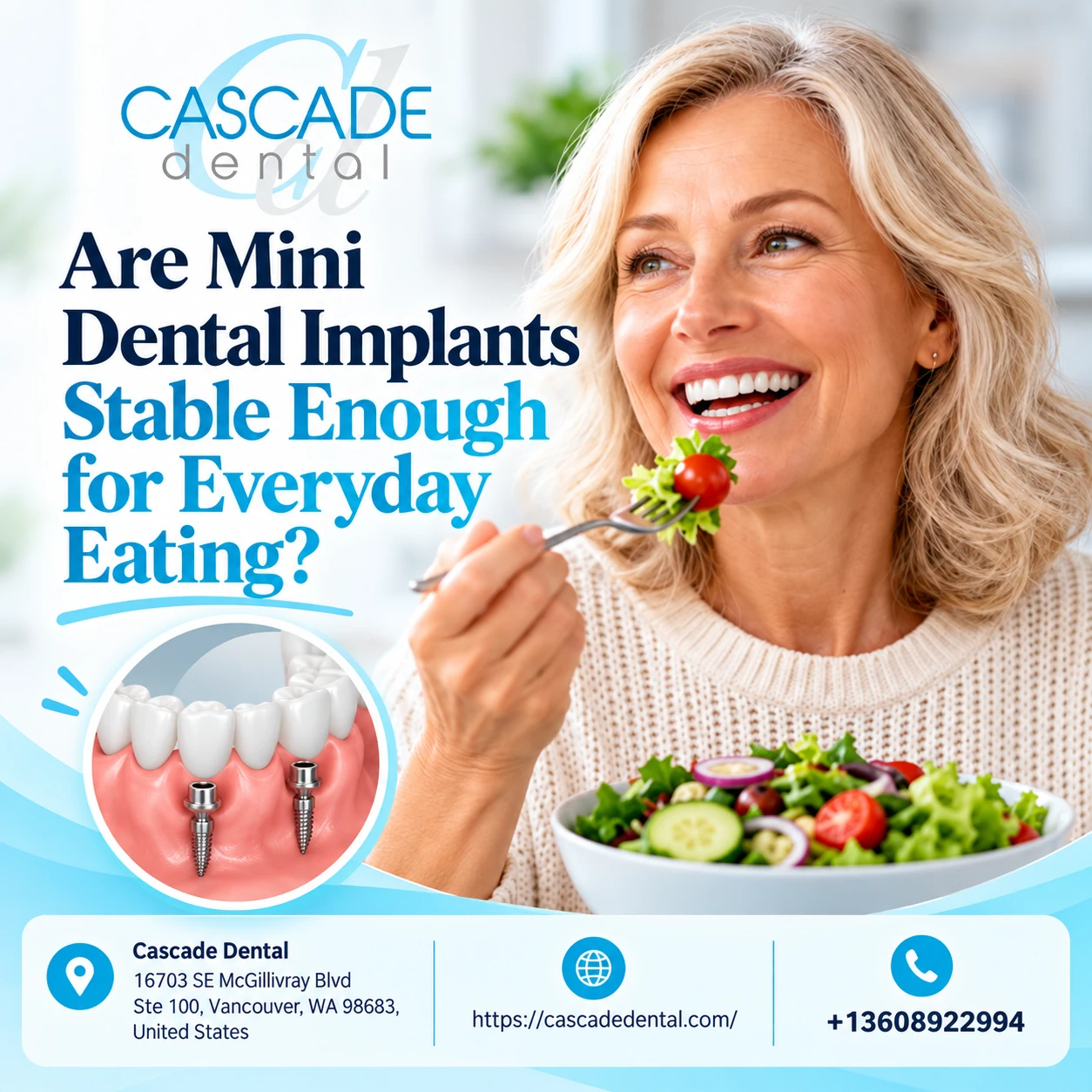
Implant-supported dentures use dental implants placed in the jawbone to provide additional support for a denture.
Traditional removable dentures primarily rely on the gums and shape of the mouth for support. Implant-supported options connect to implants, which can help improve stability.
The exact design varies. Some dentures can be removed by the patient for cleaning, while other implant-based restorations may be designed differently.
Patients interested in this option generally need an evaluation to determine whether dental implants are appropriate based on their oral health, bone structure, medical history, and treatment goals.
Are Implant-Supported Dentures More Stable?
One of the main reasons patients consider implant-supported dentures is increased stability.
A traditional denture can sometimes move during eating or speaking, particularly as the shape of the jaw and gums changes over time. Dental implants can provide additional anchorage for the restoration.
However, implant-supported treatment involves more than simply making a denture. The implants must be properly planned and placed, and healing may be necessary before the final restoration is completed.
Cascade Dental offers several dental implant treatments as part of its restorative dentistry services, making implant-based tooth replacement an option worth discussing during a personalized consultation.
How Are Complete, Partial, and Implant-Supported Dentures Different?
The biggest difference is how many teeth they replace and how they receive support.
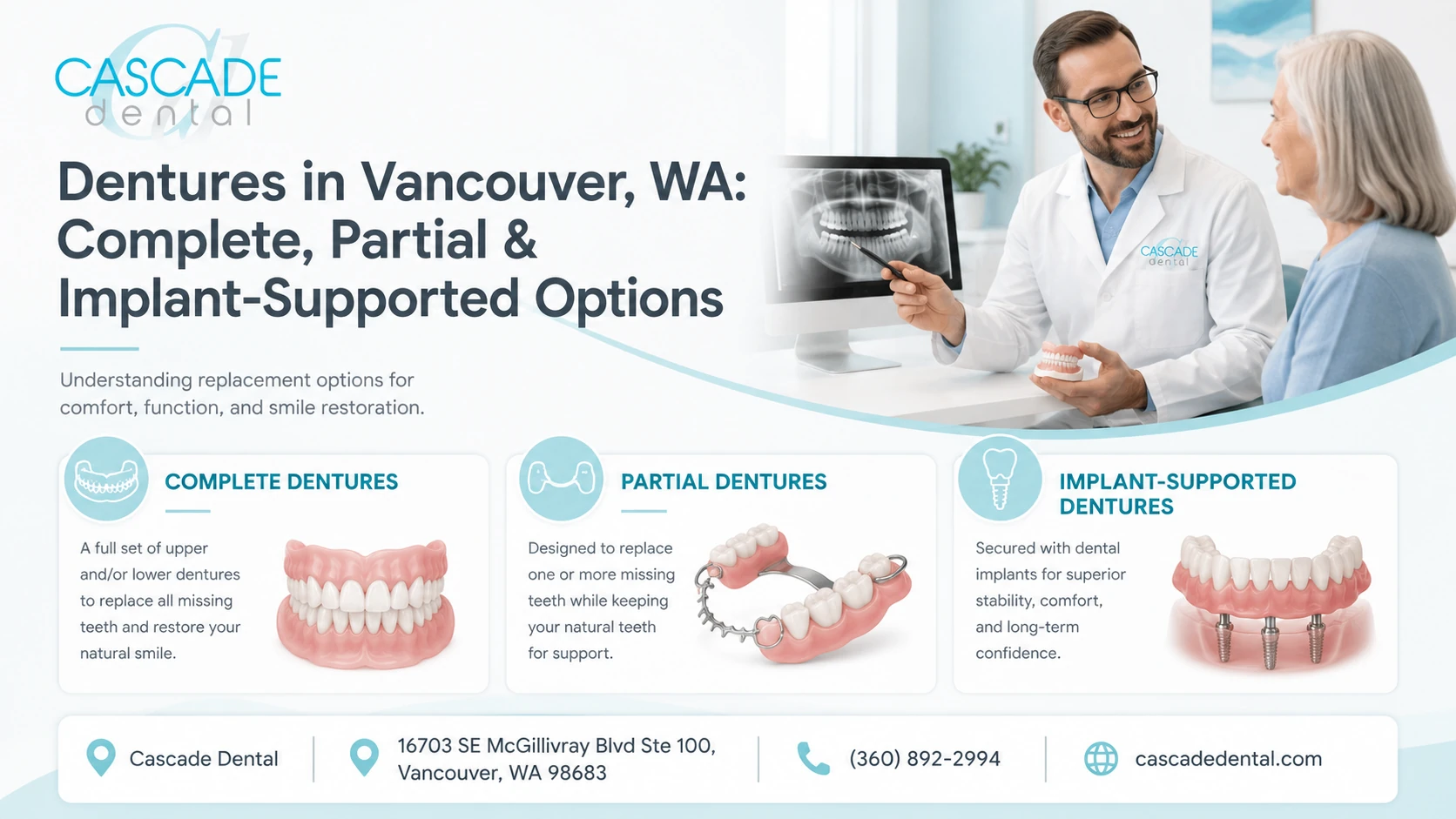
Complete dentures replace a full arch and typically rest on the gums. Partial dentures replace several missing teeth while working around natural teeth that remain. Implant-supported dentures use implants for additional stability and support.
Your decision should not be based only on which option sounds most advanced.
Your dentist may also consider:
- The number and location of missing teeth
- Health of remaining natural teeth
- Gum health
- Available jawbone
- Comfort and function
- Cleaning and maintenance needs
- Overall treatment goals
- Budget and financing considerations
A dental evaluation can help narrow the choices.
How Do Dentures Affect Eating and Speaking?
New dentures usually require an adjustment period.
At first, eating may feel different because your mouth is learning how to function with the new restoration. Starting with manageable foods and following your dentist’s instructions can make the transition easier.
Speech can also feel slightly different initially. Certain words may require practice while the tongue and surrounding muscles adapt.
Well-fitting dentures should support everyday function, but they do not feel exactly like natural teeth. If a denture causes persistent discomfort, looseness, or difficulty chewing, your dentist should evaluate the fit.
How Long Does It Take to Get Dentures?
The timeline depends on the type of denture and the condition of your mouth.
Traditional dentures may require examinations, impressions or digital records, planning, fitting appointments, and adjustments. If teeth need to be removed first, healing can also affect the timeline.
Implant-supported dentures generally require additional stages because dental implants must be planned and placed. Healing time may be needed before the implants can support the intended restoration.
Every case is different, so your dentist should provide a treatment timeline based on the procedures involved rather than relying on a standard estimate.

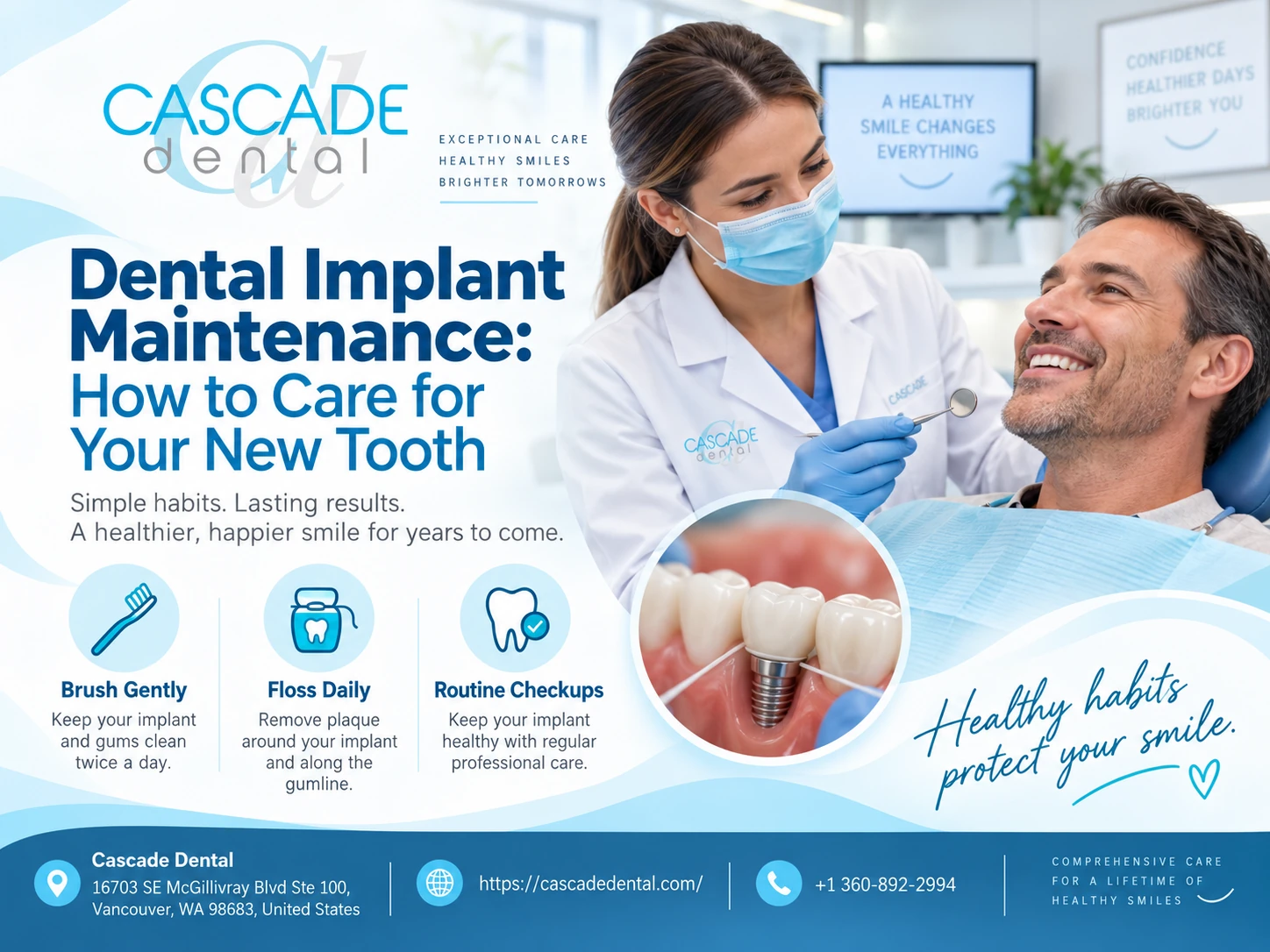
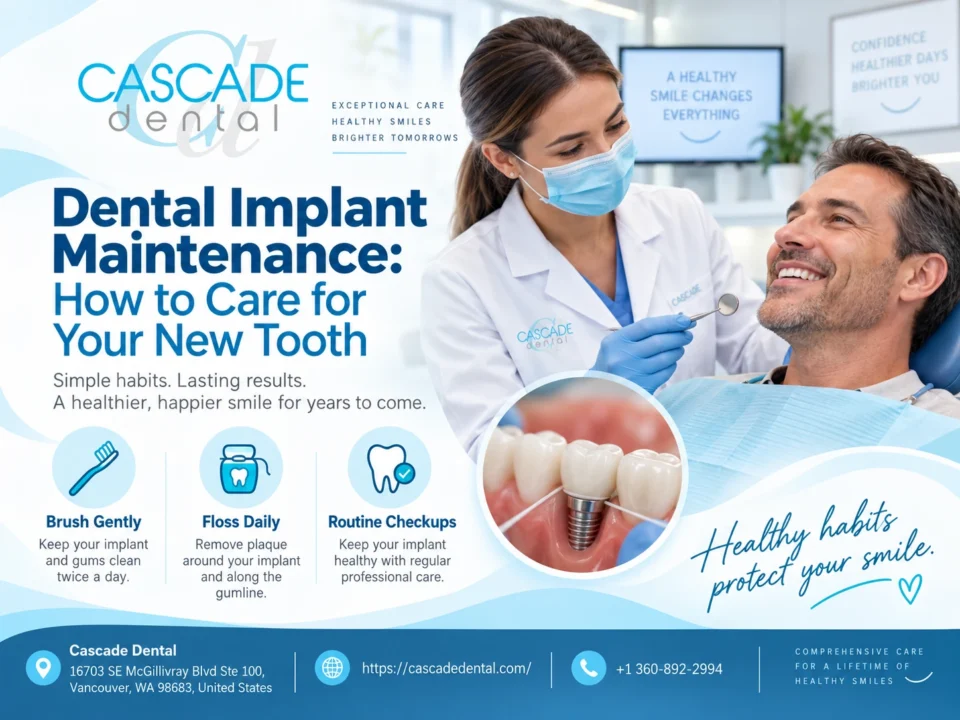
Dental Implant Maintenance: How to Care for Your New Tooth
Dental implants are designed to function much like natural teeth, but they still need consistent care to stay healthy. While…
How Do You Care for Dentures?
Dentures need regular cleaning even though they cannot develop cavities the same way natural teeth do.
Food debris and plaque can still collect on the restoration and surrounding tissues. Your dentist can explain how to clean your specific denture and whether it should be removed at certain times.
Patients with partial dentures must continue carefully cleaning their remaining natural teeth. Implant-supported restorations also require good oral hygiene around the implants and gums.
Regular dental visits remain important because your dentist can monitor the tissues, remaining teeth, bite, restoration, and overall oral health.
How Do You Know Which Denture Option Is Right for You?
The best tooth-replacement option depends on your individual situation.
Someone missing all teeth has different needs from a patient missing three or four teeth. Likewise, a person interested in dental implants needs a different evaluation than someone looking for a traditional removable restoration.
A comprehensive dental examination can help determine which options are realistic. During the visit, discuss what matters most to you, including comfort, appearance, stability, maintenance, treatment time, and budget.
Clear communication can help your dentist recommend solutions that match both your oral health needs and personal priorities.
Why Choose Dentures in Vancouver, WA?
Working with a local dental practice makes ongoing care more convenient because dentures may require follow-up visits and occasional adjustments.
Your mouth naturally changes over time. A denture that once fit comfortably may eventually feel different, particularly as gum and bone contours change.
Having an established Vancouver dentist gives you a place to return when questions or fit concerns arise. It also allows your denture care to remain connected with your preventive and restorative dental needs rather than treating tooth replacement as an isolated procedure.
What Other Tooth-Replacement Options Should You Consider?
Dentures are only one way to replace missing teeth.
Depending on how many teeth are missing and the condition of your mouth, alternatives may include dental bridges, individual dental implants, multiple-tooth implants, or more extensive implant-supported restorations.
No single solution is ideal for everyone. Some patients prioritize a removable option, while others want to explore implant-based treatment.
Learning about several choices before making a decision can help you better understand the differences in stability, maintenance, treatment requirements, and long-term care.
Find a Tooth-Replacement Plan That Fits Your Smile
Choosing between complete dentures, partial dentures, and implant-supported options can feel complicated, but you do not have to make the decision by yourself.
At Cascade Dental, we focus on helping Vancouver patients understand their restorative options and make informed decisions about their oral health. Our team provides comprehensive restorative care, including dental implants and other treatments for missing or damaged teeth.
If missing teeth are affecting your comfort, function, or confidence, schedule a visit with Cascade Dental. We can evaluate your smile, discuss the tooth-replacement approaches available to you, and help you determine which next step makes sense for your individual needs.
Ready for a Comfortable New Smile?
Explore denture options designed for a secure, natural-looking fit. Call today to schedule your consultation.