
A bad toothache is hard to ignore, but a severe toothache can feel impossible to deal with. It can hit suddenly, keep you up at night, and make even simple things like eating or talking uncomfortable.
When severe tooth pain in Vancouver, WA starts affecting your day, it is usually a sign that your tooth needs real attention. Waiting too long can make things worse and leave you dealing with more pain than necessary.
If you are looking for answers about severe toothache, understanding what to do next can help you protect your comfort and your oral health.
What Should You Do For an Extremely Bad Toothache?
If you have an extremely bad toothache, the first step is to stay calm and avoid doing anything that could make the pain worse. A severe toothache can feel overwhelming, especially when it starts suddenly or intensifies at night, but a few smart steps can help you manage the situation until you can see a dentist for emergency dentistry.
Start With Gentle Rinsing
Rinse your mouth gently with warm water to clear away food debris or anything trapped near the painful tooth. Sometimes irritation gets worse when food is stuck between teeth or around the gums. A gentle rinse can help reduce that extra pressure.
Floss Carefully Around the Area
If the pain seems to worsen when you bite down, something may be lodged between the teeth. Flossing carefully around the area can sometimes remove trapped debris that is adding to the discomfort. Be gentle. If the gums are already irritated, aggressive flossing can make things feel worse.
Use a Cold Compress on the Outside of the Face
If there is swelling or throbbing, placing a cold compress on the outside of your cheek may help reduce inflammation and numb the area slightly. Apply it in short intervals rather than holding it there continuously.
Use Over-the-Counter Pain Relief as Directed
Nonprescription pain relievers may help reduce severe tooth pain temporarily when taken exactly as directed on the label, unless your doctor has told you not to use them. This can be useful for short-term relief, but it is not a substitute for dental care.
Avoid Common Mistakes
When dealing with a severe toothache, avoid:
- placing aspirin directly on the gums
- applying very hot compresses
- chewing on the painful side
- eating very cold, sugary, or hard foods
- delaying care if swelling or worsening pain develops
Call a Dentist as Soon as Possible
This is the most important step. If the pain is intense, persistent, or getting worse, a dental exam is needed. A severe toothache in Vancouver, WA may signal infection, nerve involvement, or damage inside the tooth that will not heal on its own. Temporary relief measures are helpful for getting through the moment, but the real solution comes from identifying and treating the cause. You can also learn more about urgent next steps in what to do in the event of a dental emergency.
What Is The 3-3-3 Rule For Toothaches And Does It Work?
Many people search online for quick answers when they are in pain, and one phrase that comes up is the “3-3-3 rule” for toothaches. The problem is that this is not a reliable dental treatment and should not be trusted as a real solution for a serious tooth problem.
Why People Search for Shortcuts
When Severe Tooth Pain hits, people often want a simple trick they can use immediately. That is understandable. Tooth pain can be exhausting, distracting, and hard to manage. But online pain “rules” are often vague, inconsistent, and not based on actually treating the source of the issue.
It May Distract From the Real Problem
The biggest danger of relying on something like the 3-3-3 rule is that it may give false reassurance. A severe toothache is usually a symptom, not the underlying problem. The actual cause may be decay, infection, a fractured tooth, a failing filling, gum disease, or something else that needs professional evaluation.
Temporary Home Measures are Limited
There are home measures that may offer short-term comfort, such as:
- rinsing with warm water
- using a cold compress
- keeping the head elevated
- taking over-the-counter pain medicine as directed
These may help reduce discomfort temporarily, but they do not remove infection, repair damage, or stop the cause from progressing.
Real Treatment Comes From a Dentist
If you are experiencing severe toothache in Vancouver, WA, the smartest move is to view online hacks as temporary coping tools at best, not a treatment plan. A dentist can determine whether you need a filling, root canal, crown, extraction, gum treatment, or another type of care. That is what actually resolves the pain source.
What Kills a Tooth Infection Fast?
A tooth infection cannot truly be “killed fast” at home. That is one of the most important things to understand if you are dealing with a painful, swollen, or infected tooth.
The Infection Source Usually Has To Be Treated
When an infection forms in or around a tooth, there is usually an underlying dental problem that caused it. That might be deep decay, a crack, trauma, or advanced gum disease. Even if symptoms come and go, the infected area often remains until the tooth or surrounding tissue is properly treated.
Antibiotics May Help, But They are Not the Whole Answer
In some cases, antibiotics may be prescribed to help control a bacterial infection, especially if swelling is present or the infection appears to be spreading. But antibiotics alone often do not solve the dental problem. They may help calm the infection temporarily, but they do not remove decay, repair a crack, or clean out infected tissue inside the tooth.
This is why many people with a severe toothache feel better briefly, then have the pain come back later.
Dental Treatment is What Solves It
Depending on the cause, treatment may include:
- draining the infected area
- removing the source of infection
- performing a root canal
- restoring the tooth
- extracting the tooth if it cannot be saved
The right option depends on the exam findings. If you are experiencing Severe Tooth Pain with swelling, tenderness, pressure, or a bad taste in your mouth, you should not wait too long to get evaluated.
Warning Signs That Infection May Be Getting Worse
Seek prompt care if a Severe Toothache Vancouver WA is paired with:
- visible swelling in the gums or face
- fever
- trouble swallowing
- a bad taste or draining fluid
- pain that becomes constant and throbbing
- swelling that spreads or worsens
These signs can indicate a more serious infection that needs urgent dental or medical care.
How Can You Relieve Tooth Pain at Night and Get Better Sleep?
Nighttime is often when a Severe Toothache feels the worst. That happens because you are lying down, distractions are gone, and pressure in the head and mouth can feel more noticeable. While a dentist visit is still the real answer, there are ways to make the night more manageable.
Keep Your Head Elevated
Lying flat can sometimes increase blood flow and pressure in the painful area, making throbbing feel worse. Sleeping with your head elevated may reduce that sensation and make it easier to rest.
Avoid Eating Right Before Bed
If the tooth is sensitive or inflamed, eating late at night may trigger more pain, especially if the food is sugary, hard, crunchy, very cold, or very hot. Give your mouth a break before lying down.
Rinse Gently and Brush Carefully
Before bed, rinse gently with warm water and brush the area carefully. Keeping the mouth clean may help remove irritants that could worsen severe tooth pain overnight.
Use a Cold Compress
A cold compress on the outside of the face can help calm throbbing or swelling. Use it in short sessions rather than keeping it on too long.
Take Pain Relief as Directed
If you can safely take over-the-counter pain medication, using it exactly as directed may help you rest. Timing it appropriately before bed can be helpful, but do not exceed dosing instructions.
Know When Sleep Trouble Means You Should Not Wait
If the pain is so intense that you cannot sleep, or if it keeps waking you up, that is a sign the issue likely needs prompt attention. A severe toothache in Vancouver, WA that disrupts sleep is no longer just a mild irritation. It is affecting quality of life and may indicate inflammation or infection deep inside the tooth. For more on persistent pain and modern care options, see advanced tech for tooth pain relief.
When is a Toothache Considered a Dental Emergency?
Not every toothache is an emergency, but some absolutely are. Knowing what counts as a dental emergency can help you act quickly when it matters most and understand which symptoms require immediate attention.
It May Be an Emergency If Pain is Severe and Constant
If the pain is intense, throbbing, nonstop, or getting worse rapidly, it should be treated urgently. A severe toothache can point to infection, exposed nerves, or internal damage that will not improve on its own.
Swelling Is a Major Warning Sign
A toothache becomes more urgent when there is swelling in the gums, jaw, or face. Swelling can suggest infection, and infections in the mouth can spread if not addressed.
Fever, Trouble Swallowing, or Trouble Breathing Require Immediate Attention
If severe tooth pain is paired with fever, difficulty swallowing, or difficulty breathing, seek urgent help right away. These symptoms may suggest a more serious infection that needs immediate evaluation.
Trauma or a Broken Tooth Can Also Be Urgent
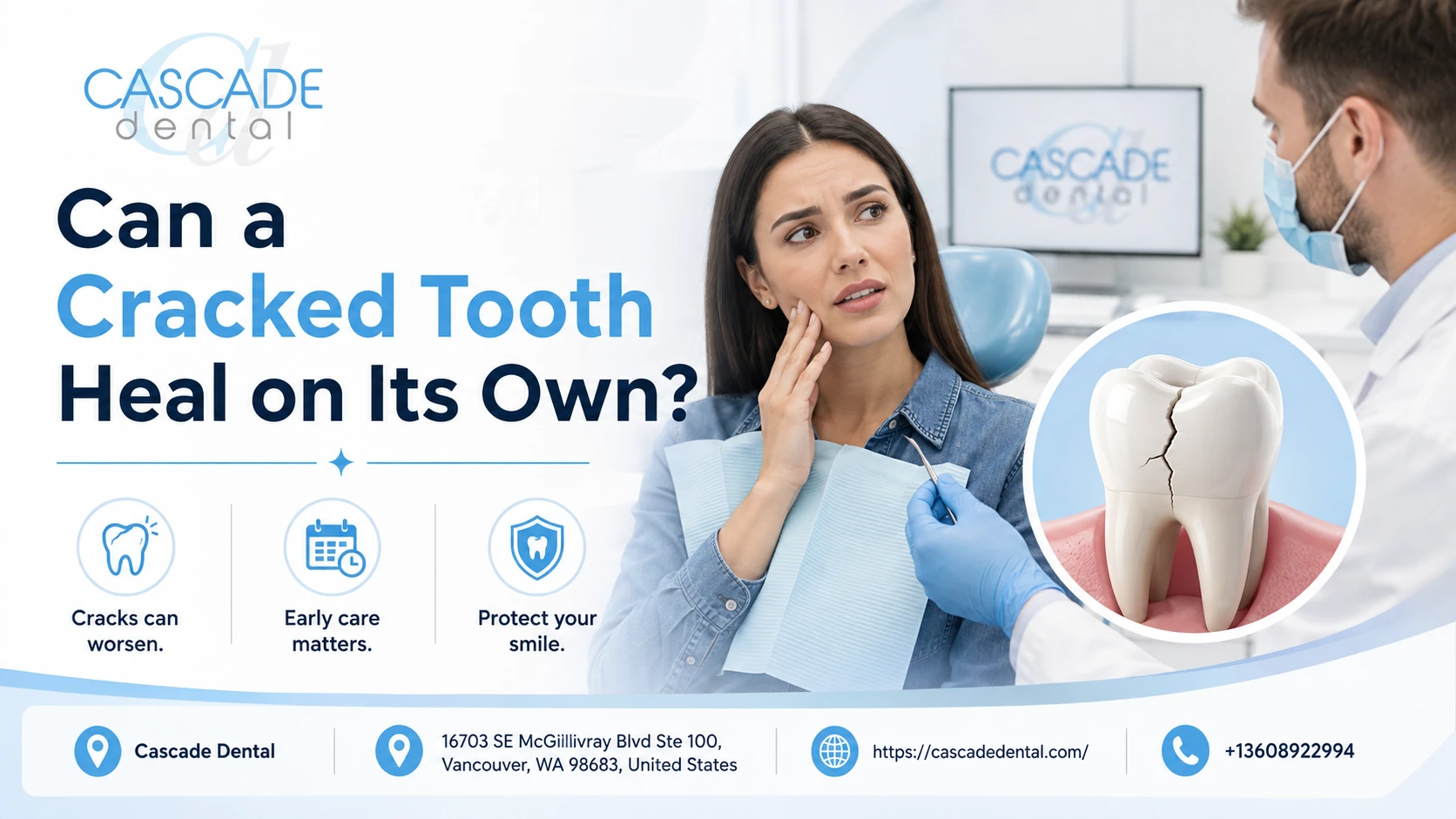
If the pain started after an injury, or if a tooth is cracked, broken, loose, or knocked out, that is also considered urgent. Fast treatment may improve the outcome.
Persistent Pain That Stops Normal Activities Should Not Be Ignored
A severe toothache in Vancouver, WA should be treated as urgent if it prevents you from:
- eating normally
- sleeping
- concentrating
- going to work
- functioning comfortably through the day
Pain that interferes with everyday life is not something to brush aside.
When in Doubt, Call a Dental Office
If you are unsure whether your symptoms count as an emergency, call a dental office and describe what is happening. A dental team can help you decide whether you need same-day care, urgent treatment, or emergency medical attention. In some cases, a tooth extraction may be recommended if the tooth cannot be saved.
Final Thoughts
A severe toothache is often a sign that something more serious is happening beneath the surface, such as infection, decay, a crack, or inflammation.
While rinsing, cold compresses, and pain relief may help for a short time, they do not solve the actual problem. Pain that lingers, worsens, causes swelling, or keeps you awake should not be ignored.
Getting care early can help relieve discomfort, prevent the issue from spreading, and reduce the chance of needing more complex treatment later. Prompt action can make recovery much easier.
Get the Relief You Need for Severe Tooth Pain
If you are dealing with severe tooth pain or searching for help with severe toothache in Vancouver WA, getting evaluated quickly can bring answers, relief, and a better chance of avoiding a more serious dental problem.
At Cascade Dental, we understand how disruptive and stressful severe dental pain can be. If you are dealing with a toothache that is intense, persistent, or getting worse, our team is here to help you get answers and the care you need.