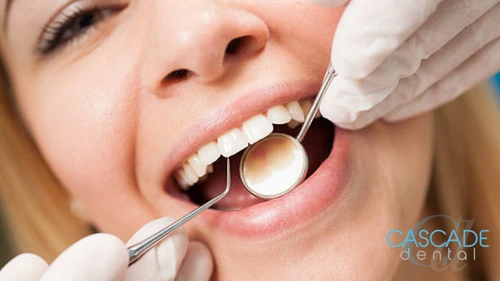
If you have been told you need a filling, the first question is usually the same: is this going to hurt? For most people the honest answer is no. The tooth is numbed before any work starts, and what you notice during the visit is pressure and vibration, not pain.
What you feel does change from one stage of the appointment to the next, and a few things can make a filling more or less comfortable. This guide walks through each step, what is normal afterward, and when soreness means you should call the office.
Think You Have a Cavity?
Small cavities are the quickest to treat. Call to book a visit with our Vancouver, WA team.
Quick Answer: Does Getting a Cavity Filled Hurt?
Getting a cavity filled should not hurt. Your dentist numbs the tooth and the gum around it with a local anesthetic, so the only part most people feel is a brief pinch from the injection. During the filling you may notice pushing, vibration, and water spray. Afterward, mild sensitivity to cold or biting is common for a few days and usually fades on its own.
Key Takeaways
- The numbing injection is the part people feel most, and it lasts a few seconds.
- Pressure and vibration during the filling are normal. Sharp pain is not, and you should tell your dentist right away if you feel it.
- Numbness usually wears off within a few hours of the visit.
- Sensitivity that eases over days is expected. Pain that gets worse, lingers, or shows up when you bite needs a check.
What You Feel at Each Step of a Filling
A filling follows the same basic sequence each time. Cleveland Clinic’s overview of dental fillings describes the dentist numbing the area, removing the decayed part of the tooth, and replacing it with filling material. Here is how each of those steps tends to feel in the chair.
| Step | What you may feel | How long it lasts |
|---|---|---|
| Numbing gel | A cool or slightly tingly spot on the gum | About a minute |
| Numbing injection | A quick pinch, then a spreading heavy or fat feeling in the lip or cheek | A few seconds for the pinch |
| Removing the decay | Vibration, pressure, water spray, and the sound of the handpiece | A few minutes for a small cavity |
| Placing the filling | Light pushing and a curing light held near the tooth | A few minutes |
| Checking the bite | Tapping your teeth together on colored paper while the dentist smooths high spots | One to two minutes |
| After the visit | Numb lip or tongue, then mild sensitivity to cold or chewing | Numbness for a few hours, sensitivity for days |
Does the Numbing Shot Hurt?
The injection is the step most people worry about, and it is also the shortest. A numbing gel is placed on the gum first so the surface is already dulled. You then feel a small pinch and a few seconds of pressure as the anesthetic goes in. Within a couple of minutes the area starts to feel heavy and thick.
Upper teeth usually numb quickly. Lower back teeth can take a little longer because the anesthetic has to reach a nerve that sits deeper in the jaw, so your dentist will often wait and test the tooth before starting.
What Does the Drilling Feel Like?
Once the tooth is numb, the nerve cannot send pain signals, but it can still register movement. That is why you feel vibration and pressure while the decay is being removed. Many people find the sound more bothersome than the sensation. Headphones or earbuds help if the noise makes you tense.
What if I Still Feel Something Sharp?
Say so, or raise your hand. A sharp zing means the tooth needs more anesthetic or more time, and that is easy to fix. You are never expected to sit through pain during a filling, and stopping for a moment does not cause any harm.
Why Some Fillings Are More Uncomfortable Than Others
- Depth of the cavity: A shallow cavity in the enamel is quick. Decay that has reached the softer dentin sits closer to the nerve and tends to leave the tooth more sensitive afterward.
- An already irritated tooth: A tooth that has been aching for a while can be harder to numb fully and may need extra anesthetic.
- Location: Back molars take longer to reach, so your jaw may feel tired from staying open.
- Dental anxiety: Tense muscles and a racing mind make every sensation feel bigger. Telling the team you are nervous lets them slow down and explain each step.
Catching decay early is the simplest way to keep a filling small. If you are not sure whether a spot on your tooth is a cavity, our guide on how to know if you have a cavity before it gets worse covers the early signs.

Nerve Damage in Mouth Symptoms: Warning Signs You Should Not Ignore
Nerve damage in the mouth can cause numbness, tingling, burning or ongoing pain. Some discomfort after dental treatment is normal,…
What to Expect After the Numbness Wears Off
Most people leave with a numb lip, cheek, or tongue that returns to normal within a few hours. Until feeling comes back, avoid chewing on that side so you do not bite your cheek, and be careful with hot drinks. We cover the timing in more detail in how long dental numbness lasts after a filling.
Once the anesthetic fades, these are all common and usually settle without treatment:
- A quick twinge with cold drinks, cold air, or sweets
- Mild soreness in the gum where the injection was given
- A tired jaw from holding your mouth open
- A tooth that feels slightly different when your teeth come together for the first day
An over-the-counter pain reliever, taken as the label directs, is enough for most people. If you are wondering when it is safe to eat on the new filling, see how long a dental filling takes to set.
When Pain After a Filling Is Not Normal
Sensitivity should get a little better each day. Call your dentist if you notice any of the following:
- Pain when you bite down that does not improve after a few days. The filling may be slightly high and can be smoothed in a short visit.
- Sensitivity that is still strong after two to three weeks
- A throbbing ache that starts on its own or wakes you at night
- Lingering pain after hot food or drinks
- Swelling in the gum or face, or a bad taste near the tooth
A deep cavity sometimes leaves the nerve too inflamed to recover, even after a well-placed filling. Our article on signs you may need a root canal, not just a filling explains how dentists tell the difference.
How to Make a Filling Appointment Easier
- Tell the team if you are nervous or have had trouble getting numb before.
- Agree on a hand signal that means stop.
- Bring earbuds and a playlist or podcast.
- Eat a light meal beforehand, since you will want to wait until the numbness fades before eating again.
- Book a time of day when you are not rushed.
Is It Worse to Wait?
Putting off a filling does not spare you discomfort. It usually postpones it and makes it bigger. MedlinePlus notes that untreated tooth decay can lead to pain, infection, and even tooth loss, and the National Institute of Dental and Craniofacial Research explains that decay which has formed a cavity will not heal by itself. A small filling today is a shorter, easier visit than the treatment a deeper cavity needs later. We go through that progression in what happens if you wait too long to fill a cavity.
Cavity Fillings in Vancouver, WA
Cascade Dental provides tooth fillings in Vancouver, WA for adults and children across Clark County. If you have been avoiding a filling because you are worried about pain, tell us when you book. Knowing that ahead of time lets the team plan extra time for numbing and talk you through each step.
FAQs About Cavity Filling Pain
Do fillings hurt without numbing?
Very shallow cavities can sometimes be treated without anesthetic, but most fillings are done with the tooth numbed. If you would rather not have an injection, ask your dentist whether your cavity is small enough for that to be comfortable.
How long does a filling hurt afterward?
Mild sensitivity commonly lasts a few days and can take a couple of weeks to disappear completely after a deeper filling. It should be improving, not getting worse.
Why does my tooth hurt when I bite after a filling?
The most common reason is a filling that sits slightly higher than the surrounding tooth. A quick bite adjustment usually solves it.
Is a filling more painful than a root canal?
Both are done with the tooth numbed, so neither should be painful during the procedure. A filling is shorter and treats decay before it reaches the nerve.
Do fillings hurt more for children?
Children feel the same pinch and pressure adults do. Preparing them in simple, calm terms helps, and we share tips in how to prepare your child for a dental filling.
Can I drive home after a filling?
Yes. Local anesthetic numbs only the area being treated and does not affect your alertness.
Schedule a Filling Visit at Cascade Dental
A cavity is easiest to treat while it is small. If you have a tooth that needs attention, or one you are unsure about, contact Cascade Dental to book a visit and let us know about any concerns so we can keep the appointment comfortable.
Ready to Get That Cavity Taken Care Of?
We will walk you through each step and keep you comfortable. Schedule your visit today.