Before choosing a dental implant treatment plan, ask your dentist about your eligibility, the recommended restoration, potential preparation procedures, treatment timeline, total costs, and long-term maintenance. Understanding these details can help you compare your options and make a decision that fits your oral health needs and budget.
At Cascade Dental, we help patients from Washougal, WA, explore their tooth replacement options with clear explanations and individualized recommendations. Knowing the right questions to ask before dental implant treatment can help you prepare for your consultation and understand what your proposed treatment involves.
Ready to Restore Your Smile?
Get expert guidance on your dental implant options. Call today to discuss a treatment plan that fits your needs.
Quick Answer: What Should You Ask Before Choosing an Implant Plan?
Before agreeing to dental implant treatment, you should understand why a particular approach is being recommended, what it involves, and how it compares with other tooth replacement options.
Dental implants can replace one tooth, several teeth, or an entire arch. However, the best approach depends on your jawbone, gum health, bite, medical history, treatment goals, and financial considerations.
Here is a practical checklist of questions to bring to your consultation:
- Treatment goals: What will this implant treatment help me achieve?
- Eligibility: Am I a suitable candidate based on my oral and overall health?
- Preparation: Will I need bone grafting, gum treatment, or tooth extraction first?
- Restoration: What type of implant-supported tooth or teeth are recommended?
- Timeline: How many appointments will I need, and how long could treatment take?
- Healing: What restrictions and follow-up visits should I expect?
- Costs: Does the estimate include the implant, abutment, restoration, and other necessary procedures?
- Financing: What insurance benefits or payment arrangements may be available?
- Maintenance: How should I care for the implant, and what future expenses should I anticipate?
You do not need to make every treatment decision during your first appointment.
Ask your dentist to explain the findings, available alternatives, and potential limitations before you commit to a plan.
What Is the Goal of My Dental Implant Treatment?
The first question to ask is what the proposed treatment is intended to accomplish.
Some patients want to replace one missing tooth, while others need to restore several teeth or improve the stability of an existing denture.
Understanding your primary goal helps clarify which treatment options deserve consideration.
Are You Replacing One Tooth or Several?
A single missing tooth may be replaced with an implant-supported crown.
When several adjacent teeth are missing, an implant-supported bridge may be considered.
Patients missing most or all teeth in an arch may have additional restoration options, including implant-supported dentures or fixed full-arch prostheses.
Each approach has different anatomical requirements, costs, and maintenance considerations.
What Matters Most to You?
Think about whether your main priorities involve:
- Improving chewing ability
- Replacing a visible missing tooth
- Supporting speech and everyday function
- Avoiding changes to neighboring teeth
- Improving denture stability
- Choosing a fixed rather than removable restoration
- Managing treatment costs and appointment requirements
Discuss these priorities with your dentist.
For example, a patient replacing a front tooth may place greater emphasis on appearance, while someone missing a back molar may prioritize chewing function.
What Should You Ask?
“What specific problems will this treatment address, and are there other options that could meet my goals?”
This question helps connect the proposed treatment to your actual needs rather than assuming every missing tooth requires the same solution.
Am I a Good Candidate for This Treatment Plan?
Dental implant eligibility depends on several clinical factors.
Although many adults can receive implants, certain oral health conditions or medical concerns may require additional evaluation.
What Will the Dentist Evaluate?
Your dentist may assess:
- Available jawbone height and width
- Gum health and periodontal history
- The condition of neighboring teeth
- Bite alignment and grinding habits
- Existing dental infections
- Medical conditions affecting healing
- Medications and tobacco use
Healthy gums and adequate supporting bone are important considerations, but having an existing health condition does not automatically prevent implant treatment.
For example, patients with well-managed diabetes may still qualify for implants.
Could My Health Affect the Treatment Plan?
Certain conditions or medications may influence healing, surgical planning, or follow-up requirements.
Your dentist may recommend coordination with your medical provider if additional information is needed.
Do not stop or adjust prescribed medications without medical guidance.
Questions Worth Asking
- What makes me a suitable or unsuitable candidate?
- Are there any concerns with my jawbone or gums?
- Could my medical history affect healing?
- Should existing dental problems be treated first?
- What factors could increase my risk of complications?
An individualized evaluation helps identify risks before treatment begins.
At Cascade Dental, our dental implant services include consultation and planning based on the patient’s anatomy, oral health, and replacement needs.
Will I Need Bone Grafting or Other Preparation?
Not every patient can proceed directly to implant placement.
Some people need additional dental treatment to create a healthier or more suitable implant site.
However, preparation procedures are recommended based on clinical findings rather than automatically included in every treatment plan.
When Is Bone Grafting Considered?
After losing a tooth, the surrounding jawbone can gradually decrease in volume.
If the available bone is insufficient for appropriate implant positioning, bone grafting may be considered.
Other procedures, such as ridge augmentation or sinus augmentation, may be necessary in selected situations.
These treatments can affect the overall timeline and cost.
What Other Preparation May Be Necessary?
Depending on your oral health, your dentist may recommend:
- Treating active gum disease
- Removing a tooth that cannot be preserved
- Addressing existing dental infections
- Evaluating teeth that have shifted into the missing-tooth space
- Performing additional imaging
- Coordinating with a specialist when appropriate
Questions Worth Asking
“Is any additional procedure necessary before the implant can be placed?”
You can also ask why the procedure is recommended, whether alternatives exist, how long healing may take, and whether the preparation is included in your written estimate.
Understanding these steps helps you plan for appointments and expenses that may occur before implant placement.
What Type of Implant Restoration Is Being Recommended?
Dental implants support several types of restorations, and the final replacement tooth is an important part of the treatment plan.
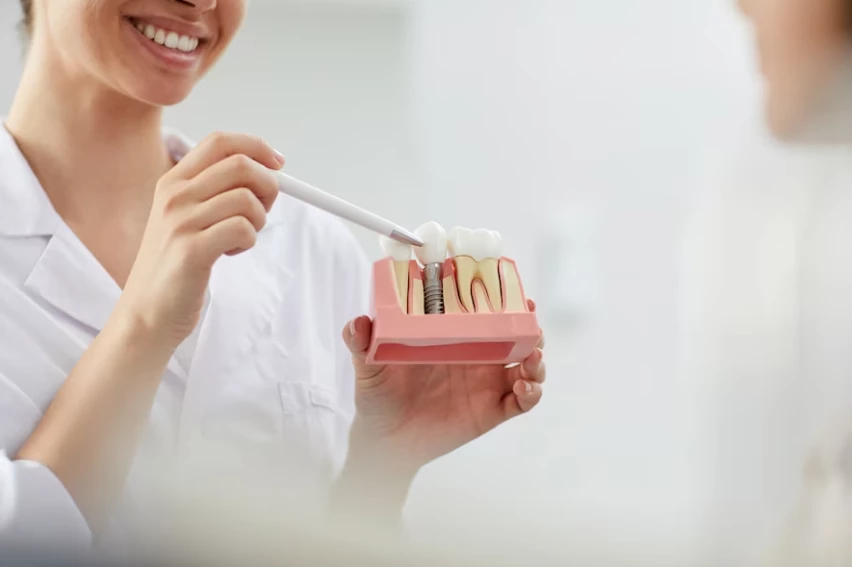
The implant post replaces the missing tooth root, while the restoration replaces the visible tooth structure.
Single Implant Crown
A single implant crown may be recommended when one tooth is missing and there is enough space and bone support.
The crown is designed to fit with neighboring teeth and provide appropriate chewing contact.
Implant-Supported Bridge
An implant-supported bridge may replace several missing teeth using implants as supporting anchors.
The number and location of the implants depend on the available bone and planned restoration.
Implant-Supported Denture or Full-Arch Restoration
Patients missing many teeth may have options involving implant-supported dentures or fixed full-arch restorations.
These approaches differ in removability, cleaning requirements, maintenance, and cost.
Questions Worth Asking
- Why is this restoration recommended for me?
- Will the replacement be fixed or removable?
- What materials will be used?
- How will the restoration affect my bite?
- How should I clean beneath or around it?
- Could a traditional bridge or denture be a reasonable alternative?
A patient should understand not only how the implant is placed but also how the final restoration will function during everyday activities.
How Long Could the Treatment Process Take?
Dental implant treatment often takes several months because the implant may need time to integrate with the surrounding jawbone.
However, the overall timeline depends on your individual treatment plan.
At Cascade Dental, a typical implant process may take approximately three to nine months, although complex cases can take longer.
What Are the Main Treatment Stages?
Depending on the case, treatment may include:
- Consultation and dental imaging
- Any necessary extraction or site preparation
- Implant placement
- Healing and osseointegration
- Abutment and restoration planning
- Final crown, bridge, or denture placement
- Follow-up and maintenance
Some appointments or stages may be combined when clinically appropriate.
What Could Extend the Timeline?
Bone grafting, existing dental infections, medical conditions, or unexpected healing issues may require additional time.
Some patients qualify for immediate or early temporary restorations, but these approaches are not suitable for everyone.
Questions Worth Asking
“What is the estimated treatment timeline for my case, and what could cause it to change?”
Ask how many appointments you may need, whether you will have a temporary tooth, and how long you may need to wait before normal chewing is recommended.
A realistic timeline helps you plan around work, travel, and personal responsibilities.
What Should I Expect During Healing and Follow-Up?
Healing is an important part of implant treatment, and patients should understand what to expect after placement.
The surrounding jawbone gradually forms a stable connection with the implant through a process called osseointegration.
This process can take several months.

Am I Too Old for Dental Implants?
If you have been living with missing teeth for years, you may wonder whether you have waited too long to…

What Is Normal During Recovery?
Some tenderness, swelling, or minor bleeding may occur after implant placement.
These symptoms generally improve as the surgical area heals.
Your dentist will provide instructions about eating, oral hygiene, medications, and activities that may affect recovery.
Will I Need Follow-Up Appointments?
Yes. Follow-up appointments allow the dentist to monitor healing and evaluate the condition of the implant and surrounding tissues.
The schedule depends on the treatment plan and individual healing progress.
What Warning Signs Should I Report?
Contact your dentist if you experience:
- Increasing or persistent pain
- Swelling that worsens instead of improving
- Unusual drainage or persistent bleeding
- Fever with dental symptoms
- A loose temporary restoration
- Movement involving the implant itself
Severe swelling that affects breathing or swallowing requires emergency medical attention.
Questions Worth Asking
Ask which symptoms are expected, when to contact the office, whether you will need time away from work, and who to contact if complications develop.
You should also ask which activities or foods may need to be avoided during healing.
What Costs Are Included in the Treatment Plan?
One of the most important questions to ask before dental implant treatment concerns the complete cost of care.
A quoted price may include different services depending on the practice and the patient’s treatment needs.
For this reason, request a written estimate that identifies the proposed procedures and associated fees.
What May Contribute to Implant Costs?
The total cost may include:
- Consultation and diagnostic imaging
- Tooth extraction, when necessary
- Bone grafting or additional preparation
- Implant placement
- Abutment components
- Temporary restorations
- Final crown, bridge, or denture
- Specialist services, when required
- Follow-up appointments
- Additional treatment if complications occur
Not every treatment plan includes all these items.
Why Should You Request an Itemized Estimate?
An itemized estimate helps you understand which services are included and which may be billed separately.
For example, the cost of implant placement may not always include the final dental crown.
Similarly, bone grafting or specialist treatment may be quoted separately.
Questions Worth Asking
“Does the quoted cost include every planned stage, from consultation through the final restoration?”
Other helpful questions include:
- Which services are included in the estimate?
- Are imaging and preparatory procedures billed separately?
- Could additional costs arise during treatment?
- What happens financially if the treatment plan changes?
- Are future repairs or replacement components covered by any practice policy?
A clear financial discussion helps you compare treatment options based on their full costs rather than an incomplete starting price.
What Payment or Financing Options Are Available?
Dental implant treatment can represent a significant financial commitment.
Understanding available payment arrangements can help you determine whether the proposed plan fits your budget.
Will Dental Insurance Cover Implants?
Coverage varies depending on the insurance policy.
Some dental plans may contribute toward certain implant-related procedures, while others provide limited coverage or exclude implants.
Your insurance carrier may also apply annual maximums, waiting periods, or other restrictions.
Cascade Dental works with numerous dental insurance providers and can help patients review their available benefits.
However, insurance estimates are not guarantees of payment.
Does Cascade Dental Offer Financing?
Cascade Dental lists several payment options, including cash, checks, credit cards, debit cards, and third-party financing through CareCredit.
Financing availability and terms may depend on eligibility and the financing agreement.
Patients should review any applicable interest rates, repayment periods, and conditions before choosing a financing option.
What Should You Ask About Payments?
- What insurance benefits may apply to my treatment?
- What amount will I be responsible for paying?
- When are payments due?
- Are monthly payment arrangements available?
- Will financing involve interest or additional fees?
- Are there payment options for patients without dental insurance?
You can review Cascade Dental’s payment options or contact our office to discuss the arrangements currently available.
The most suitable financial approach depends on your coverage, budget, and proposed treatment.
What Questions Should I Ask About Long-Term Maintenance?
Dental implant care does not end when the final restoration is attached.
Although implants cannot develop cavities like natural teeth, the surrounding gums and supporting bone can still develop problems.
Long-term maintenance is an important consideration when choosing treatment.
What Daily Cleaning Will Be Necessary?
Most patients need to brush twice daily and clean around their implant restorations using appropriate interdental cleaning tools.
Depending on the restoration, your dentist may recommend floss, interdental brushes, or another cleaning aid.
Implant-supported bridges and full-arch restorations may require additional cleaning techniques.
Will I Need Regular Dental Visits?
Yes. Professional evaluations help monitor the implant, surrounding gums, bone support, and restoration.
Some patients need more frequent maintenance based on their periodontal history, smoking habits, diabetes management, or other risk factors.
Can Implant Restorations Need Repairs?
Yes. Implant-supported crowns, bridges, and other components can experience wear, chipping, fractures, or loosening.
Although many implants function for years, no restoration is guaranteed to last indefinitely.
Future repair or replacement costs are worth considering.
Questions Worth Asking
“What will I need to do to keep my implant and restoration healthy over time?”
Also ask:
- How frequently should I schedule maintenance visits?
- Which cleaning tools should I use?
- Could grinding or clenching affect the restoration?
- What symptoms should prompt an appointment?
- What happens if a crown or component needs repair?
- What ongoing maintenance costs should I expect?
Understanding long-term responsibilities helps you decide whether the recommended restoration fits your lifestyle.
Dental Implant Planning in Washougal, WA
Choosing a dental implant treatment plan involves more than deciding to replace a missing tooth.
At Cascade Dental, we help patients from Washougal, WA, and surrounding Vancouver communities understand their options before beginning restorative treatment.
Our team reviews your dental and medical history, examines your oral health, and evaluates the condition of your jawbone and missing-tooth areas.
We discuss your goals, explain suitable treatment approaches, and review any additional preparation that may be necessary.
Patients can also ask questions about expected healing periods, restoration options, estimated costs, and payment arrangements.
If dental implants are not the most appropriate choice, we can discuss other tooth replacement options based on your oral health and preferences.
Our office is located at 16703 SE McGillivray Blvd, Suite 100, Vancouver, WA 98683, in the Fisher’s Landing area of east Vancouver.
We welcome patients from Washougal, Camas, Mill Plain, Fisher’s Landing, and nearby communities who want to explore dental implant treatment.
Our goal is to help you understand the available options, potential risks, and expected responsibilities before choosing a plan.
FAQs About Choosing a Dental Implant Treatment Plan
What is the most important question to ask before dental implants?
Ask whether the recommended treatment is appropriate for your oral health and goals. Your dentist should explain the benefits, risks, alternatives, estimated timeline, and complete costs.
Should I get a second opinion before dental implants?
You can request a second opinion, particularly for complex or expensive treatment plans. Another evaluation may help you better understand the available options and recommendations.
How do I know which dental implant option is best?
The appropriate option depends on how many teeth are missing, jawbone support, gum health, bite conditions, and personal preferences. A dental examination helps identify suitable approaches.
Can I choose a cheaper dental implant treatment plan?
You can discuss alternative treatments and costs with your dentist. However, decisions should account for clinical suitability, restoration quality, long-term maintenance, and potential additional expenses.
Does dental insurance usually pay for implants?
Coverage varies by policy. Some plans contribute toward implant treatment, while others have exclusions or limitations. Ask your dental office to help review your benefits before proceeding.
Can I change my implant treatment plan after the consultation?
Often, yes. Treatment plans may be revised when additional findings arise or your preferences change. However, changes after treatment begins may affect costs, timing, and available options.
Discuss Your Dental Implant Treatment Plan With Cascade Dental
Choosing dental implant treatment is an important decision, and understanding your options can help you feel more prepared.
At Cascade Dental, we help patients from Washougal, Vancouver, Camas, and surrounding communities explore tooth replacement options based on their oral health, treatment goals, and individual circumstances.
Our team will evaluate your dental needs, explain the recommended approach, and answer your questions about preparation, healing, restoration choices, and long-term care.
We can also review estimated treatment costs and discuss available payment options so you understand the financial considerations before proceeding.
Whether you are replacing one tooth or several missing teeth, we want you to have the information needed to make a confident, informed decision.
Call Cascade Dental at (360) 892-2994 or contact our office to schedule a dental implant consultation and discuss your treatment options.
Don't Guess About Dental Implants!
Get answers about implant costs, procedures, and recovery. Call today for professional guidance before choosing your treatment.