

Yes, you can get dental implants with diabetes, especially when your blood sugar is well managed and your gums and jawbone are healthy. Diabetes does not automatically prevent implant treatment, but it can affect healing and increase the risk of certain complications when blood sugar levels remain consistently elevated.
At Cascade Dental, we help patients in Fisher’s Landing, WA, explore tooth replacement options based on their individual health needs. Understanding how diabetes affects healing, gum health, and implant planning can help you prepare for treatment and make informed decisions with your dental and medical providers.
Missing Teeth? Get Your Smile Back!
Diabetes doesn't always rule out dental implants. Call now to explore safe, personalized treatment options!
Quick Answer: Can People With Diabetes Get Dental Implants?
Yes. People with type 1 or type 2 diabetes may qualify for dental implants when their overall health, oral condition, and blood sugar management support treatment.
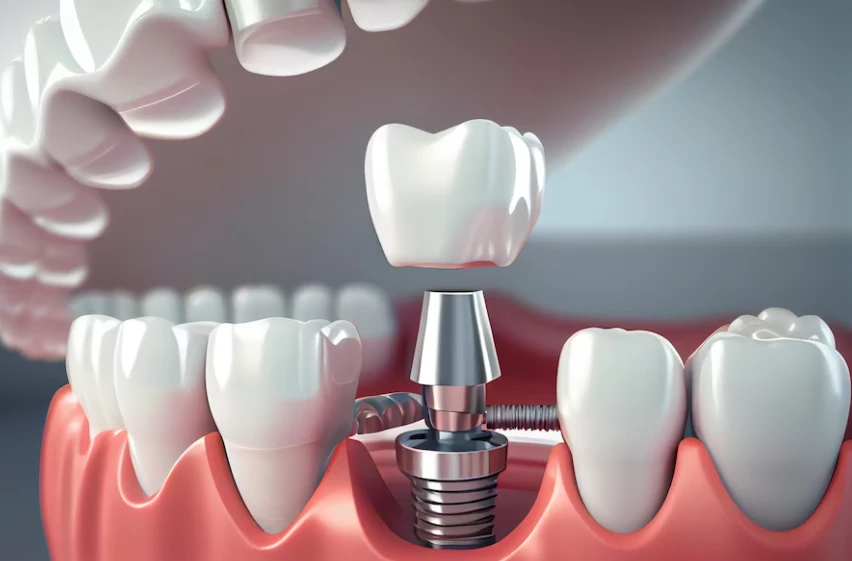
Dental implants replace missing tooth roots with posts that integrate with the jawbone. This healing process requires healthy surrounding tissues and an appropriate biological response.
Diabetes can influence these conditions, particularly when blood glucose levels are poorly controlled.
Before recommending implants, your dentist will consider:
- Blood sugar management: How consistently your glucose levels are controlled.
- HbA1c results: A blood test that reflects average blood glucose levels over approximately three months.
- Gum health: Whether periodontal disease or active inflammation is present.
- Jawbone support: Whether sufficient bone is available for implant placement.
- Medical conditions: Whether other health concerns could affect healing.
- Medications: How your diabetes treatment and other medications may influence appointment planning.
- Healing history: Whether you have experienced delayed healing or complications after previous procedures.
Many patients with well-managed diabetes achieve successful implant outcomes.
However, uncontrolled diabetes may increase the likelihood of healing difficulties, inflammation, and implant-related complications.
A personalized evaluation is necessary to determine whether treatment should proceed or whether additional medical or dental management would be beneficial.
How Diabetes Can Affect Healing
Dental implants depend on a biological healing process called osseointegration.
During osseointegration, the surrounding jawbone heals and forms a stable connection with the implant surface.
This process generally takes several months and is essential for supporting the final restoration.
How High Blood Sugar Affects Healing
When blood glucose remains elevated, several biological processes involved in healing may become less efficient.
Poorly controlled diabetes can affect:
- Blood circulation in small blood vessels
- Immune system responses
- Inflammation regulation
- Collagen formation and tissue repair
- Normal bone healing and remodeling
These changes may make it more difficult for the body to recover from surgical treatment.
However, the severity of these effects varies depending on blood sugar management and individual health conditions.
Does Diabetes Slow Osseointegration?
It can.
Research suggests that poorly controlled diabetes may delay bone healing around dental implants and increase the risk of complications.
However, patients with well-controlled diabetes often experience favorable implant healing and survival rates.
Having diabetes does not mean an implant will automatically take longer to heal.
Your dentist will consider your medical history, implant stability, and clinical progress when determining the appropriate healing timeline.
Can Healing Take Longer Than Expected?
Yes. Some patients may require additional monitoring or a longer healing period before the final restoration is placed.
The decision depends on the condition of the implant site and how healing progresses.
Your dentist will explain what signs of healing to expect and when follow-up evaluation is necessary.
Does Blood Sugar Control Matter for Implant Treatment?
Yes. Blood sugar management is one of the most important considerations when planning dental implants for patients with diabetes.
Research generally shows that patients with better glycemic control have more favorable implant outcomes than those with persistently elevated blood glucose.
What Is HbA1c?
Hemoglobin A1c, commonly called HbA1c or A1C, is a blood test that estimates average glucose levels over the previous two to three months.
Dentists may review a recent A1C result to better understand a patient’s diabetes management.
The result helps inform treatment planning, but it is not the only factor used to determine eligibility.
Is There an A1C Requirement for Dental Implants?
There is no universally accepted A1C cutoff that guarantees implant success or automatically rules out treatment.
Some research has found that patients with A1C levels around 7% or lower often experience outcomes comparable to patients without diabetes.
Higher A1C levels, particularly above 8%, have been associated with increased peri-implant complications in some studies.
However, these values are not universal eligibility thresholds.
Your dentist and medical provider will consider your individual blood sugar targets, health history, and treatment risks.
What Happens if Blood Sugar Is Poorly Controlled?
If your glucose levels are consistently elevated, your dentist may recommend delaying elective implant placement until your diabetes is more stable.
This additional planning is intended to reduce avoidable risks.
The recommendation does not necessarily mean implants are permanently unavailable.
Improved diabetes management may allow treatment to be reconsidered following an updated evaluation.
Can Diabetes Increase the Risk of Infection?
Yes. Poorly controlled diabetes can increase susceptibility to certain infections and make it more difficult for the body to manage inflammation.
For dental implant patients, this is particularly important because the gums and supporting bone need to remain healthy throughout treatment and afterward.
Infection During Healing
Following implant placement, the surgical area must heal properly.
Elevated blood glucose can interfere with immune responses and potentially increase the risk of postoperative complications.
However, not every patient with diabetes develops an infection after dental surgery.
Inflammation Around Dental Implants
After healing, the tissues surrounding an implant can develop inflammatory conditions.
Two important conditions include:
Peri-implant mucositis: Inflammation affecting the gum tissue around an implant without progressive loss of supporting bone.
Peri-implantitis: Inflammation involving the surrounding tissues along with progressive loss of supporting bone.
Poor glycemic control is associated with an increased risk of peri-implant inflammation and less favorable tissue health.
What Warning Signs Should Patients Watch For?
Contact your dentist if you notice:
- Increasing swelling around an implant
- Persistent or worsening pain
- Pus or drainage near the treatment site
- Repeated gum bleeding
- Persistent redness or tenderness
- A restoration that feels loose
- Fever or other symptoms suggesting infection
Some discomfort and swelling may occur during normal postoperative healing, but symptoms that worsen rather than improve deserve prompt evaluation.
Severe facial swelling or difficulty breathing or swallowing requires emergency medical attention.
How Gum Health Affects Implant Planning
Healthy gums play an important role in dental implant treatment, especially for patients with diabetes.
Diabetes and periodontal disease have a two-way relationship.
Poor blood sugar control can increase the risk and severity of gum disease, while periodontal inflammation may make diabetes management more difficult.
Why Periodontal Disease Matters
Periodontitis is an inflammatory disease that damages the tissues and bone supporting natural teeth.
Patients with a history of periodontitis may also have a greater risk of developing complications around dental implants.
This does not mean previous gum disease automatically prevents implant treatment.
However, active periodontal problems should generally be managed before elective implant placement.
What Does the Dentist Check?
During an evaluation, your dentist may look for:
- Bleeding or swollen gums
- Periodontal pockets
- Gum recession
- Plaque and tartar buildup
- Bone loss around existing teeth
- Signs of active dental infection
Dental X-rays may also be recommended to assess the condition of the supporting bone.
Can Gum Treatment Help Before Implants?
Yes. Addressing active gum disease may improve the condition of the oral tissues before implant placement.
Depending on your diagnosis, treatment may involve professional cleaning, scaling and root planing, or ongoing periodontal maintenance.
At Cascade Dental, our periodontal treatment services help patients manage gum inflammation and periodontal health concerns.
The goal is to establish healthier oral conditions before proceeding with restorative treatment.

Can You Get Dental Implants If You Grind Your Teeth?
Yes, you can get dental implants if you grind your teeth, but your dentist may need to take additional precautions…
What Risk Factors Do Dentists Evaluate?
Diabetes is only one part of determining whether dental implants are suitable.
Your dentist will review several factors that can influence treatment outcomes.
Diabetes Management and Medical History
We may ask how long you have had diabetes, what medications you take, and whether you have experienced complications related to your condition.
Recent A1C results and your usual glucose monitoring routine may also be discussed.
Smoking and Tobacco Use
Smoking can interfere with tissue healing and is associated with increased implant complications.
When combined with poorly controlled diabetes, smoking may create additional concerns.
Your dentist may discuss smoking cessation as part of treatment preparation.
Existing Gum Disease
Untreated periodontal disease can affect the surrounding tissues and supporting bone.
Controlling active inflammation before implant placement is an important consideration.
Jawbone Quantity and Quality
Dental implants require an appropriate amount of healthy bone for positioning and stability.
If bone loss has occurred after tooth extraction or periodontal disease, additional preparation may be necessary.
Other Medical Conditions
Kidney disease, cardiovascular concerns, immune-related conditions, and certain medications may influence treatment decisions.
These factors do not always prevent implants, but they may require additional medical input.
Previous Healing Problems
A history of delayed wound healing, recurring infections, or complications following dental surgery may influence the treatment plan.
Your dentist will evaluate the complete medical and dental picture rather than making recommendations based on a diabetes diagnosis alone.
When Is Additional Implant Preparation Needed?
Some patients need dental treatment or additional evaluation before receiving implants.
However, diabetes does not automatically mean bone grafting or other preparatory procedures are necessary.
Recommendations depend on the condition of the mouth and the proposed implant site.
Managing Existing Dental Problems
Untreated decay, active gum disease, or dental infections may need to be addressed before implant placement.
This helps establish healthier conditions for treatment.
Evaluating Jawbone Support
Dental X-rays and, when appropriate, three-dimensional imaging may help determine whether adequate bone is available.
The dentist also considers the location of nearby teeth, nerves, and other anatomical structures.
Bone Grafting When Necessary
If the jawbone lacks sufficient volume, bone grafting may be considered.
This procedure involves placing graft material to support the development of suitable bone in the treatment area.
Patients with diabetes may require additional attention to healing and medical management when grafting is planned.
Bone grafting is not needed simply because someone has diabetes.
Planning the Treatment Timeline
Some patients may proceed with implant placement after their initial evaluation.
Others may need periodontal care, medical coordination, or additional preparation first.
The overall treatment schedule depends on these requirements and individual healing progress.
You can learn more about our implant preparation procedures and the situations in which additional treatment may be recommended.
How Dentists Coordinate With Medical Providers
For patients with diabetes, communication between dental and medical providers can help support safer treatment planning.
Your dentist may recommend contacting the healthcare professional who manages your diabetes, particularly if your glucose levels are unstable or you have other medical complications.
Reviewing Recent Medical Information
With your permission, your dental team may request relevant information such as:
- Recent HbA1c results
- Current diabetes medications
- History of significant hypoglycemia
- Other health conditions affecting healing
- Medical recommendations related to planned treatment
This information can help your dentist better understand your individual needs.
Coordinating Medication and Meal Timing
Some diabetes medications, particularly insulin and certain medications that stimulate insulin release, can increase the risk of low blood sugar.
Dental procedures may temporarily affect your ability to eat normally.
For this reason, appointment timing, meal planning, and medication instructions may need to be discussed in advance.
Do not skip meals or change diabetes medications on your own before dental treatment.
If fasting, sedation, or changes in eating are necessary, your dental and medical providers should explain the appropriate preparation.
Determining Whether Treatment Should Be Delayed
When diabetes is poorly controlled, delaying elective implant placement may be appropriate.
The dentist and medical provider can help determine which health concerns should be addressed before treatment.
Coordination does not necessarily mean every patient needs formal medical clearance.
The level of communication depends on individual medical needs and the complexity of the proposed procedure.
What Can Patients Do to Support Healing?
Patients with diabetes can take several practical steps to help support oral health before and after implant treatment.
Although no routine can guarantee successful healing, consistent health management may reduce avoidable complications.
Follow Your Diabetes Management Plan
Continue monitoring blood glucose as recommended by your healthcare provider.
Take prescribed medications as directed and attend your regular medical appointments.
If your glucose levels become unusually high or low, contact your medical team for guidance.
Maintain Consistent Oral Hygiene
Brush twice daily with a soft-bristled toothbrush and clean between your teeth using an appropriate method.
After implant placement, follow your dentist’s specific instructions for cleaning around the surgical site.
Once the restoration has healed, daily plaque removal remains important for protecting the surrounding gums.
Follow Postoperative Instructions
Your dentist may provide guidance about eating, oral hygiene, physical activity, and medications during recovery.
Follow these instructions carefully and avoid disturbing the surgical area.
Plan Meals and Glucose Monitoring
Because dental surgery may temporarily affect chewing, discuss suitable food options with your dental team.
Patients using medications associated with low blood sugar should also plan how to maintain appropriate food intake and glucose monitoring during recovery.
Avoid Smoking
Smoking can interfere with healing and increase the risk of implant complications.
If you smoke, discuss cessation support with your healthcare provider.
Attend Follow-Up Appointments
Follow-up visits allow your dentist to evaluate healing, check implant stability, and monitor the surrounding tissues.
Patients with diabetes may benefit from individualized maintenance schedules based on their oral health and medical risk factors.
If you notice persistent bleeding, swelling, pain, or other unexpected symptoms, contact your dentist rather than waiting until your next routine visit.
Dental Implant Planning in Fisher’s Landing, WA
If you have diabetes and are considering dental implants, understanding your individual health needs is an important first step.
At Cascade Dental, we welcome patients from Fisher’s Landing and surrounding Vancouver communities who want to explore tooth replacement options.
Our team reviews your dental and medical history, evaluates your gum health, and examines the jawbone before recommending treatment.
For patients with diabetes, we also consider blood sugar management, medication history, previous healing concerns, and factors that may increase the risk of complications.
When appropriate, we may recommend coordinating with your medical provider before implant placement.
We explain the findings, discuss any necessary preparation, and help you understand the benefits and limitations of available treatment options.
Our office is located at 16703 SE McGillivray Blvd, Suite 100, Vancouver, WA 98683, in the Fisher’s Landing area of east Vancouver.
We serve patients from Fisher’s Landing, Camas, Washougal, Mill Plain, and nearby communities.
Learn more about our dental implant services and how we help patients evaluate their options for replacing missing teeth.
FAQs About Dental Implants and Diabetes
Can someone with type 2 diabetes get dental implants?
Yes. Many people with type 2 diabetes can receive dental implants, particularly when their blood sugar is well managed. Eligibility depends on oral health, bone support, medical history, and individual treatment risks.
Can you get dental implants with type 1 diabetes?
Yes, potentially. Type 1 diabetes does not automatically prevent implant treatment. Your dentist will consider glucose management, healing risks, gum health, and any related medical conditions.
What A1C level is required for dental implants?
There is no universal A1C requirement. Better glucose control is associated with more favorable outcomes, but your dentist and medical provider must assess your individual health rather than relying on one cutoff.
Do dental implants take longer to heal if you have diabetes?
They may, particularly when blood sugar is poorly controlled. However, patients with well-managed diabetes can experience normal healing. Recovery varies according to overall health and implant conditions.
Can diabetes cause dental implant failure?
Poorly controlled diabetes may increase the risk of implant failure and complications involving the surrounding tissues. However, diabetes does not automatically cause implant failure, and successful treatment is possible.
Should I tell my dentist about my diabetes medications?
Yes. Tell your dentist about all medications, insulin use, and any history of low blood sugar. This information helps your dental team plan appointments and coordinate care when necessary.
Discuss Dental Implant Options With Cascade Dental
Having diabetes does not necessarily mean you have to rule out dental implants as a tooth replacement option.
At Cascade Dental, we help patients from Fisher’s Landing, Vancouver, and nearby communities understand how their medical and oral health may affect restorative dental treatment.
Our team evaluates your gums, jawbone support, missing-tooth areas, and relevant medical history before recommending an approach.
If diabetes management or another health concern requires additional attention, we explain the findings and discuss appropriate next steps, including medical coordination when needed.
We focus on helping you understand your options, potential risks, and treatment considerations before making a decision.
Whether you are missing one tooth or exploring replacement options for several teeth, an individualized consultation can help determine whether implants may be appropriate.
Call Cascade Dental at (360) 892-2994 or contact our office to schedule a dental implant consultation and discuss your treatment options.
Don't Let Diabetes Hold Back Your Smile!
Discover your dental implant options with expert guidance. Schedule your consultation today!


