Most people want to know two things before a filling: will it hurt, and how long will I be in the chair? The second answer is usually shorter than expected. A single, small cavity is one of the quickest treatments in dentistry.
The exact time depends on how many teeth are involved, how large the cavity is, and where it sits in your mouth. Below is a realistic breakdown so you can plan your day around the visit.
Need a Filling? It Is Quicker Than You Think
Most small cavities are treated in a single short visit. Call our Vancouver, WA team to book.
Quick Answer: How Long Does It Take to Fill a Cavity?
A single small filling usually takes about 20 to 30 minutes of treatment time. Allowing for check-in, numbing, and a final bite check, most people are at the office for 45 minutes to an hour. Larger cavities, hard-to-reach teeth, or several fillings in one visit take longer.
Key Takeaways
- One small filling is typically a 20 to 30 minute procedure.
- Numbing adds several minutes before any work starts, and it is worth the wait.
- Two or three fillings in the same area of the mouth can often be done in one longer visit.
- Direct fillings are finished in a single appointment. Lab-made restorations such as inlays and onlays may need more than one.
How Long Each Part of the Appointment Takes
| Part of the visit | Typical time | What is happening |
|---|---|---|
| Exam and X-ray review | 5 to 10 minutes | Your dentist confirms the size and position of the cavity |
| Numbing | 5 to 10 minutes | Gel, then local anesthetic, then a short wait for it to take full effect |
| Removing decay | 5 to 10 minutes | The softened part of the tooth is cleaned out |
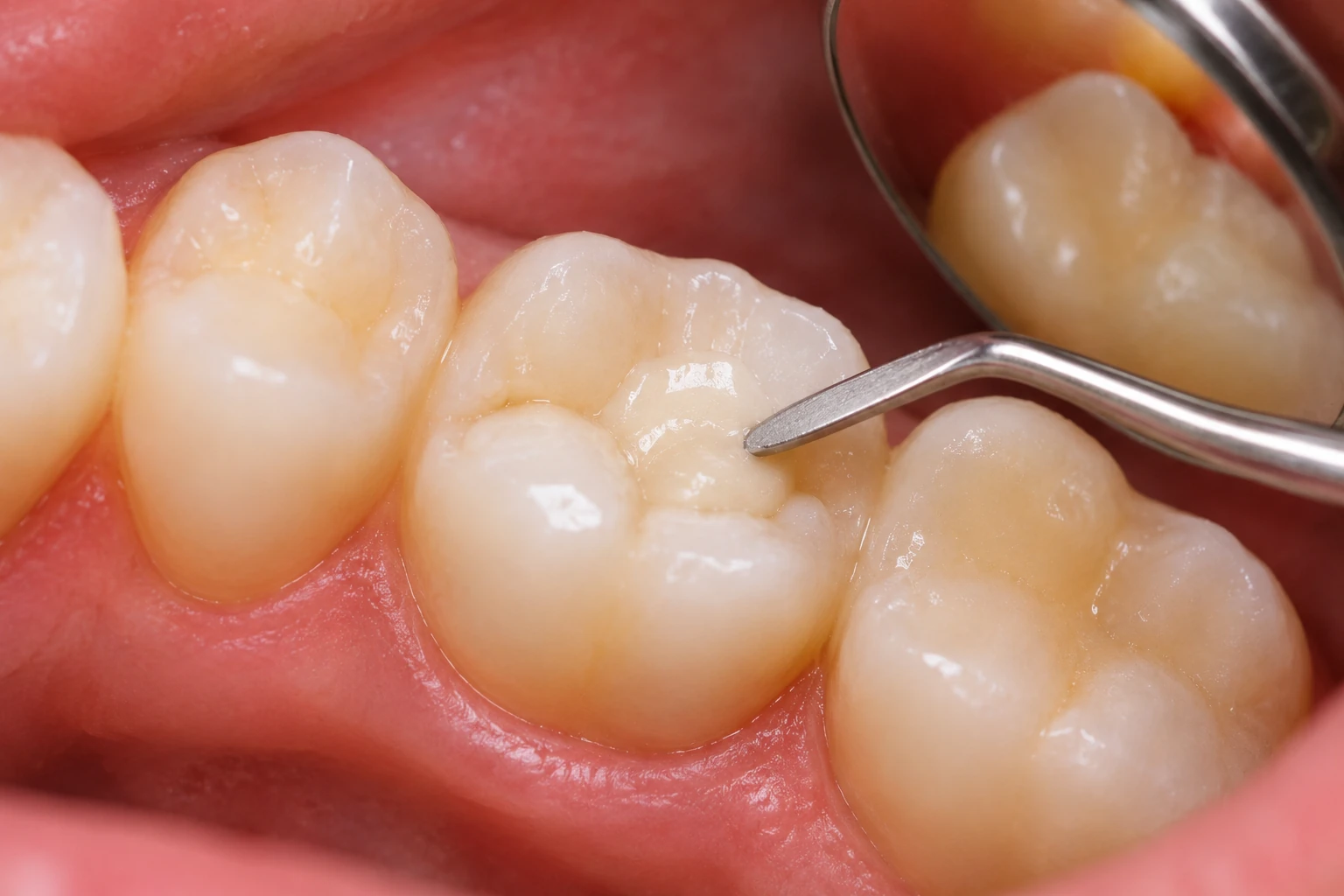
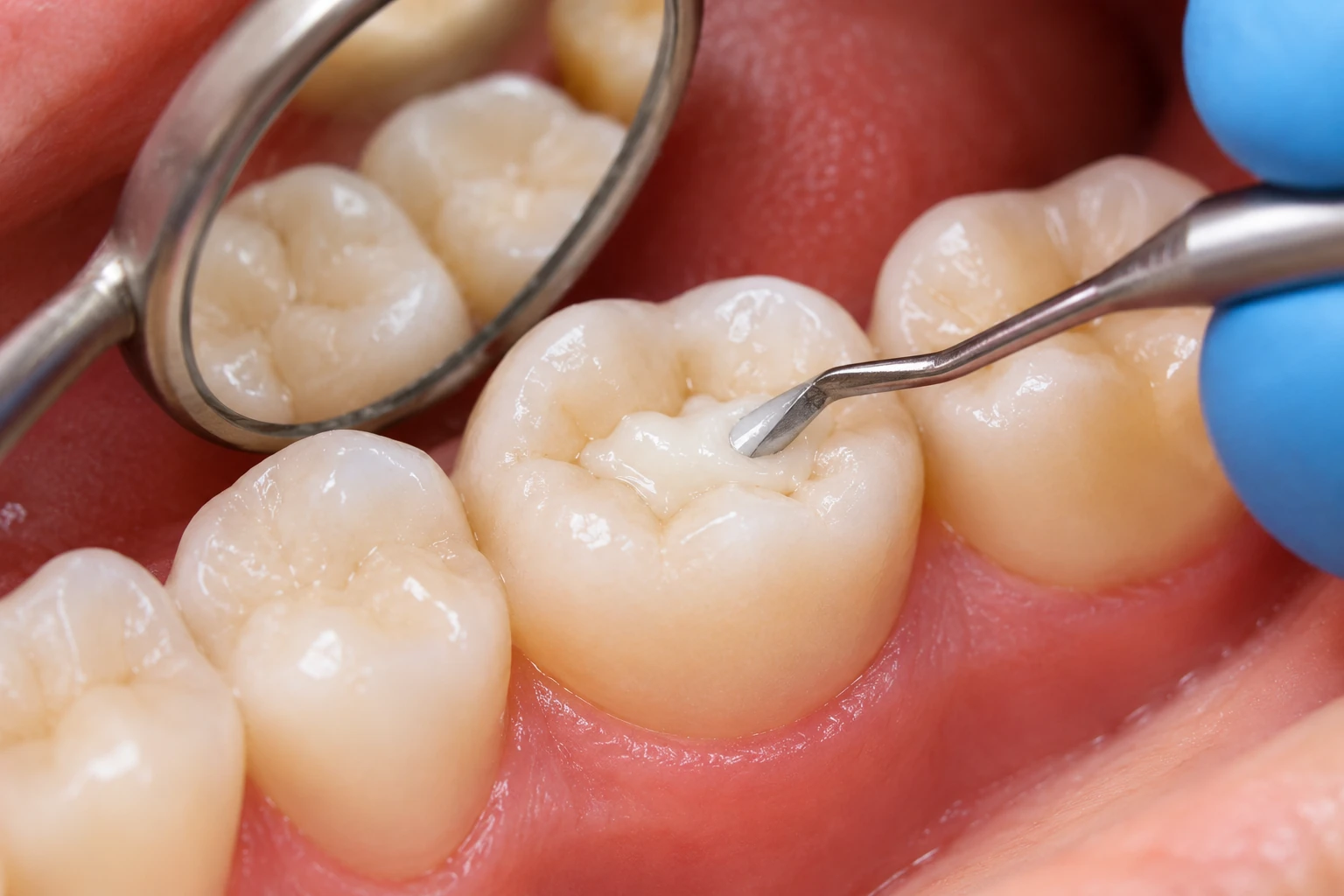
| Placing the filling | 10 to 15 minutes | Material is added in layers, shaped, and hardened with a curing light |
| Bite check and polish | About 5 minutes | High spots are smoothed so your teeth meet normally |
These are typical ranges, not guarantees. Your dentist can give you a closer estimate once they have seen the tooth and its X-ray.
How Long Does It Take to Fill Two or Three Cavities?
It does not take three times as long to fill three cavities. Much of a filling visit is setup and numbing, and those steps happen once when the teeth are close together. As a rough guide, two or three fillings in the same part of the mouth often fit into a single appointment of about an hour to an hour and a half.
If the cavities are on opposite sides, or in both the upper and lower jaw, your dentist may suggest splitting them into two visits. That avoids numbing your whole mouth at once, which makes eating and speaking awkward for the rest of the day.
What Makes a Filling Take Longer?
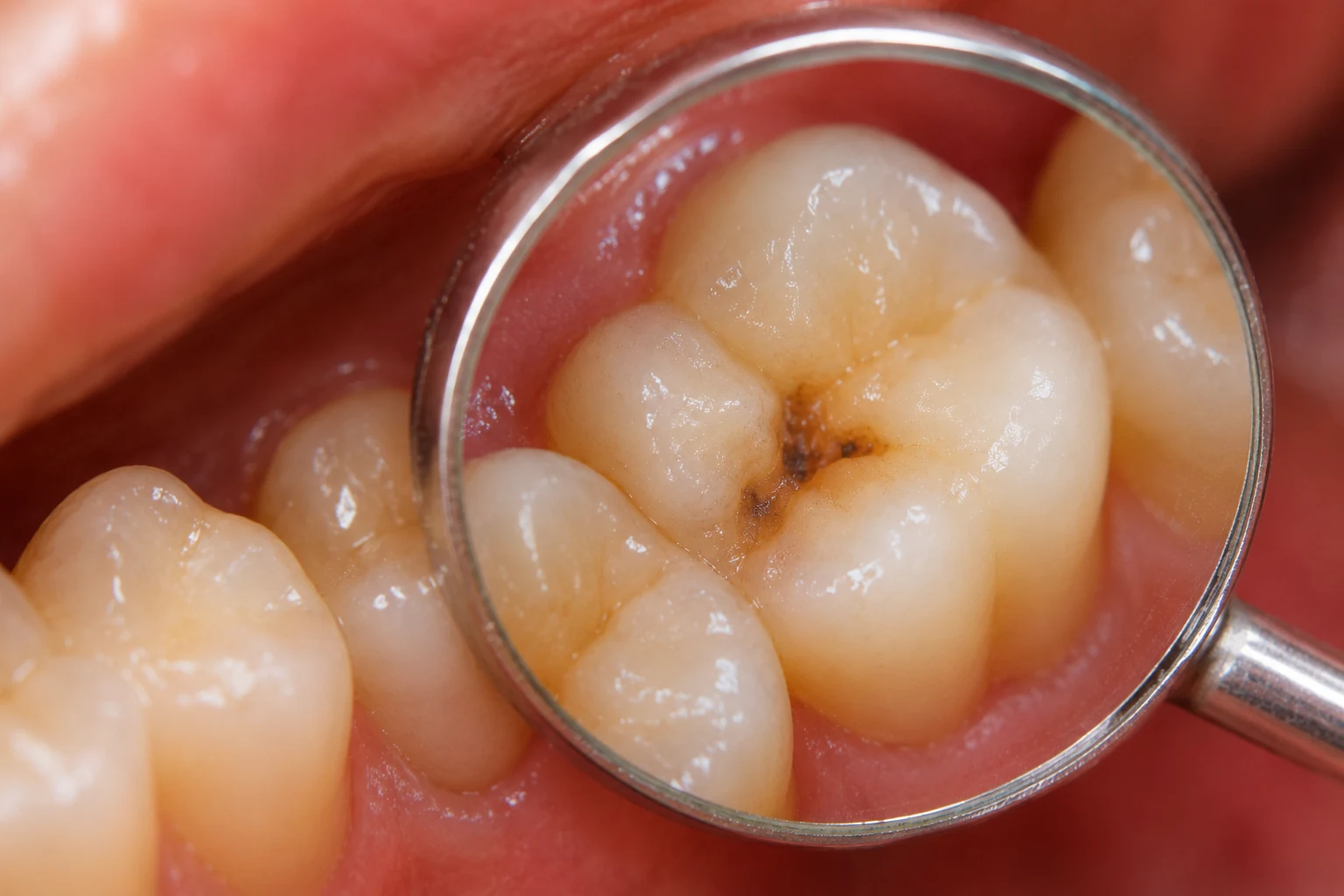
- Size and depth: A cavity that has spread across several surfaces of the tooth needs more shaping and more layers of material.
- Location: Back molars and the tight spaces between teeth are harder to reach and keep dry.
- Old fillings: Replacing a worn or cracked filling means removing the old material first.
- Getting numb: Lower back teeth and teeth that are already sore can take longer to numb fully.
- Patient comfort: Breaks are always fine. A few pauses add minutes, and they make the visit easier.
The choice of material matters too. We compare the common options in tooth filling materials and your options.

Teeth Cleaning Traditions and Oral Health Connection
Many cultures have their own traditions for cleaning teeth. Oral health has played a role in traditional ceremonies throughout history.

Do All Fillings Finish in One Visit?
Most do. Cleveland Clinic explains that direct fillings are placed in the mouth in one office visit, while indirect fillings such as inlays and onlays are made outside the mouth and commonly need two. Your dentist will tell you which type suits the tooth. If more of the tooth is damaged, an inlay or onlay or a crown may hold up better than a large filling, and our article on how dentists decide between a crown and a filling explains why.
How Long Until You Can Eat and Get Back to Normal?
You can return to work or school straight after a filling. The main thing to plan around is numbness, which usually lasts a few hours. Wait until feeling returns before you chew on that side so you do not bite your cheek or tongue.
- Tooth-colored composite fillings are hardened with a light during the visit, so the filling itself is ready when you leave.
- Stick with softer foods and avoid very hot drinks while you are still numb.
- Mild sensitivity to cold for a few days is common and should fade.
For more detail, see how long a dental filling takes to set and how long numbness lasts after a filling.
Why a Short Appointment Now Beats a Long One Later
Cavities do not stay the same size. According to the National Institute of Dental and Craniofacial Research, early decay can sometimes be stopped or reversed, but once a cavity has formed the damage is permanent and needs a filling. The longer it is left, the more tooth is lost and the longer the repair takes. A cavity that would have been a half-hour filling can become a crown or root canal visit. We describe that progression in what happens if you wait too long to fill a cavity.
Cavity Fillings in Vancouver, WA
Cascade Dental offers tooth fillings for patients in Vancouver, WA and the surrounding Clark County area. If you are fitting a filling around work or school, tell us when you book. We can let you know how much time to set aside based on your exam and X-rays.
FAQs About How Long Fillings Take
How long does a filling take for a child?
The treatment time is similar to an adult filling, though the visit may include extra time to help a child feel settled. Baby teeth are smaller, so the filling itself is often quick.
Can I get several fillings on the same day?
Often, yes, especially when the teeth are near each other. Your dentist will recommend what is comfortable and safe for you.
Is a front tooth filling faster than a back tooth filling?
Front teeth are easier to reach, which helps. Your dentist may spend extra time matching the shade and shape, since the result is visible when you smile.
How long will my mouth stay numb?
Usually a few hours. Lower teeth tend to stay numb longer than upper teeth.
Do I need a second visit after a filling?
Not normally. Come back if your bite feels uneven or the tooth is still sensitive after a couple of weeks, since a small adjustment may be needed.
Book Your Filling at Cascade Dental
If you have a cavity that needs attention, the visit is likely to be shorter than you expect. Contact Cascade Dental to schedule, and we will tell you how long to plan for.
Get That Cavity Fixed This Week
Tell us your schedule and we will let you know how much time to set aside. Schedule your visit today.