Dental implants have completely revolutionized the way we replace missing teeth. They provide a durable, visually appealing option that restores both function and appearance. However, choosing the right type of dental implant involves carefully considering several factors, including the patient’s specific needs and the latest advancements in technology. Understanding the best material for dental implants can also help patients make a more informed decision about their treatment.
What Factors Should Be Considered When Selecting A Type Of Dental Implant?
To guarantee the greatest result, a number of important elements must be taken into account while selecting a type of dental implant. The patient’s general oral health is the most important thing. Gum disease and low bone density, for example, might greatly affect the kind of implant that is appropriate. Conditions like dental infection or untreated oral issues should be addressed before moving forward with implant treatment.
The location of the missing tooth also plays a critical role. Implants in the front of the mouth require more precise placement and aesthetic considerations compared to those in the back.
Another vital factor is the patient’s health history and any underlying medical conditions. Certain systemic health issues, like diabetes or osteoporosis, may affect healing and implant success. Additionally, the patient’s lifestyle and habits, such as smoking, can impact the longevity and success of dental implants.
Cost and time are also essential considerations. Some implant procedures may require multiple stages and can be more expensive, which might not be feasible for all patients. Consulting with a dental professional who specializes in restorative dentistry to discuss these factors comprehensively can help in making an informed decision about the most appropriate type of dental implant.
How Do Endosteal And Subperiosteal Implants Differ In Structure And Application?
Dental implants come in various types, with endosteal and subperiosteal being the most common. Understanding the differences between these two can help in making an informed choice.
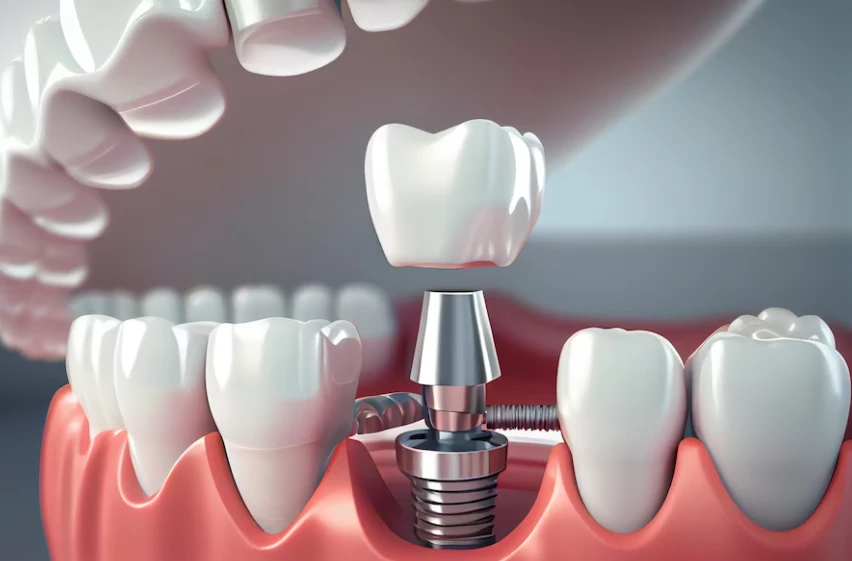
Endosteal implants are the most widely used type of dental implant. They are typically shaped like small screws and are placed directly into the jawbone. This type of implant provides a strong and stable foundation for the artificial tooth, making it an excellent choice for patients with adequate bone density. Many patients choose single dental implants for replacing individual missing teeth due to their durability and natural appearance. The technique entails a short surgical incision to put the implant into the mandible. The implant and bone fuse during the healing phase, a process known as osseointegration. An abutment is affixed to the implant once it has completely integrated, supporting the replacement tooth or crown.
Conversely, individuals who are unable to undergo bone augmentation treatments or do not have adequate bone height may choose subperiosteal implants as an option. These implants are positioned above the mandible but beneath the gums.
Subperiosteal implants are placed on top of the bone rather than into it, and are held in place by a metal framework that protrudes through the gums. Although less prevalent, this kind of implant can be a great choice for people who have particular anatomical limitations or who would rather have a less intrusive treatment.
What Are The Latest Advancements In Dental Implant Technology?
Dental implant technology continues to evolve, bringing new advancements that improve outcomes and patient experiences. One of the most notable advancements is the development of 3D imaging and computer-aided design/computer-aided manufacturing (CAD/CAM) technology. These tools allow for precise planning and placement of implants, reducing the risk of complications and improving the fit and aesthetics of the final restoration. Many of these innovations fall under advanced dental technology, helping deliver more predictable results.
Another significant advancement is the use of biocompatible materials that enhance osseointegration and reduce healing times. Zirconia implants, for example, are gaining popularity due to their aesthetic advantages and compatibility with the natural tissues in the mouth. These ceramic-based implants offer a metal-free alternative that can be particularly beneficial for patients with metal sensitivities.
Immediate load dental implants, also known as same-day implants, represent another exciting development. Immediate load implants allow a temporary crown to be placed the same day as the implant operation, whereas traditional implants require a healing period before the artificial tooth can be attached. Options like same-day dental implants shorten the duration of treatment and offer immediate return of appearance and function.
The application of growth factors and stem cell therapy, among other developments in regenerative medicine, is showing promise in augmenting bone regeneration and raising dental implant success rates.
How Does Bone Density Affect The Choice Of Dental Implant Types?
Bone density is a critical factor in determining the type of dental implant that will be most effective. Adequate bone density ensures that the implant can securely integrate with the jawbone, providing a stable foundation for the artificial tooth. Patients with high bone density are typically ideal candidates for endosteal implants, which require sufficient bone volume for successful placement and integration.
In cases where patients have low bone density or significant bone loss, alternative approaches may be necessary. Subperiosteal implants can be a viable option for these patients, as they do not rely on the bone for support in the same way as endosteal implants.
Additionally, bone grafting procedures can be performed to increase bone volume and create a suitable environment for endosteal implants. Patients exploring their options can learn more through helpful resources like the dental implant buyer’s guide, which breaks down procedures and expectations in detail. Bone grafting involves taking bone from another part of the body or using synthetic materials to build up the jawbone, allowing for successful implant placement in areas with insufficient bone density.
Innovative techniques such as sinus lifts and ridge expansion are also employed to address bone deficiencies in specific areas of the jaw. These procedures help create the necessary bone structure to support endosteal implants, expanding the options available for patients with varying bone densities.
Choosing the right type of dental implant involves careful consideration of multiple factors, including the patient’s oral health, bone density, and the latest technological advancements. By understanding the differences between endosteal and subperiosteal implants and staying informed about new developments, patients can make well-informed decisions to achieve optimal outcomes in their dental implant journey. Patients in Vancouver WA who are exploring tooth replacement options can benefit from a personalized evaluation before deciding which implant type is the best fit.
Standard Implants vs. Mini Dental Implants
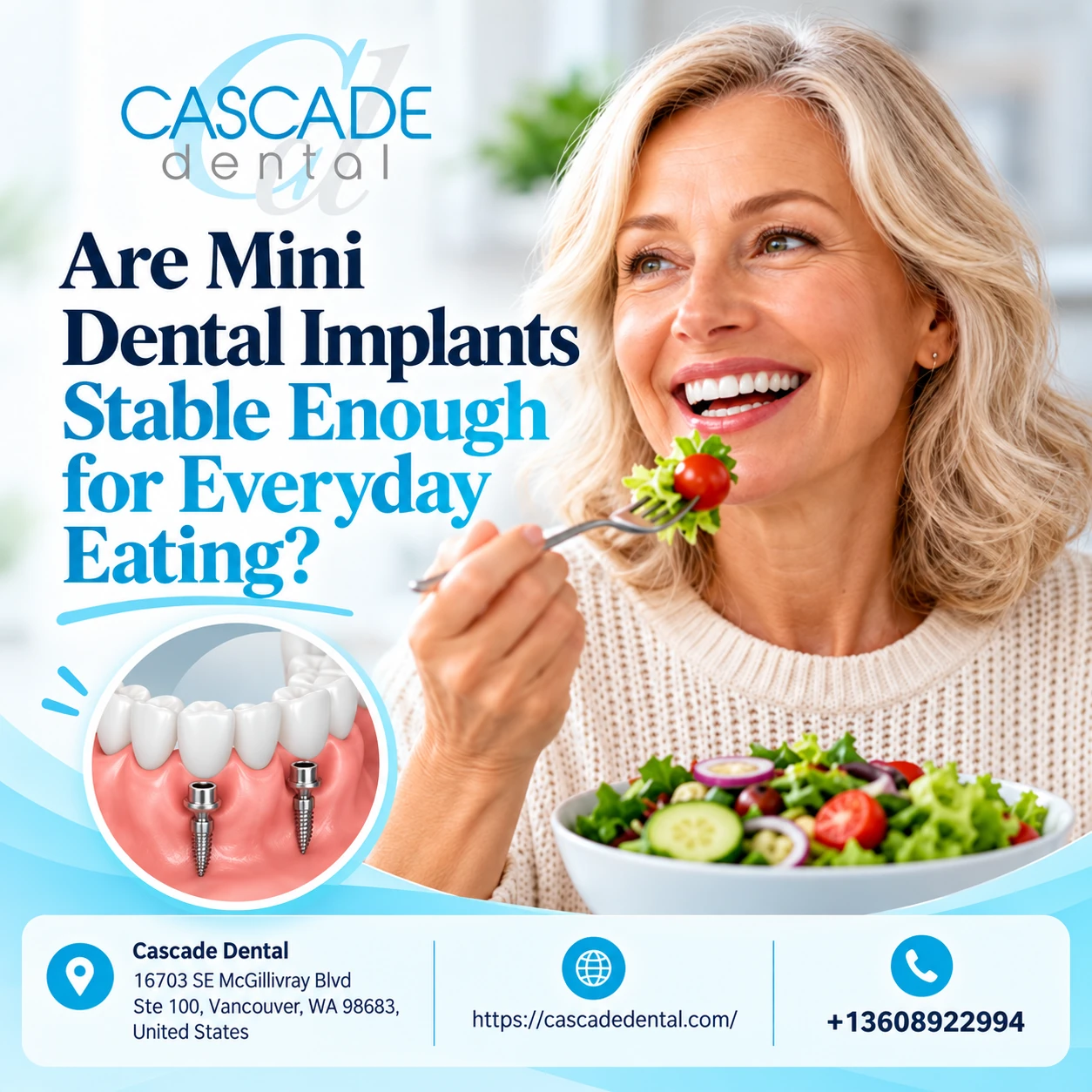
Traditional dental implants are generally wider and are placed into the jawbone to support a crown, bridge, or denture. Mini dental implants are narrower, often less than 3 millimeters in diameter, and may be used when there is limited bone width or when a less involved placement approach is appropriate. A medical reference from StatPearls describes mini implants as reduced-diameter implants, usually less than 3 mm, compared with conventional implants that are typically greater than 3 mm in diameter.
In simple terms:
Traditional dental implants are often recommended when a patient has enough bone support and needs a stable long-term replacement for one or more missing teeth.
Mini dental implants may be considered when a patient has thinner bone, limited space, or specific denture-stabilization needs.
Both are dental implants. Both are placed in the jaw. Both are intended to support replacement teeth. The difference is that they are used in different situations, and one is not automatically better than the other.
Who Is a Better Fit for Mini Implants?
Not every patient is a candidate for every type of implant. Before recommending either option, a dentist considers the full picture of your oral and overall health.
One of the biggest factors is jawbone volume and density. Traditional implants usually need enough bone width and height for stable placement. If bone loss has occurred after tooth loss, gum disease, injury, or long-term denture use, a bone graft may be discussed before implant placement. Mayo Clinic explains that dental implant surgeryplanning can involve multiple specialists and is customized based on the patient’s treatment needs.
Mini implants may be considered when the bone is too narrow for a standard implant or when a patient wants to avoid additional procedures, but they are not right for every case. Smaller implants may not be ideal for all bite forces or all tooth positions.
Dentists may also look at:
The number of missing teeth:
A single missing tooth, several missing teeth, or a full denture can each require a different plan.
The location of the missing tooth:
Back teeth often handle heavier chewing forces than front teeth, which can affect implant choice.
Gum health:
Healthy gums are important for implant stability. Gum disease may need to be treated before implant placement.
Medical history:
Healing ability matters. Conditions that affect bone healing or immune response may influence candidacy.
Smoking or tobacco use:
Tobacco use can affect gum health and healing, which may increase the risk of implant complications.
Bite pressure and grinding:
Patients who clench or grind may need special planning to protect the implant and restoration.
Restoration goal:
A single crown, bridge, removable denture, or fixed denture can all require different support.
This is why a consultation and exam are important. Implant recommendations should be based on your mouth, not just a general comparison online.
Titanium vs Zirconia Dental Implants
| Feature | Titanium Implants | Zirconia Implants |
|---|---|---|
| Long-term research | Extensive | Limited |
| Success rate | Very high | High |
| Strength | Excellent | Very good |
| Flexibility under pressure | Better | More brittle |
| Appearance | Slight gray risk | Natural white color |
| Metal-free | No | Yes |
| Best for back teeth | Excellent | Good |
| Best for front teeth | Excellent | Excellent |
Are Metal-Free Dental Implants Better?
Metal-free implants are not automatically better, but they may be preferable for some patients.
Zirconia implants may be ideal for individuals who:
- Prefer holistic dentistry
- Want metal-free restorations
- Have metal sensitivities
- Prioritize aesthetics
For many patients, however, titanium still provides the best combination of durability, success, and long-term reliability.
Immediate vs. Delayed Loading: Which Is Safer?
Safety is a paramount concern in dental implant procedures. Immediate loading, where the dental implant and the crown are placed simultaneously, has become increasingly popular due to its convenience and quick results.
In contrast, delayed loading involves a waiting period, typically several months, after placing the implant before the crown is attached. This waiting period allows for osseointegration, where the implant integrates with the jawbone.
Historically, delayed loading was considered safer as it ensured complete healing and integration. However, advancements in advanced dental technology and surgical techniques have made immediate loading a safe option for many patients.
The key is the quality of the jawbone and the implant’s stability during surgery. Immediate loading can be as safe as delayed loading for patients with strong, healthy jawbones, especially when performed by experienced professionals in restorative dentistry. These advancements are also helping position dental implants as the future of permanent tooth replacement for many eligible patients.
Can All Patients Opt For Immediate Loading?
Unfortunately, not all patients are suitable candidates for immediate loading. Those with poor bone quality, such as patients with osteoporosis or those who have experienced significant bone loss in the jaw, may not be eligible for this procedure.
Additionally, patients who have systemic health issues that slow down healing, such as diabetes or autoimmune diseases, may be advised to opt for delayed loading to ensure a better outcome. In some cases, preliminary treatments or a comprehensive dental exam may be needed to determine eligibility.
Patients in Vancouver WA who are considering implant treatment may need a full evaluation first to determine which approach is the better fit.
Dental Implant Options at Cascade Dental
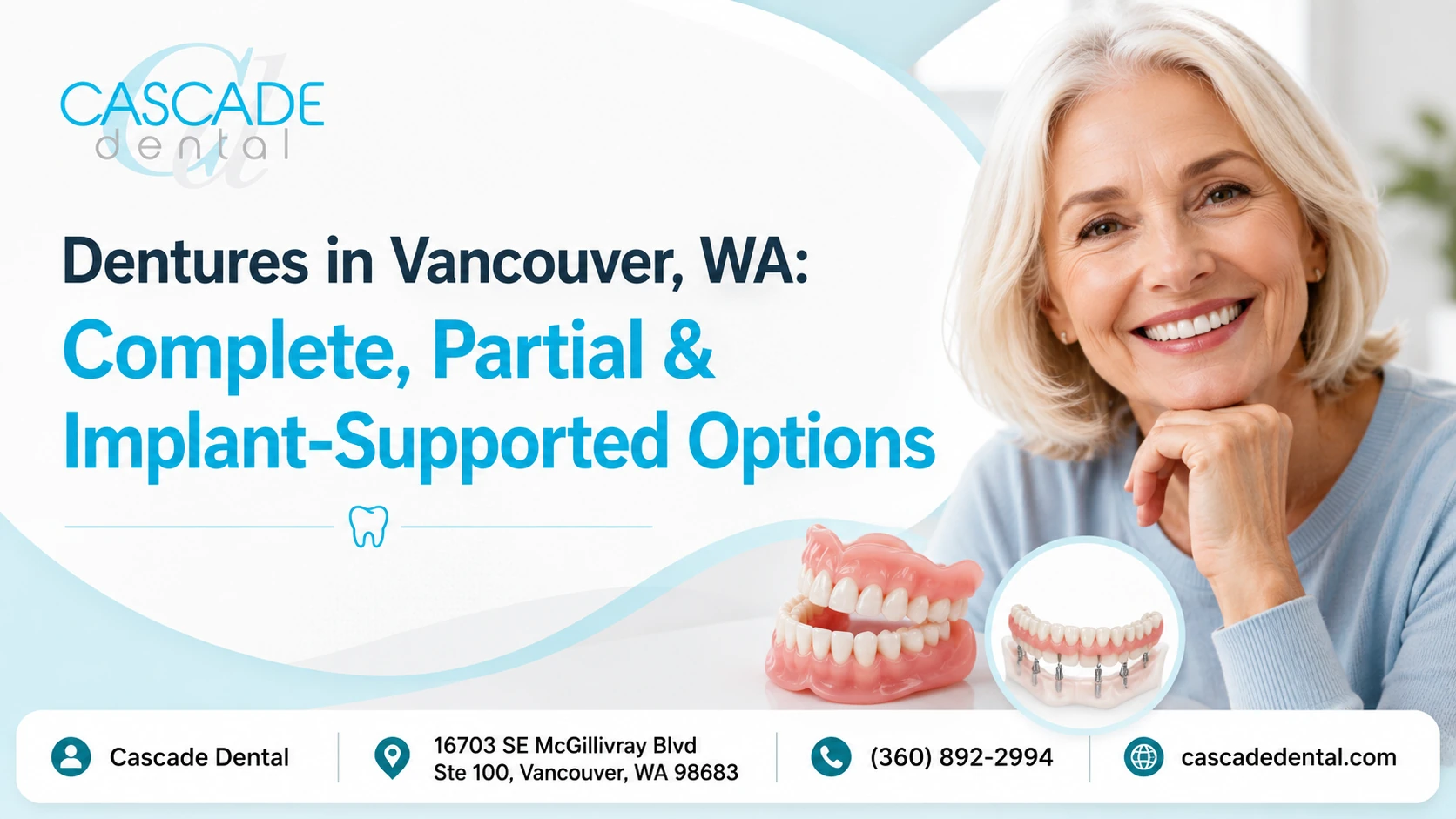
Cascade Dental in Vancouver, WA offers single-tooth implants, multi-tooth implants, mini dental implants, endosteal implants, subperiosteal implants, same-day dental implants, All-on-4 implants, and full-mouth implants. Our team will recommend the type that fits your bone support, health, and goals during your consultation — see our dental implants page for an overview of treatment.
Frequently Asked Questions About Dental Implants at Cascade Dental
How long do dental implants last?
Dental implants have an extended lifespan with adequate upkeep. Patients who want to better understand how long dental implants last should know that consistent home care and professional dental visits can play an important role in their longevity. Maintaining proper oral hygiene and scheduling routine dental examinations, such as a dental exam, are critical to the longevity of your implants.
What is the recovery time for dental implants?
The initial healing period after implant placement typically lasts a few weeks. However, complete osseointegration, where the implant fuses with the jawbone, can take several months. During this time, a temporary crown may be placed to restore function and aesthetics.
Are dental implants painful?
Because local anesthesia is used throughout the treatment, there will be little discomfort. Over-the-counter painkillers are usually effective in managing post-operative pain, and any discomfort normally goes away in a few days.
Can anyone get dental implants?
Dental implants can be placed in the majority of individuals who are in good general health and have enough bone density. Our specialists will assess your medical history and dental health during your appointment to see if implants are the best option for you.
How much do dental implants cost?
The cost of dental implants at Cascade Dental ranges from $3,000 to $5,000 per implant. This includes the implant, abutment, and crown. Additional procedures such as bone grafting may incur extra costs. You can also explore payment options to better plan your treatment.
Do dental implants require special care?
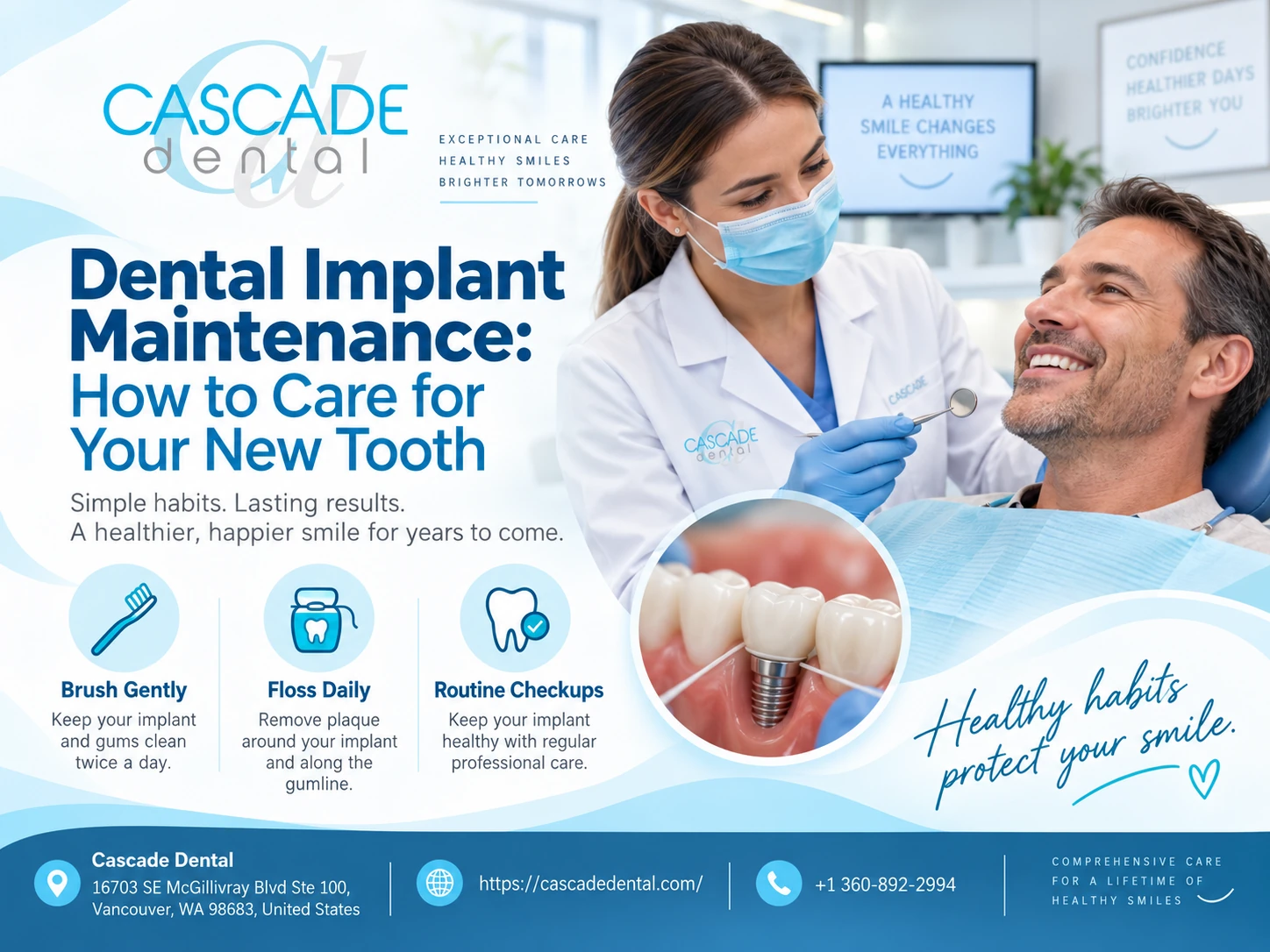
Dental implants require the same routine dental checkups, brushing, and flossing as natural teeth. It’s essential to practice good dental hygiene to avoid problems and make sure your implants last a long time.
Schedule Your Consultation Today!
If you’re considering dental implants, Cascade Dental, your trusted dentist in Vancouver WA, is here to help you achieve the smile of your dreams. Our expert team, advanced technology, and personalized care make us the ideal choice for your dental implant needs. Learn more about our experienced providers on our team page and see why patients in Vancouver WA trust us with their care.
Schedule your consultation today and discover why so many patients trust Cascade Dental for their dental implant treatments. Contact us and schedule your appointment at Cascade Dental.