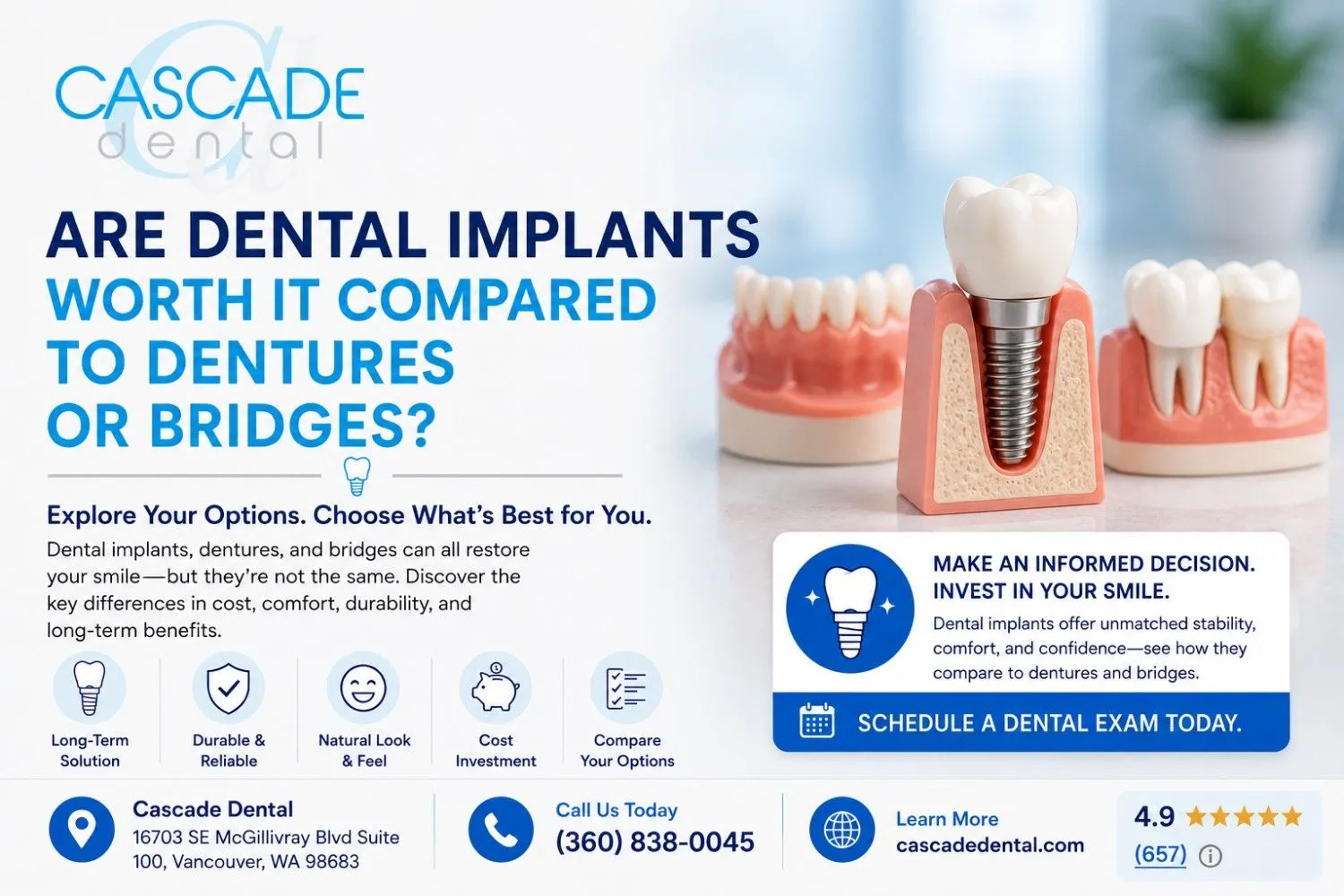
Dental implants are often worth it compared to dentures or bridges because they provide long-term stability, durability, and better oral health support. While the upfront cost is higher, dental implants vs dentures and dental implants vs bridges Vancouver, WA comparisons show implants deliver stronger long-term value.
Choosing the right option depends on your health, budget, and goals. Understanding the differences helps you make an informed decision.
Are Dental Implants Worth It?
Discover why implants may be the long-term choice over dentures or bridges.
Are Dental Implants Better Than Dentures or Bridges?
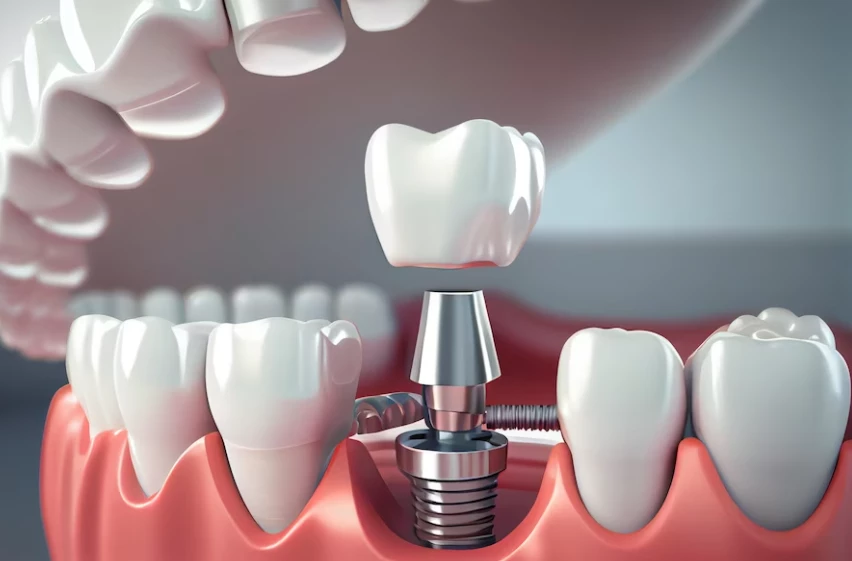
In many situations, dental implants are considered the more advanced option because they replace both the visible part of the tooth and the root beneath the gums. That root replacement is a major reason implants stand out from traditional dentures and bridges.
How Implants Compare in Function
A dental implant is anchored into the jawbone, which helps it feel more secure and natural when chewing or speaking. Dentures, on the other hand, rest on top of the gums and may shift or loosen over time. A bridge can work well for replacing a missing tooth, but it usually relies on neighboring teeth for support instead of standing on its own.
How Implants Compare in Appearance
Many patients like implants because they often look and feel the closest to natural teeth. They are custom-made to blend with the smile and do not need to be removed. Dentures can also look natural, but some patients notice a difference in feel and stability. Bridges are often attractive as well, but they do not address bone support in the same way implants do.
This difference also helps explain how implants transformed attitudes toward missing teeth, giving patients a fixed replacement option that can closely resemble the appearance, stability, and function of natural teeth.
Are Implants Always Better?
Not always. While dental implants offer many benefits, they also require surgery, healing time, and a higher upfront cost. Dentures may be a better fit for someone who wants a faster or more affordable solution. Bridges may be a practical option when adjacent teeth already need crowns or when implant placement is not ideal.
So, when people ask whether dental implants vs dentures or bridges has a clear winner, the answer is that implants often offer the strongest long-term benefits, but the best choice still depends on the patient.
What are The Pros and Cons of Dental Implants Vs Dentures?
Comparing dental implants vs dentures is one of the most common conversations in tooth replacement planning because both options solve the same problem in very different ways.
Pros of Dental Implants
Stronger Stability
One of the biggest benefits of dental implants is stability. Since they are placed in the jawbone, they are not meant to move around during eating or speaking.
More Natural Feel
Implants usually feel more like natural teeth than dentures. Many patients appreciate not having to remove them or use adhesive products.
Better Jawbone Support
Because implants replace the root, they help stimulate the jawbone. This can reduce bone loss over time, which is something traditional dentures cannot do.
Long-Term Durability
With proper care, dental implants can last for many years and may offer excellent long-term value.
Cons of Dental Implants
Higher Upfront Cost
Implants often cost more at the beginning than dentures.
Surgical Procedure Required
Implants involve a surgical placement process, so not every patient is ready or eligible for them right away.
Longer Treatment Timeline
Healing and integration with the bone can take time, so this is not always the fastest option.
Pros of Dentures
Lower Initial Cost
Dentures are often more budget-friendly upfront, which makes them appealing for many patients.
Faster Treatment
In many cases, dentures can be made and delivered more quickly than implants.
Useful for Multiple Missing Teeth
Dentures can replace several teeth or a full arch without requiring one implant per missing tooth.
Cons of Dentures
Can Slip or Shift
Some patients find dentures less stable, especially while chewing certain foods or talking.
Need for Ongoing Adjustments
As the jaw changes over time, dentures may need relining, replacement, or fit adjustments.
No Root Support
Dentures do not stimulate the jawbone, so bone loss may continue over time.
When comparing dental implants vs dentures, it often comes down to whether you prioritize lower initial cost and faster treatment or want a more fixed and natural-feeling long-term solution.
Do Dental Implants Last Longer Than Bridges?
In many cases, yes, dental implants can last longer than bridges. That is one reason they are often viewed as a long-term investment.
Why Implants Often Last Longer
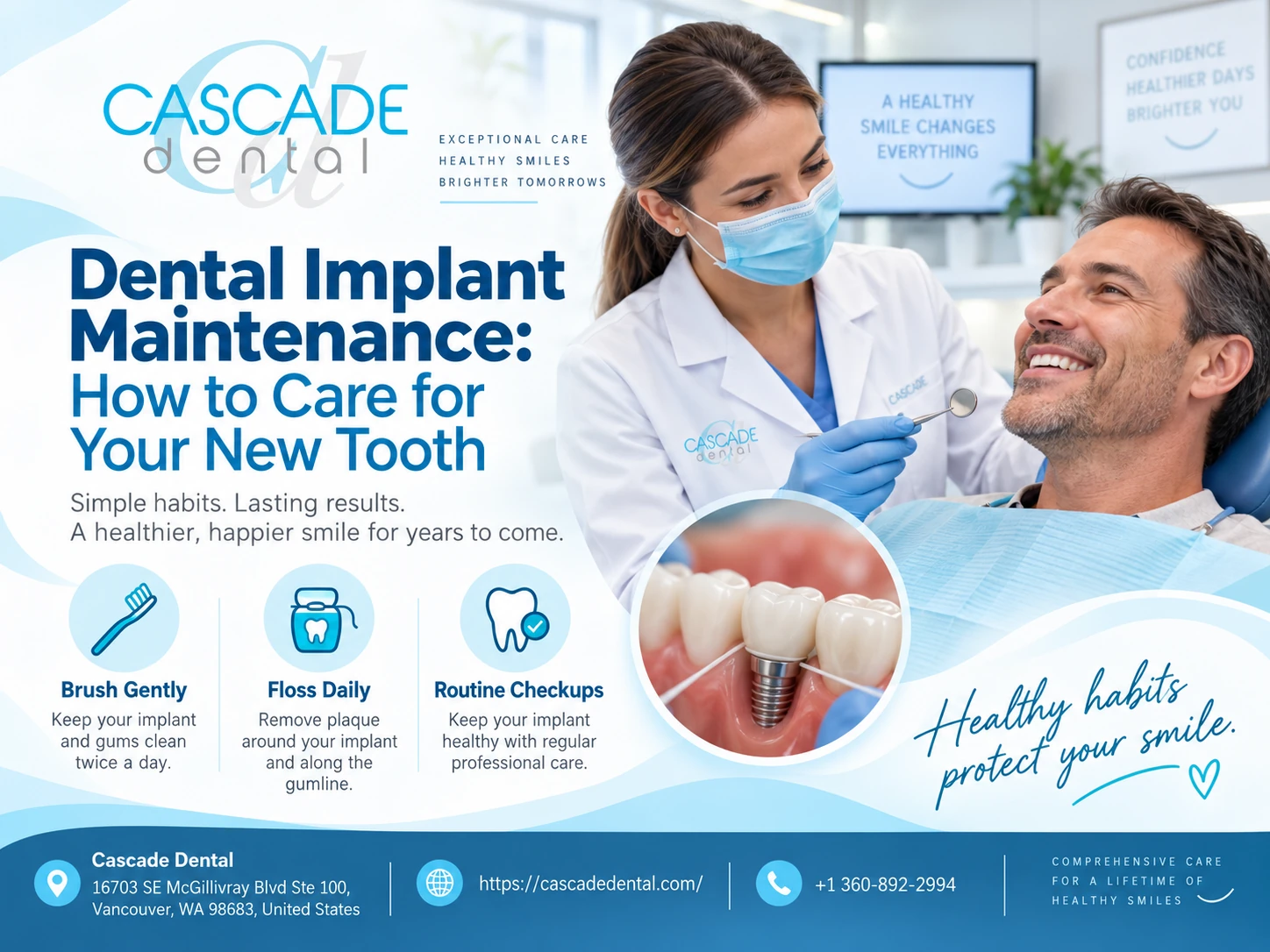
Implants are supported by the jawbone, not by neighboring teeth. Because of that, they do not place extra stress on surrounding teeth the way a bridge can. With good oral hygiene and regular dental visits, the implant itself can remain in place for many years.
For patients wondering how long dental implants last, understanding the factors that affect implant lifespan can make it easier to compare their long-term value with bridges and other tooth replacement options.
How Bridges Work
A traditional bridge uses the teeth next to a missing tooth as anchors. Those supporting teeth are reshaped and fitted with crowns, and the false tooth is attached between them. While bridges can be very effective, they depend on the health of the supporting teeth. If one of those teeth develops decay, damage, or gum issues, the bridge may need repair or replacement.
Maintenance Differences
Both implants and bridges require good oral care, but bridges can be more difficult to clean underneath. Implants also need healthy gums and bone support, but they do not rely on neighboring teeth for structure.
Patients comparing dental implants vs bridges in Vancouver, WA often ask about lifespan because they want to know which option gives them more years before replacement is needed. While every case is different, implants are often chosen for their durability and independence from surrounding teeth.

Dental Implants and Your Immune System Connection
Getting dental implants? There’s more to the process than just replacing missing teeth. Your immune system plays a big role…
Are Implants More Cost-Effective in The Long Run?
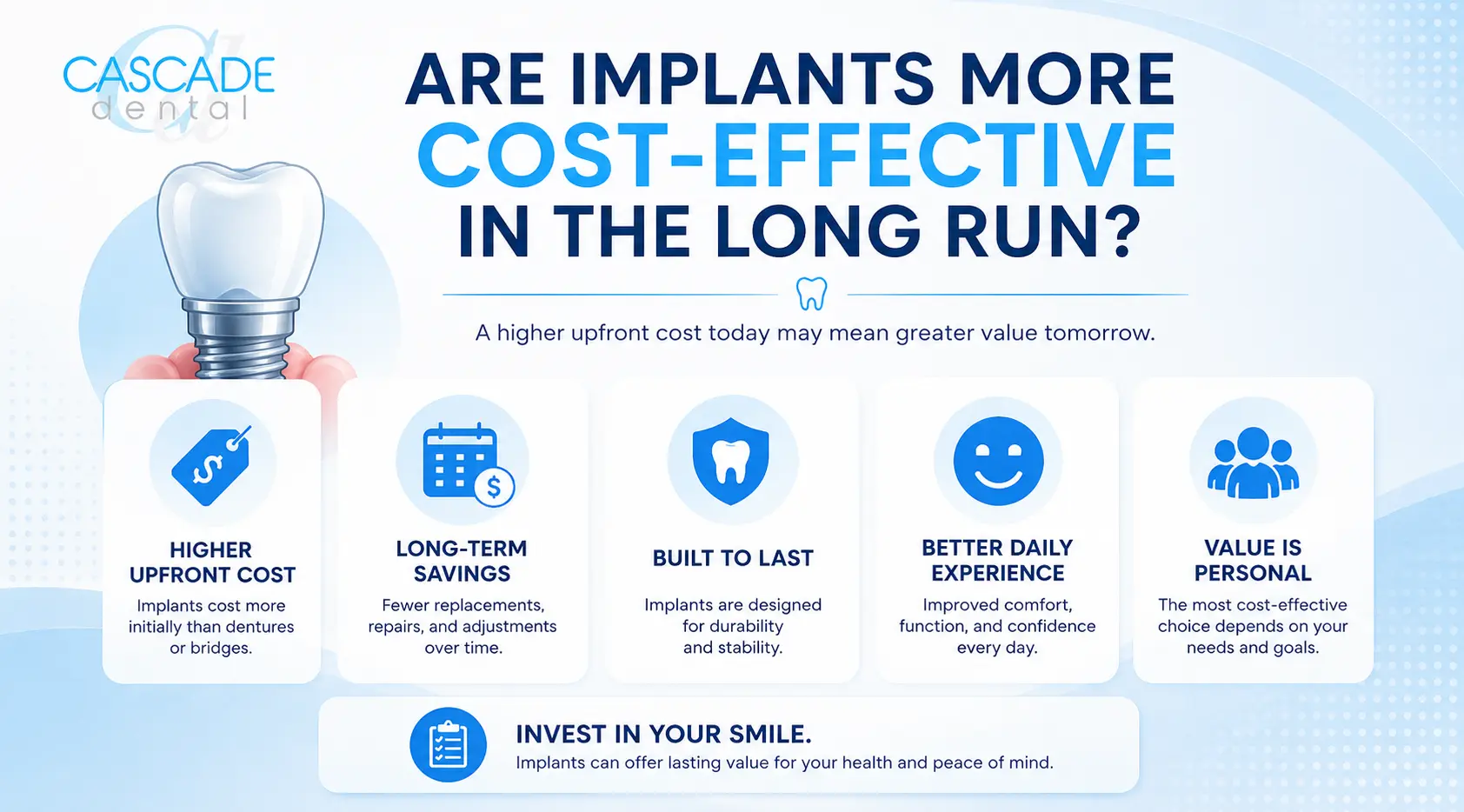
This is where the conversation gets interesting. Dental implants usually cost more at the beginning, but they may be more cost-effective over time for some patients.
Looking Beyond the Initial Price
It is easy to focus on the starting cost alone, but tooth replacement should also be viewed over the long term. Dentures may need relines, repairs, or replacement over time. Bridges may need to be redone if supporting teeth develop problems. Those future expenses can add up.
The Value of Longevity
Because dental implants are designed to last longer and remain stable, some patients find that they offer better long-term value even if the upfront investment is higher.
Function Matters Too
Cost-effectiveness is not only about dollars. It is also about comfort, convenience, and daily quality of life. A solution that lets you eat more comfortably, speak with confidence, and worry less about slipping or replacement may feel more worthwhile over time.
Not Every Patient Has the Same Budget
Of course, value is personal. Some patients need the most affordable option right now, and that matters. Others are in a position to invest more upfront to reduce future issues. When comparing dental implants vs dentures or bridges, the most cost-effective option depends on both finances and treatment goals.
WHO Should Choose Dentures Instead Of Implants?
Even though implants offer many advantages, dentures may still be the better choice for certain patients.
Patients Looking for a Lower Upfront Cost
If cost is the biggest concern, dentures may be a more realistic starting point. They can replace missing teeth without the surgical and financial demands of implants.
Patients With Significant Bone Loss
Some patients do not have enough jawbone support for implants without additional procedures. While bone grafting may still make implants possible, not everyone wants or qualifies for that extra step.
Patients Who Prefer a Non-Surgical Option
Since implant placement involves surgery, some people prefer to avoid that process for medical, personal, or comfort reasons.
Patients Missing Many Teeth
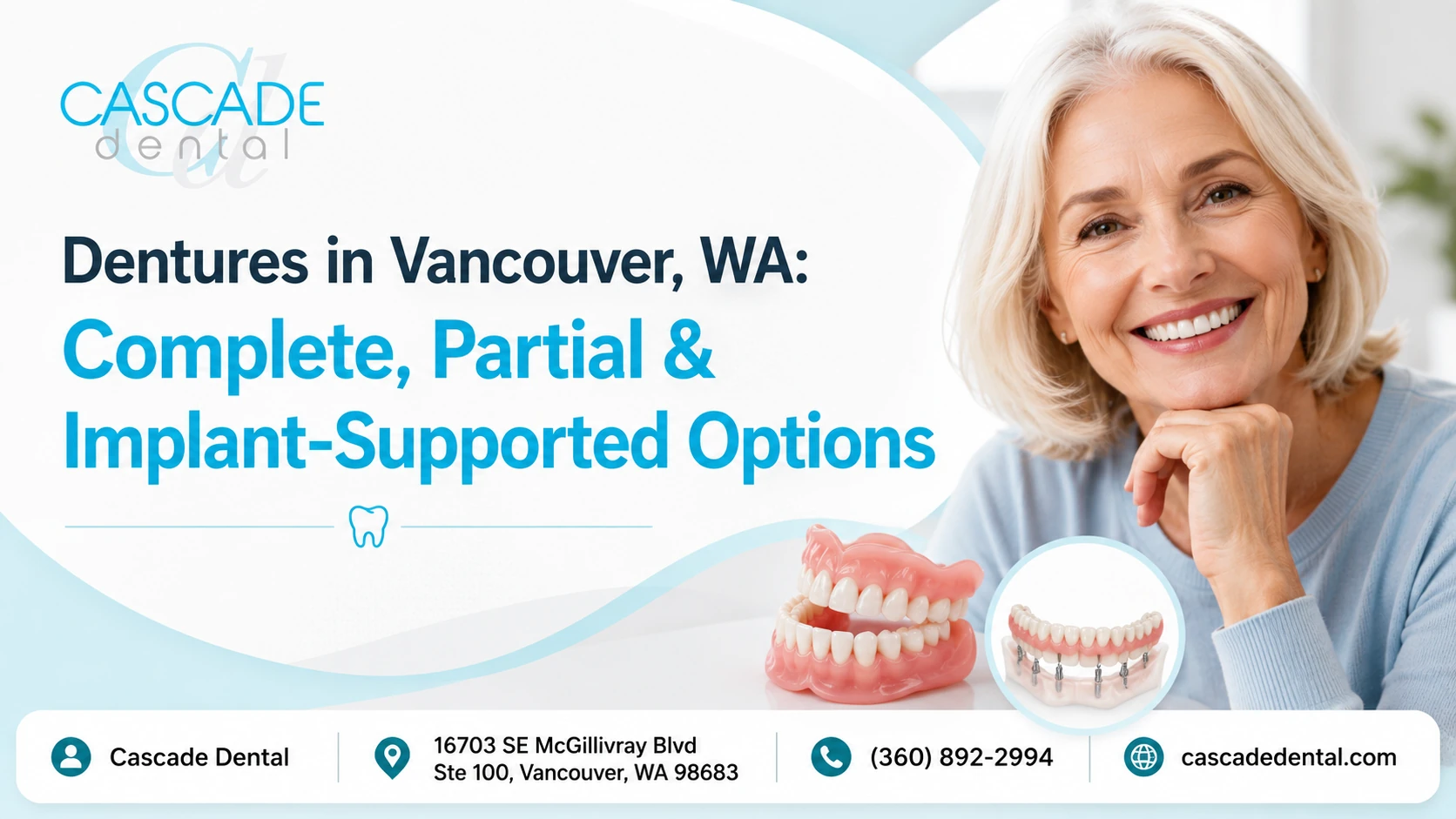
For someone missing most or all of their teeth, dentures can provide a broader replacement option more quickly. In some cases, implant-supported dentures may offer a middle ground by combining the benefits of both.
Patients With Certain Health Considerations
Some medical conditions or lifestyle factors may affect healing or make implant treatment less ideal. A dentist can evaluate whether implants are a safe and practical choice.
So while dental implants are often seen as the premium option, dentures are still a valid and helpful solution for many people.
Are Dental Implants Worth The Higher Cost?
For many patients, yes, dental implants are worth the higher cost because they offer a strong combination of stability, durability, and natural function. But the word “worth” depends on what matters most to you.
Why Many Patients Feel They Are Worth It
Patients often say implants are worth it because they can:
- Feel more like natural teeth
- Stay in place better while eating and speaking
- Help support jawbone health
- Avoid altering neighboring teeth the way dental bridges often do
- Offer a long-lasting replacement option
Why Some Patients May Choose Otherwise
Even if implants have major benefits, not everyone wants surgery or a longer treatment timeline. For some, dentures or bridges provide a more practical solution that still improves daily life.
Think in Terms of Priorities
If your top priorities are long-term stability, chewing comfort, and a fixed solution, dental implants may feel very worthwhile. If your priority is lower initial cost or a quicker treatment, another option may fit better.
This is why the choice between dental implants vs dentures or dental implants vs bridges in Vancouver, WA should never be based on marketing alone. It should be based on your health, goals, budget, and comfort level.
What is The Healthiest Option For Replacing Missing Teeth?
In many cases, dental implants are considered one of the healthiest tooth replacement options because they help preserve bone and do not require support from nearby teeth.
Bone Preservation
One of the biggest advantages of dental implants is that they stimulate the jawbone much like a natural tooth root. This helps reduce bone loss after tooth loss.
Protection of Surrounding Teeth
A bridge often requires reshaping neighboring healthy teeth. An implant typically does not, which can help preserve more natural tooth structure.
Support for Daily Function
A stable bite can make it easier to chew properly, which supports comfort and nutrition. Many patients feel more confident eating a wider variety of foods with implants.
Dentures Still Have a Place
That said, dentures can still improve function and appearance for patients who are not candidates for implants. A healthier option is not only about biology. It is also about whether the treatment works realistically for the individual.
The Healthiest Option Is the One That Fits the Patient
For some people, the healthiest option is an implant. For others, it may be a bridge or denture that restores function in a safe, affordable, and manageable way. The healthiest choice is the one that fits your mouth, your overall health, and your ability to maintain the result.
Find The Tooth Replacement Option That Fits Your Life At Cascade Dental
Choosing between dental implants, dentures, and bridges is not only about replacing a missing tooth. It is about finding the option that best supports your comfort, confidence, oral health, and long-term goals.
In many cases, dental implants offer strong benefits when comparing dental implants vs dentures or dental implants vs bridges Vancouver, WA, especially for patients who want a stable, natural-feeling, long-lasting solution. Still, dentures and bridges can also be smart choices depending on your needs and circumstances.
At Cascade Dental, we know there is no one-size-fits-all answer when it comes to tooth replacement. We take the time to understand your smile, explain your options clearly, and help you decide whether dental implants or another solution makes the most sense for you. If you are ready to explore your next step, our team is here to help you move forward with confidence and clarity.
Thinking About Dental Implants?
Dental implants can offer lasting comfort, function, and confidence.