Yes, you can get a dental implant years after losing a tooth, even if the tooth has been missing for five, ten, or more years. However, the condition of your jawbone, surrounding teeth, and gums will determine whether an implant can be placed directly or whether additional preparation is needed.
At Cascade Dental, we help patients in Hazel Dell, WA, explore tooth replacement options after long-term tooth loss. Understanding how missing teeth affect your mouth can help you prepare for an implant evaluation and make informed decisions about treatment.
Ready to Replace That Missing Tooth?
Even after years of tooth loss, dental implants may be possible. Call now to find out if you're a candidate!
Quick Answer: Can You Get an Implant Years After Tooth Loss?
Dental implants may still be possible many years after a tooth has been lost. There is no universal time limit that automatically prevents someone from receiving an implant.
However, the longer a tooth remains missing, the more likely the surrounding bone and neighboring teeth may have changed.
Your dentist will consider several factors before recommending treatment:
- Jawbone volume: Whether enough bone remains to support an implant.
- Gum health: Whether the surrounding tissues are healthy and free from active periodontal disease.
- Tooth spacing: Whether neighboring teeth have shifted into the missing-tooth area.
- Bite alignment: How your remaining teeth contact one another.
- Medical history: Whether existing health conditions or medications may affect treatment.
- Additional preparation: Whether bone grafting, orthodontic treatment, or another procedure may be necessary.
Some patients can receive implants without extensive preparation, even after several years.
Others may need additional treatment before implant placement becomes appropriate.
The amount of time since tooth loss is important, but it does not determine eligibility by itself.
What Happens to the Jawbone After a Tooth Is Lost?
Your jawbone constantly responds to the forces placed on it through normal function.
Natural tooth roots are surrounded by bone that helps support the teeth during chewing.
When a tooth is removed or lost, the surrounding bone no longer receives the same functional stimulation from that tooth.
Bone Resorption After Tooth Loss
After a tooth is lost, the jawbone in that area naturally begins to remodel.
This process, called bone resorption, can reduce the height and width of the ridge that previously supported the tooth.
The most noticeable changes often occur during the first several months following extraction.
However, remodeling can continue over time.
The amount of bone loss varies considerably between patients.
Why Bone Loss Matters for Implants
Dental implants require sufficient bone in an appropriate position to provide stability and support the planned replacement tooth.
If the bone becomes too narrow or shallow, placing an implant may be more complicated.
The dentist must also consider nearby anatomical structures, including nerves in the lower jaw and sinus cavities in the upper jaw.
Does Everyone Lose the Same Amount of Bone?
No. Bone changes depend on several factors, including:
- The original condition of the tooth and surrounding bone
- Whether gum disease was present
- Previous infections or dental injuries
- The location of the missing tooth
- Individual healing and anatomical differences
- Whether bone preservation procedures were performed
Some patients retain enough bone for implant placement long after losing a tooth.
Others experience changes that require additional planning.
Does Waiting Make Implant Treatment More Difficult?
Waiting several years can make implant treatment more complicated, but it does not necessarily make treatment impossible.
The main concern is not simply how much time has passed. It is how the surrounding oral structures have changed during that period.
Reduced Bone Volume
As the jawbone remodels, the available space for an implant may become smaller.
This can influence implant positioning and whether additional bone support is necessary.
Changes in Gum Contour
Long-term tooth loss may affect the shape of the gum tissue covering the missing-tooth area.
A sunken or uneven ridge can make it more challenging to create a natural-looking restoration, particularly for visible front teeth.
Movement of Neighboring Teeth
Adjacent teeth may gradually tilt or drift toward the empty space.
This can reduce the room available for a replacement tooth.
Changes in Chewing Patterns
Some people begin chewing more frequently on the opposite side of their mouth after losing a tooth.
Over time, missing teeth may also affect bite relationships and the distribution of chewing forces.
These changes do not mean an implant is automatically unsuitable.
They simply emphasize why an individualized examination is important.
How Dentists Evaluate Bone Before Implant Treatment
Before recommending a dental implant, your dentist needs to understand the condition of the jawbone where the tooth is missing.
At Cascade Dental, implant planning begins with an examination of your oral health and a review of relevant dental imaging.
Clinical Examination
We examine the missing-tooth area, neighboring teeth, gums, and bite.
The appearance of the gum ridge may provide clues about underlying bone changes, but it cannot reliably reveal the full amount of available bone.
Dental X-Rays
Dental X-rays help evaluate the surrounding teeth, bone structures, and certain conditions that may affect treatment planning.
They can also identify problems that are not visible during a routine oral examination.
3D Cone Beam Imaging
When clinically appropriate, cone beam computed tomography (CBCT) provides a three-dimensional view of the jaw.
This technology helps assess:
- Bone height and width
- Available space for implant placement
- Nearby tooth roots
- Proximity to nerves and sinus cavities
- Anatomical conditions requiring additional planning
Not every patient needs the same imaging during the initial consultation.
After reviewing the findings, we explain whether the available bone appears suitable or whether further treatment may be necessary.
When Bone Grafting or Other Preparation May Be Needed
Patients who have experienced jawbone loss may need additional preparation before receiving an implant.
However, not everyone who has been missing a tooth for years needs a bone graft.
The recommendation depends on the amount and location of the remaining bone.
Bone Grafting
Bone grafting involves placing bone graft material in an area where additional support is needed.
Over time, healing and bone remodeling may help create a more suitable foundation for implant placement.
The graft may need several months to heal before the next stage of treatment.
Sinus Augmentation
For some missing upper back teeth, the sinus cavity may be positioned close to the proposed implant site.
A sinus augmentation procedure, sometimes called a sinus lift, may be considered when additional bone height is necessary.
This procedure is not required for every upper-jaw implant.
Ridge Augmentation
When the jaw ridge has become narrow or uneven, ridge augmentation may help improve its shape or available bone volume.
The dentist determines whether such treatment is appropriate based on imaging and the proposed restoration.
Are Additional Procedures Always Successful?
No procedure guarantees that an implant will become possible or succeed.
Bone grafting has its own risks, healing requirements, and limitations.
Your dentist will explain the potential benefits, alternatives, and expected treatment stages before recommending any preparation.

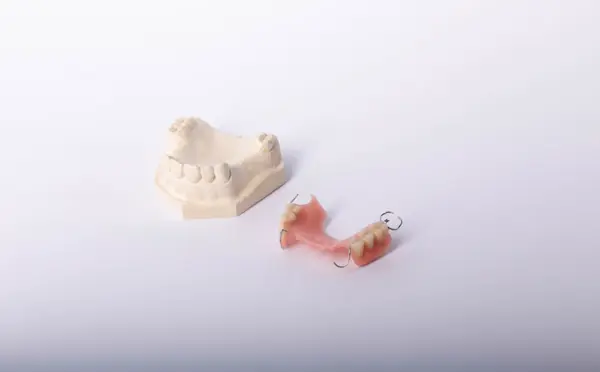
Dental Bridge vs. Dental Implant: Which Option Fits Your Situation?
A bridge is supported by neighboring teeth; an implant replaces the tooth from the root up. Each option has different…
Can Nearby Teeth Shift Into the Missing-Tooth Space?
Yes. Neighboring teeth can gradually move into an empty space when a tooth has been missing for an extended period.
Natural teeth maintain their position partly through contact with surrounding teeth and the forces created during normal function.
When a tooth disappears, those relationships can change.
Tilting of Adjacent Teeth
A neighboring tooth may lean toward the missing-tooth space.
This can reduce the room available for an implant crown and affect how the replacement tooth fits.
Movement of Opposing Teeth
A tooth in the opposite jaw may gradually extend farther into the empty space because it no longer contacts its usual opposing tooth.
This movement is called supraeruption.
It can reduce the vertical space available for a replacement restoration.
Can the Space Be Corrected?
Sometimes. Depending on the amount of movement, orthodontic treatment or restorative adjustments may help create adequate space.
In other situations, the existing alignment may still allow implant placement without additional correction.
The important consideration is whether the implant and final restoration can be positioned appropriately for function, appearance, and maintenance.
What Treatment Options Are Available After Long-Term Tooth Loss?
Dental implants are one possible solution, but the best replacement approach depends on how many teeth are missing and the condition of your mouth.
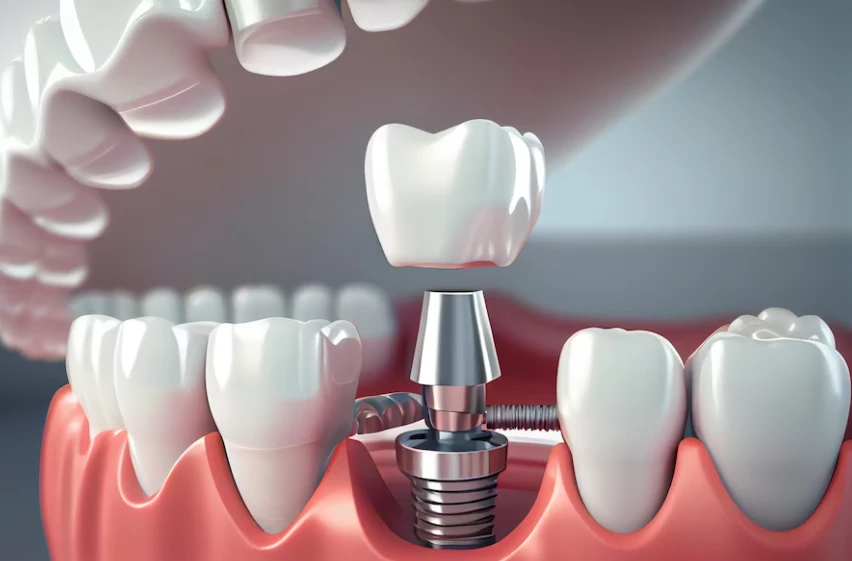
Single-Tooth Dental Implant
A single implant can support a custom dental crown without relying on neighboring teeth for support.
This may be appropriate when sufficient bone and space are available.
Implant-Supported Bridge
When several adjacent teeth are missing, implants may support a bridge that replaces multiple teeth.
The number and position of implants depend on the patient’s anatomy and restorative needs.
Full-Arch Implant Restoration
Patients missing most or all teeth in an upper or lower arch may be evaluated for implant-supported full-arch restorations.
Different designs are available, and some may be suitable for selected patients with reduced bone volume.
Traditional Bridges and Dentures
If implants are not recommended or preferred, conventional bridges and removable dentures may be considered.
These options have different requirements, maintenance needs, and long-term considerations.
At Cascade Dental, our dental implant services include options for replacing individual teeth, multiple teeth, and full arches.
We help patients compare appropriate treatments based on their oral health, expectations, and personal goals.
How Long-Term Missing Teeth Affect Implant Planning
Replacing a tooth that has been missing for many years requires careful consideration of both the implant site and the final restoration.
The dentist must determine whether an implant can be placed in a position that supports comfortable chewing and an appropriate bite.
Planning Around Existing Anatomy
Bone changes may limit the available implant positions.
The treatment plan must account for the relationship between the jawbone, nearby teeth, nerves, and other structures.
Considering the Final Crown
An implant must support a replacement tooth that fits with your remaining teeth.
If the space has become narrower or the opposing tooth has shifted, the final crown may need additional planning.
Addressing Existing Oral Health Problems
Active gum disease, untreated decay, or other dental problems may need attention before implant placement.
Your dentist may also consider teeth grinding, smoking, and medical conditions that could affect healing.
Understanding the Overall Timeline
Some patients can proceed with implant placement after the necessary evaluation.
Others may need bone grafting or additional dental treatment first.
Once an implant is placed, the surrounding bone typically requires several months to integrate with it before the final restoration is attached.
At Cascade Dental, the overall implant process may take approximately three to nine months, depending on the treatment plan, although complex cases can take longer.
What Happens During the Implant Consultation?
If you have been missing a tooth for several years, an implant consultation is the best starting point for understanding your current options.
The appointment focuses on gathering information rather than assuming that you need a particular treatment.
Reviewing Your Dental History
We discuss when the tooth was lost, why it was removed, and whether you have experienced changes in chewing or tooth alignment.
Your general health, medications, and previous dental treatments are also important.
Examining Your Mouth
We evaluate the gums, remaining teeth, missing-tooth space, and bite.
Existing dental concerns may need to be addressed before implant treatment begins.
Reviewing Imaging
Your dentist assesses available images and recommends additional imaging when necessary.
This helps identify bone limitations and other factors influencing treatment.
Discussing Possible Next Steps
After the evaluation, we explain the findings and review appropriate treatment options.
The discussion may include:
- Whether implants appear feasible
- The need for additional diagnostic imaging
- Possible bone grafting or other preparation
- Alternative tooth replacement options
- Estimated treatment stages and healing periods
- Potential costs and insurance considerations
A final treatment plan may require further imaging or specialist evaluation in certain cases.
Dental Implant Planning in Hazel Dell, WA
If you lost a tooth several years ago, you may have assumed that replacing it with a dental implant is no longer possible.
At Cascade Dental, we help patients from Hazel Dell and surrounding Vancouver communities understand whether delayed implant treatment may still be appropriate.
Our team evaluates your jawbone, gum health, tooth spacing, and bite to identify potential challenges before recommending treatment.
Whether your tooth has been missing for two years or more than a decade, we focus on your current oral health rather than the number of years that have passed.
If additional preparation is necessary, we explain why it may be recommended and how it could affect your treatment timeline.
Our office is located at 16703 SE McGillivray Blvd, Suite 100, Vancouver, WA 98683, in the Fisher’s Landing area of east Vancouver.
We welcome patients from Hazel Dell, Salmon Creek, Vancouver, and nearby communities who are exploring replacement options for long-term missing teeth.
FAQs About Delayed Dental Implant Treatment
Can I get a dental implant 10 years after losing a tooth?
Yes. Dental implants may still be possible after ten years or longer. Your dentist must evaluate the remaining bone, gum health, and space available for the restoration.
Is it too late to get a dental implant after 20 years?
Not necessarily. There is no fixed number of years that automatically makes implants impossible. Significant bone changes or tooth movement may require additional treatment planning.
Will I need a bone graft if my tooth has been missing for years?
Not always. Some patients retain enough bone for implant placement, while others need grafting. Dental imaging helps determine whether additional bone support is necessary.
Can dental implants work if my jawbone has shrunk?
Possibly. Depending on the degree and location of bone loss, grafting or alternative implant approaches may be considered. An examination is necessary to determine which options are appropriate.
Can shifted teeth prevent dental implant placement?
Shifted teeth can reduce the available space and complicate planning. In some cases, orthodontic treatment or other adjustments may help create enough room for an implant.
Is delayed implant treatment more expensive?
It can be if additional procedures are necessary. Bone grafting, orthodontic treatment, or other preparation may increase costs, but not every patient requires these treatments.
Explore Your Dental Implant Options at Cascade Dental
Losing a tooth years ago does not necessarily mean you have missed your opportunity to replace it with a dental implant.
At Cascade Dental, we help patients from Hazel Dell, Vancouver, and surrounding communities explore tooth replacement options based on their current oral health and long-term needs.
Our team will evaluate the missing-tooth area, review your jawbone support, and assess whether neighboring teeth or gum conditions may affect treatment.
If additional preparation is necessary, we explain the available options, potential limitations, and expected next steps before you make a decision.
Whether you have been missing one tooth for several years or need to replace multiple teeth, we can help you understand which treatments may be suitable for your situation.
Call Cascade Dental at (360) 892-2994 or contact our office to schedule a dental implant consultation and find out what options may be available after long-term tooth loss.
Missing a Tooth for Years? It's Not Too Late!
Restore your smile with dental implants. Call today to schedule your consultation and explore your options.