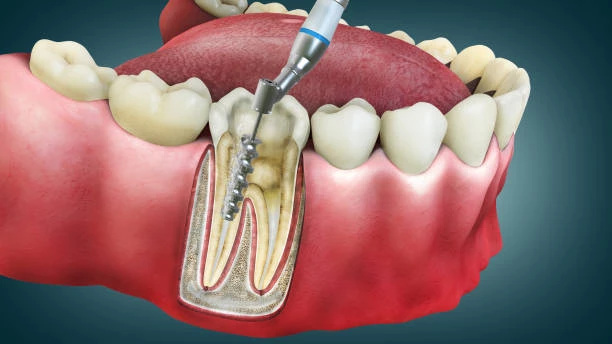
A root canal appointment typically takes 60 to 120 minutes, although complicated cases may require additional time or multiple visits. The exact duration depends on which tooth needs treatment, the number of root canals, and the extent of infection or damage.
If you are wondering how long does a root canal appointment take, understanding the process can help you plan your schedule. At Cascade Dental, we help patients from Hazel Dell, WA, understand what to expect during treatment, including preparation, recovery, and any additional appointments needed to restore their teeth.
Quick Answer: How Long Does a Root Canal Usually Take?
Most root canal appointments take approximately one to two hours. Some straightforward procedures may be completed in about an hour, while more complicated cases can take longer.
The amount of time depends on the tooth’s anatomy, condition, and treatment requirements.
Here is a general comparison:
| Treatment situation | Estimated appointment length |
| Straightforward root canal | 60–90 minutes |
| More complex root canal | 90–120 minutes or longer |
| Root canal retreatment | Varies; may require multiple visits |
| Follow-up restoration | Separate appointment time may be needed |
These are planning estimates rather than guaranteed treatment times.
Some patients complete root canal therapy in one appointment. Others need two or more visits to allow for additional cleaning, medication, or treatment of complicated root anatomy.
The important thing is giving the dentist enough time to clean, disinfect, and seal the tooth properly.
What Happens During a Root Canal Appointment?
A root canal involves several stages, each contributing to the total appointment length. Although the procedure may sound complicated, understanding these steps can make the experience easier to anticipate.
Initial Examination and Evaluation
The dentist examines the affected tooth, reviews symptoms, and takes X-rays when needed.
These images help identify the shape of the roots, areas of infection, and possible complications.
If the diagnosis was already established during an earlier visit, some preparation may already be complete.
Local Anesthesia and Preparation
Before treatment begins, the dentist administers local anesthesia to numb the affected area.
Once the anesthetic takes effect, a protective dental dam is typically placed around the tooth. This helps keep the treatment area clean and isolated from saliva.
Cleaning and Shaping the Root Canals
The dentist creates a small opening to reach the pulp chamber.
Using specialized instruments, the infected or inflamed tissue is removed. The canals are then carefully cleaned, shaped, and disinfected.
This stage often accounts for a substantial portion of the appointment, particularly when the tooth has multiple or unusually shaped canals.
Filling and Sealing the Tooth
After cleaning, the canals are filled with a biocompatible material, commonly gutta-percha, and sealed.
A temporary or permanent restoration is then placed over the opening, depending on the treatment plan.
If additional treatment is required, the dentist may place medication and a temporary filling until the next visit.
What Factors Can Make the Appointment Take Longer?
Not every tooth requires the same amount of treatment. Several factors can influence how long a root canal takes.
Number and Shape of Root Canals
Teeth may contain one or several canals.
A tooth with multiple narrow, curved, or branching canals generally requires more time than one with a simple canal structure.
The dentist must thoroughly locate, clean, and seal the accessible canal system.
Severity of Infection
A tooth with significant infection or inflammation may need additional attention.
The dentist may need more time to disinfect the canals or manage drainage. Depending on the clinical findings, treatment may be divided into separate appointments.
Previous Dental Work
Large fillings, crowns, and other restorations can affect access to the tooth’s interior.
The dentist may need to work around existing materials or address damaged tooth structure before proceeding.
Root Canal Retreatment
Retreatment involves reopening a previously treated tooth.
Existing filling materials may need to be removed before the canals can be examined, cleaned, and sealed again.
This additional work can extend treatment time and may require specialized care.
Unexpected Tooth Anatomy
Certain canals may be particularly narrow, curved, or difficult to locate.
In these situations, the dentist may need additional time or recommend treatment with an endodontist, a dentist who specializes in root canal procedures.
Does the Tooth Location Affect Treatment Time?
Yes. Tooth location can influence the duration of a root canal because different teeth have different root structures.
Front Teeth
Front teeth commonly have one root and one main canal.
Their anatomy is often more straightforward, allowing treatment to be completed relatively quickly when no complications are present.
However, previous injuries, calcified canals, or unusual anatomy can increase treatment time.
Premolars
Premolars are located between the front teeth and molars.
Depending on the tooth, they may contain one or multiple canals. Treatment complexity varies considerably, so their appointment length is not always predictable.
Molars
Molars generally have more complicated internal anatomy.
These back teeth commonly contain several canals, sometimes with curved or narrow passages requiring additional cleaning and shaping.
Because of their location and structure, molar root canals often take longer than treatment involving front teeth.
Tooth location provides a useful starting point, but an examination and X-rays offer a better estimate.
Can a Root Canal Be Completed in One Visit?
Yes. Many root canals can be completed during a single appointment when the tooth’s condition allows thorough cleaning and sealing.
One-visit treatment may be appropriate when:
- The canals can be adequately cleaned and disinfected.
- The tooth has manageable anatomy.
- There are no complications requiring staged treatment.
- The dentist can safely complete the necessary steps during the scheduled visit.
Completing root canal therapy in one visit does not necessarily mean the entire restoration is finished.
The tooth may still require a permanent filling, crown, or another protective restoration.
At Cascade Dental, our treatment recommendations are based on the condition of your tooth rather than an assumption that every procedure should fit into one appointment.
When Are Multiple Appointments Needed?
Some root canals are best completed over two or more visits.
Additional appointments may be necessary when the tooth has a complicated canal system, substantial infection, or a history of unsuccessful treatment.
During the first appointment, the dentist may remove infected tissue, clean the canals, and place medication inside the tooth when indicated.
A temporary filling protects the opening until treatment continues.
At a later visit, the dentist reassesses the tooth, completes the necessary cleaning, and seals the canals when appropriate.
Multiple visits may also be necessary when a patient needs a specialist referral or additional restorative care.
Patients should understand that multiple appointments do not automatically mean the treatment is unsuccessful. Sometimes, dividing the procedure into stages is the most appropriate approach for the tooth’s condition.
How Long Does Numbing and Preparation Take?
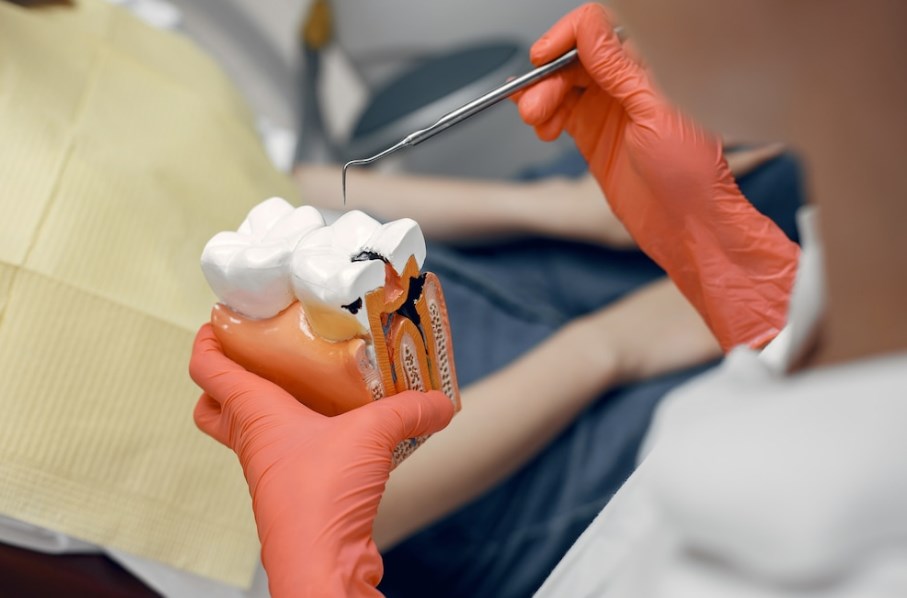
Numbing and preparation contribute to the total appointment length, even before the dentist starts cleaning the canals.
The process includes reviewing the treatment plan, administering local anesthesia, allowing it to become effective, and isolating the tooth.
Some teeth become numb readily, while others require additional time or anesthesia.
Inflammation can occasionally make achieving complete numbness more challenging.
If you experience discomfort during treatment, tell your dentist immediately so they can reassess the anesthesia.
Patients should also remember that the effects of local anesthesia usually continue after the appointment.
Your lips, tongue, or surrounding tissues may remain numb for several hours.
Avoid chewing while the area remains numb to reduce the possibility of accidentally biting your cheek or tongue.
If you are scheduling around work or other responsibilities, account for both the appointment and the period of numbness afterward.
What Happens After the Root Canal Is Finished?
Once the root canals have been cleaned and sealed, the dentist checks the treatment and explains the next steps.
You may receive instructions about eating, oral hygiene, temporary restorations, and follow-up appointments.
Mild Tenderness May Occur
Some soreness or sensitivity around the treated tooth is common during the first few days.
This discomfort generally improves as the surrounding tissues recover.
Follow your dentist’s instructions regarding appropriate pain relief and contact the office if symptoms become worse rather than better.
Eating May Require Temporary Adjustments
Avoid chewing until the anesthesia wears off.
If the tooth has a temporary filling or has not received its final restoration, avoid biting hard or sticky foods with that tooth.
Normal Activities Can Often Resume
Many patients return to ordinary daily activities after a root canal performed with local anesthesia.
However, the dentist may provide different instructions depending on the procedure, medications, or use of sedation.
Watch for Concerning Symptoms
Contact your dentist if you experience increasing pain, persistent swelling, a lost temporary filling, or new symptoms after treatment.
Significant facial swelling, fever, or difficulty swallowing requires prompt assessment. Difficulty breathing is a medical emergency.
When Is a Dental Crown Needed After Treatment?
A dental crown may be recommended after root canal therapy when the remaining tooth structure needs additional protection.
Root canal treatment addresses the tooth’s internal tissues, while a crown helps restore its external strength, shape, and chewing function.
Back teeth, especially molars, frequently benefit from crowns because they experience substantial biting forces.
A crown may also be recommended when the tooth has:
- Extensive decay or a large existing filling
- Cracks or weakened remaining structure
- Significant damage affecting its chewing surfaces
- Insufficient support for a conventional filling
Not every root canal-treated tooth requires a crown. Some front teeth with enough healthy remaining structure may be restored with a filling instead.
The dentist will evaluate the amount of healthy tooth remaining, tooth location, and bite forces before recommending a restoration.
At Cascade Dental, we offer dental crowns, including same-day CEREC options for suitable cases.
However, same-day crown availability does not guarantee that the root canal and final crown can be completed together.
Some teeth need time or additional treatment before they are ready for their permanent restoration.
Completing the recommended restoration is an important part of protecting your treated tooth.
Root Canal Treatment in Hazel Dell, WA
Planning dental treatment can be challenging when you have work, family commitments, or other responsibilities.
At Cascade Dental, we help patients from Hazel Dell and surrounding Vancouver communities understand the expected treatment timeline before their appointment.
Our approach begins with a careful examination of your tooth, symptoms, and dental history.
When root canal therapy is appropriate, we explain what the procedure involves, discuss potential complications, and help you understand whether additional visits or a permanent restoration may be necessary.
Our Vancouver office provides root canal treatment designed to relieve dental pain and preserve natural teeth whenever possible.
Patients in Hazel Dell can visit our office at 16703 SE McGillivray Blvd, Suite 100, Vancouver, WA 98683.
If you are experiencing persistent tooth pain, sensitivity, or swelling, scheduling an evaluation can help identify the cause and determine the appropriate next step.
FAQs About Root Canal Appointment Length
Is 90 minutes enough time for a root canal?
Many uncomplicated root canals can be completed in approximately 90 minutes. However, teeth with multiple canals, infection, or complicated anatomy may require longer appointments.
Can a root canal take three hours?
Yes. Particularly complex cases may take three hours or longer, although many procedures are shorter. Your dentist can provide a more individualized estimate after examining the tooth.
How many appointments are usually needed for a root canal?
Root canal therapy is commonly completed in one or two appointments. Some cases require additional visits, particularly when complications, infection management, or retreatment are involved.
Can I go back to work after a root canal?
Many patients can return to work after treatment with local anesthesia. However, lingering numbness, soreness, sedation, or the nature of your job may affect when you should resume activities.
Is a crown placed during the same appointment as a root canal?
Not always. A crown may require a separate appointment after root canal therapy. Some patients qualify for same-day crowns, but the timing depends on the condition of the tooth and the treatment plan.
How long should I wait before eating after a root canal?
Wait until the numbness has worn off to avoid accidentally biting your tongue or cheek. Follow your dentist’s instructions and avoid chewing hard foods on a tooth that has not received its final restoration.
Schedule Your Root Canal Consultation at Cascade Dental
If you are experiencing persistent tooth pain or have been told you may need a root canal, knowing what to expect can make planning your appointment easier.
At Cascade Dental, we provide personalized dental evaluations and treatment recommendations for patients throughout Hazel Dell, Vancouver, and nearby communities.
Our team will assess your tooth, explain the expected appointment length, and discuss whether additional visits or a dental crown may be needed.
We focus on clear communication, comfortable treatment, and preserving natural teeth whenever possible.
Contact Cascade Dental at (360) 892-2994 to schedule an evaluation and learn more about your root canal treatment options.