Dental Implant Preparation & Supporting Procedures in Vancouver, WA
Procedures like bone grafting and sinus lifts that help ensure successful, long-lasting dental implants
Missing teeth can affect how you eat, speak, and feel about your smile. At Cascade Dental in Vancouver, WA, we offer complete dental implant solutions — including implant placement and preparation procedures like bone grafting — to restore your smile with strength, stability, and confidence.
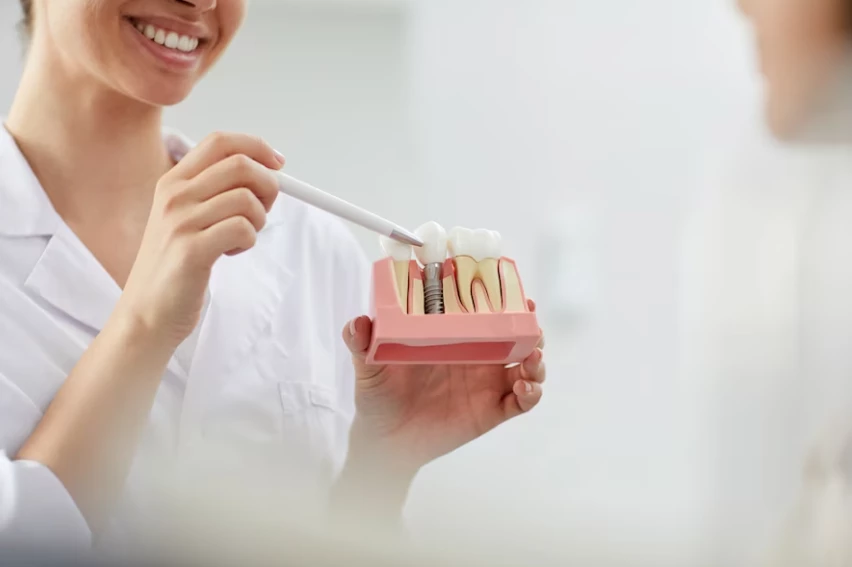
Dental implants are designed to replace missing teeth by placing a small titanium post into the jawbone, which acts as an artificial tooth root. Once healed, a custom crown, bridge, or denture is attached to restore function and appearance.
For many patients, successful implant treatment begins with proper preparation. One of the most important steps may be bone grafting, which helps rebuild the jawbone and create a stable foundation for long-term implant success.
What Are Dental Implants?
Dental implants are one of the most advanced and long-lasting solutions for replacing missing teeth. They are placed directly into the jawbone, where they fuse with the bone through a process called osseointegration, creating a secure and durable foundation.
Dental implants can:
- Restore chewing ability
- Improve speech clarity
- Maintain jawbone structure and prevent bone loss
- Prevent shifting of nearby teeth
- Provide a natural-looking appearance
- Support crowns, bridges, or dentures
With proper care, dental implants can last many years and often feel just like natural teeth.
Why Implant Preparation Matters
Not every patient has enough bone to support an implant right away. When a tooth is lost, the surrounding bone can begin to shrink over time — a process called bone resorption — which reduces the density and volume needed for implant placement.
That’s where implant preparation procedures come in. These treatments help ensure your jaw is healthy, stable, and ready for long-term implant success.
Common implant preparation procedures include:
- Bone grafting
- Socket preservation
- Ridge augmentation
- Sinus lifts
Among these, bone grafting is one of the most important and commonly recommended steps.
What Is Bone Grafting?
Bone grafting is a surgical procedure used to rebuild or strengthen the jawbone. It involves placing bone graft material into areas where bone has been lost or weakened. Over time, the graft integrates with your natural bone and encourages new bone growth, restoring the density and structure needed to support a dental implant securely.
Bone grafting is often necessary when:
- A tooth has been missing for a long time
- Bone loss has occurred due to gum disease
- Trauma or injury has damaged the jaw
- The jawbone is too thin or weak for implants
Without enough bone, implants may not have the support they need to function properly — and bone grafting can make implant treatment possible even for patients who have previously been told they are not candidates.
Why Bone Grafting Is Important for Dental Implants
Dental implants depend on strong, healthy bone to stay stable. Bone grafting helps create that foundation and significantly improves long-term outcomes.
|
✔ Restore jawbone volume and density |
✔ Improve implant success rates |
|
✔ Prevent implant failure |
✔ Maintain facial structure |
|
✔ Support long-term oral health |
✔ Make implants possible after bone loss |
In fact, many implant cases require some level of bone grafting to ensure proper placement and long-term success.
Types of Bone Grafting Procedures
Not all bone grafts are the same. The type of graft used depends on your specific needs and the condition of your jaw.
Socket Preservation
Performed immediately after a tooth extraction, this graft fills the empty socket with graft material to prevent bone loss before it begins.
Ridge Augmentation
Used when the jawbone has become too thin or narrow, ridge augmentation rebuilds the bone to support future implants.
Sinus Lift
For upper back teeth, a sinus lift raises the sinus floor to create enough space for bone and implant placement. This procedure ensures a stable foundation and is performed with precision to minimize risk.
Block Bone Grafts
Used for more advanced bone loss, this technique places a larger piece of bone to rebuild the jaw structure where significant volume is needed.
Types of Bone Graft Materials
Bone grafts can be made from different materials depending on your case:
- Autograft — bone taken from another area of your own body
- Allograft — donor bone from a tissue bank
- Xenograft — animal-derived bone, typically bovine
- Synthetic materials — lab-created options that mimic natural bone
Each option has unique benefits related to healing time, compatibility, and availability. Your dentist will recommend the best option based on your oral health and treatment goals.
The Bone Grafting Process
- Consultation and Imaging — Your dentist evaluates your jawbone using X-rays or 3D imaging to determine if grafting is needed and what type is appropriate.
- Treatment Planning — A personalized plan is created based on bone loss, implant goals, and your overall oral health.
- Bone Graft Placement — The graft material is placed into the area where bone is needed. The site is then secured to allow healing.
- Healing and Integration — Over several months, the graft fuses with your natural bone and stimulates new bone growth.
- Implant Placement — Once the bone is strong and stable, the dental implant is placed into the jaw.
“Healing time for bone grafts typically ranges from a few months to longer, depending on the complexity of the case.”
The Dental Implant Process
After your jaw is ready, implant placement follows a structured, step-by-step process:
- Implant Placement — A titanium post is surgically placed into the prepared jawbone under local anesthesia.
- Osseointegration — The implant fuses with the bone over several months, creating a stable, permanent foundation.
- Abutment Placement — A connector piece is attached to the implant post to hold the final restoration.
- Final Restoration — A custom crown, bridge, or denture is attached to complete your smile — matched to the color, size, and shape of your natural teeth.
What to Expect After Bone Grafting
After a bone graft, mild swelling and discomfort are normal. Most patients recover comfortably with proper care.
You may experience:
- Mild swelling and tenderness
- Temporary discomfort
- Minor bleeding
- Gradual healing over time
General aftercare tips:
- Avoid smoking or vaping — this can significantly delay healing
- Eat soft foods during early healing
- Maintain gentle oral hygiene around the graft site
- Attend all scheduled follow-up visits
Who Is a Candidate for Bone Grafting and Implants?
You may be a candidate if you:
- Have one or more missing teeth
- Have experienced bone loss in the jaw
- Want a long-term tooth replacement solution
- Have healthy gums or are willing to treat gum disease first
- Are committed to oral hygiene and regular follow-up care
Even if you have been told in the past that you are not a candidate for implants, bone grafting may make implant treatment possible.
Why Choose Cascade Dental for Implants and Bone Grafting?
To ensure the longevity of your dental implant, ongoing care is essential:
- Regular check-ups and cleanings — we’ll monitor your implants and address any concerns at each visit.
- Daily oral hygiene — brushing, flossing, and avoiding smoking help keep implants in optimal condition.
- Healthy diet — maintaining good nutrition supports healing and long-term implant health.
Why Choose Cascade Dental for Implants and Bone Grafting?
At Cascade Dental, we provide complete implant care from start to finish — evaluation, preparation procedures like bone grafting, implant placement, and final restoration. Our team has extensive experience in dental implants and supporting procedures, using the latest technology and techniques to ensure the best outcome for every patient.
Patients choose Cascade Dental because we offer:
- Comprehensive implant and bone grafting solutions
- Advanced diagnostic technology including digital X-rays and 3D imaging
- Customized, personalized treatment plans
- Experienced dental professionals
- Comfort-focused care at every stage
- Long-term follow-up and ongoing support
Our goal is to restore your smile in a way that feels natural, functional, and lasting.
Frequently Asked Questions
What is bone grafting in dentistry?
Bone grafting is a procedure that rebuilds or strengthens the jawbone using graft material to support dental implants or other restorations.
Why would I need a bone graft before an implant?
You may need a bone graft if your jawbone does not have enough density or volume to support an implant securely. This is commonly due to bone loss after tooth extraction, gum disease, or trauma.
How long does bone grafting take to heal?
Healing can take several months, depending on the type and extent of the graft. Your dentist will monitor your progress and confirm when your jaw is ready for implant placement.
Are dental implants painful?
Implant procedures are typically performed with local anesthesia, and most patients report minimal discomfort during treatment. Post-procedure soreness is manageable with standard pain relief.
How long do dental implants last?
With proper care, dental implants can last many years — often a lifetime — and function just like natural teeth.
Can I skip bone grafting?
If you do not have enough bone, skipping grafting may significantly increase the risk of implant failure. Your dentist will recommend the best approach based on your individual case.
Is bone grafting safe?
Yes. Bone grafting is a well-established and commonly performed procedure with high success rates when performed by experienced providers. Risks are generally low and may include temporary swelling or minor infection, which proper aftercare helps prevent.
Ensure the Best Implant Results with Supporting Treatments
Maximize the success of your dental implants with complementary procedures like bone grafting and sinus lifts. Schedule a consultation today to learn how these treatments can provide a strong foundation for your new smile.
our service areas
washington
- Other Procedures Related to Dental Implant in Fisher’s Landing East, WA
- Other Procedures Related to Dental Implant in Cascade Park West, WA
- Other Procedures Related to Dental Implant in Burnt Bridge Creek, WA
- Other Procedures Related to Dental Implant in North Image, WA
- Other Procedures Related to Dental Implant in Walnut Grove, WA
- Other Procedures Related to Dental Implant in Washougal, WA
- Other Procedures Related to Dental Implant in Vancouver, WA
- Other Procedures Related to Dental Implant in Orchards, WA
- Other Procedures Related to Dental Implant in Minnehaha, WA
- Other Procedures Related to Dental Implant in Mill Plain, WA
- Other Procedures Related to Dental Implant in Hazel Dell, WA
- Other Procedures Related to Dental Implant in Fisher’s Landing, WA
- Other Procedures Related to Dental Implant in Felida, WA
- Other Procedures Related to Dental Implant in Camas WA
oregon
- Other Procedures Related to Dental Implant in St. Johns, OR
- Other Procedures Related to Dental Implant in Portland, OR
- Other Procedures Related to Dental Implant in Northwest Portland, OR
- Other Procedures Related to Dental Implant in Northeast Portland, OR
- Other Procedures Related to Dental Implant in Maywood Park, OR
- Other Procedures Related to Dental Implant in Interlachen, OR
- Other Procedures Related to Dental Implant in Fairview, OR