Yes, you can get dental implants if you grind your teeth, but your dentist may need to take additional precautions during treatment planning. Teeth grinding, also called bruxism, can place excessive pressure on implants and their restorations, increasing the risk of certain complications.
At Cascade Dental, we help patients in Fisher’s Landing, WA, understand how grinding may affect dental implant treatment. By evaluating your bite, jawbone health, and grinding habits, we can determine whether implants are appropriate and discuss ways to protect your restoration over time.
Quick Answer: Can Teeth Grinders Get Dental Implants?
Yes. Teeth grinding does not automatically disqualify you from receiving dental implants. However, bruxism can increase the risk of mechanical complications and implant failure, making careful treatment planning especially important.
Many patients who grind or clench their teeth may still qualify for implants when their oral health, bone support, and bite conditions are suitable.
Your dentist will consider several factors before recommending treatment:
- Grinding severity: How frequently and forcefully you clench or grind your teeth.
- Jawbone support: Whether sufficient healthy bone is available to support an implant.
- Gum health: Whether periodontal disease or inflammation needs treatment first.
- Bite alignment: How chewing and grinding forces are distributed across your teeth.
- Restoration design: Which type of implant crown, bridge, or prosthesis may be appropriate.
- Protective measures: Whether a custom night guard or other precautions may help.
- Follow-up care: How frequently your implants and restorations should be monitored.
The goal is not simply to determine whether an implant can be placed. It is also to consider how well the implant and its restoration may function under your individual biting forces.
How Teeth Grinding Affects Dental Implants
Bruxism involves repetitive grinding, clenching, or tightening of the jaw muscles.
It may occur while you are asleep or awake, sometimes without your awareness.
Over time, these movements can place substantial stress on natural teeth, dental restorations, and the structures supporting them.
Sleep Bruxism
Sleep bruxism occurs during sleep and may involve involuntary grinding or clenching.
You may not realize you grind your teeth until a dentist notices worn enamel or damaged restorations.
Possible signs include morning jaw soreness, headaches, tooth sensitivity, or reports of grinding noises from someone sleeping nearby.
Awake Bruxism
Awake bruxism commonly involves clenching or sustained contact between the upper and lower teeth.
Some people notice these habits when concentrating, working, or experiencing stress.
Repeated muscle activity can contribute to tooth wear and jaw discomfort.
Why Grinding Matters for Implants
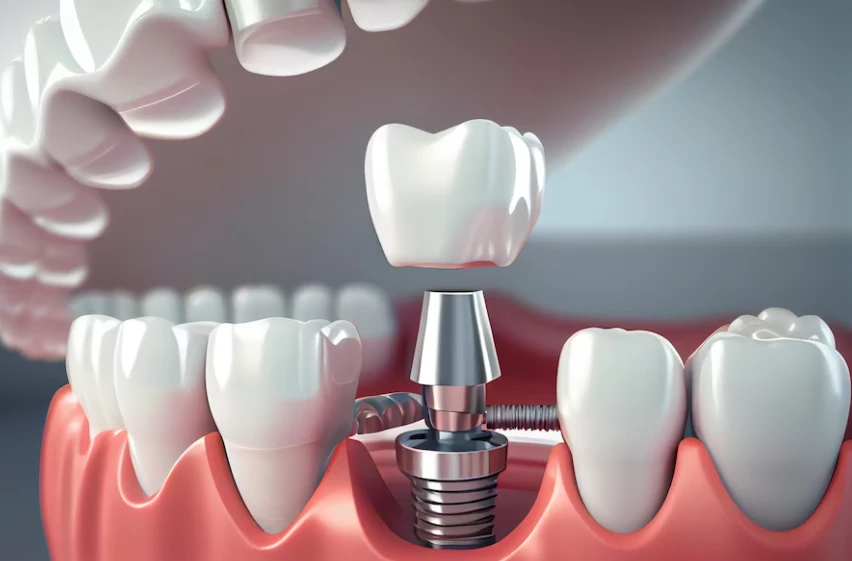
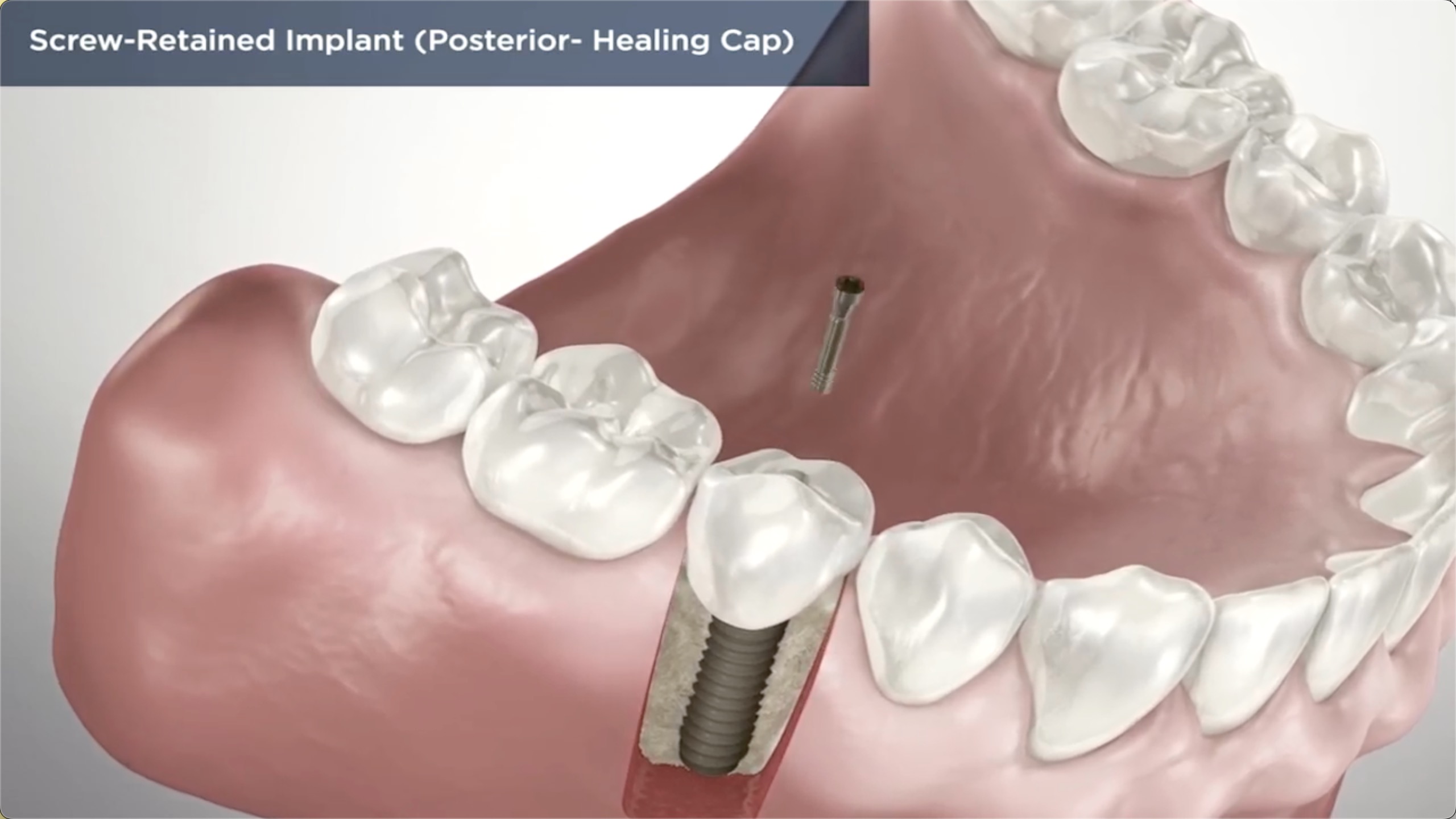
A dental implant replaces the root of a missing tooth and supports an artificial restoration.
Although implants are designed to handle normal chewing forces, repeated excessive pressure can create additional mechanical stress.
This does not mean that every patient with bruxism will experience implant complications.
However, identifying grinding habits before treatment allows your dentist to consider measures that may reduce avoidable risks.
Can Bruxism Increase Stress on an Implant?
Yes. Bruxism can expose dental implants to repeated forces that differ from ordinary chewing.
Natural teeth are surrounded by periodontal ligaments, which provide a small amount of movement and help distribute biting forces.
Dental implants work differently.
Once an implant integrates with the jawbone through a process called osseointegration, it becomes firmly anchored without a natural periodontal ligament.
As a result, excessive pressure can be transferred more directly through the implant restoration and supporting structures.
What Happens When an Implant Experiences Excessive Force?
Repeated heavy forces may contribute to:
- Loosening of prosthetic screws
- Damage to the implant abutment
- Fractures in implant-supported restorations
- Wear or chipping of restorative materials
- Mechanical stress on the implant system
- Increased risk of implant complications or failure
Research has identified an association between bruxism and higher implant failure rates.
However, the effects vary considerably between patients, and not every complication can be attributed to grinding alone.
Does Grinding Automatically Cause Implant Failure?
No. Many patients with grinding habits can receive successful implant treatment.
Other factors, including gum health, bone quality, implant positioning, smoking, and oral hygiene, also influence outcomes.
The relationship between bruxism and bone loss around implants remains less certain than its association with mechanical complications.
Your dentist must evaluate the complete clinical picture rather than assuming that grinding alone will determine implant success.
How Grinding Can Affect Implant Crowns and Restorations
An implant-supported restoration is the visible replacement tooth or teeth attached to the implant.
This may be a single crown, a bridge, or another type of prosthesis.
Even when the implant itself remains stable, the restoration can experience problems from repeated grinding forces.
Chipped or Fractured Crowns
Grinding may place substantial pressure on ceramic and other restorative materials.
Over time, this can contribute to small chips, cracks, or fractures.
The likelihood of damage depends on the material, restoration design, and forces involved.
Loose Prosthetic Screws
Some implant restorations are secured using screws.
Repeated loading may contribute to screw loosening, potentially causing the restoration to feel unstable.
A loose implant crown is not necessarily the same as a loose implant post.
However, either problem requires professional evaluation.
Excessive Restoration Wear
Bruxism may gradually wear down the surface of an implant crown or the natural teeth opposing it.
This can change how your upper and lower teeth meet.
Changes in bite contact may create additional stress or discomfort.
Can a Damaged Implant Crown Be Repaired?
Sometimes. Depending on the problem, a dentist may be able to repair or replace the restoration without removing the implant.
However, the appropriate treatment depends on whether the damage involves the crown, abutment, screw, or implant itself.
Report any unusual movement, chipping, or changes in your bite promptly rather than continuing to chew on a damaged restoration.
Does Bruxism Change Implant Treatment Planning?
Yes. Patients who grind their teeth may need additional considerations during implant planning.
At Cascade Dental, we evaluate the condition of your mouth, remaining teeth, and supporting structures before recommending a treatment approach.
Implant Position and Bone Support
The location and position of an implant influence how forces are transferred during biting.
Adequate bone volume and appropriate implant placement are important considerations.
If the jawbone lacks sufficient support, additional preparation may be necessary before placement.
Bite Alignment
Your dentist will evaluate how your teeth contact one another.
Uneven bite pressure, existing wear, or heavily loaded areas may influence restoration planning.
The goal is to design a restoration that functions appropriately with your existing bite.
Restoration Materials and Design
Some restorative materials and designs may be more suitable than others when substantial grinding forces are present.
Your dentist may consider the strength of the material, available space, and how the restoration distributes pressure.
No material is completely resistant to damage from excessive force.
Healing and Loading Decisions
Implants need sufficient stability and healing before they can safely support certain chewing forces.
For some patients, immediate loading may not be appropriate.
A history of significant grinding can be one factor when determining the timing of temporary and final restorations.
Learn more about our dental implant services in Vancouver, WA and how we approach individualized tooth replacement planning.
Can a Night Guard Help Protect Dental Implants?
Yes. A professionally fitted night guard may help protect implant-supported restorations from some of the effects of nighttime grinding.
A night guard is a removable appliance worn over the teeth while sleeping.
It creates a protective surface between the upper and lower arches and can help distribute contact forces.
How Night Guards May Help
A custom night guard may:
- Reduce direct grinding contact between dental restorations
- Help distribute pressure across the bite
- Protect natural teeth from additional wear
- Reduce the likelihood of certain restoration-related complications
- Provide a protective surface for implant crowns and other dental work
However, a night guard does not necessarily stop the jaw muscles from clenching or grinding.
It also cannot guarantee that an implant will remain free from complications.
Should Everyone With Dental Implants Wear a Night Guard?
Not necessarily.
Your dentist may recommend a night guard if there is evidence of nighttime grinding, restoration damage, or other risk factors.
The decision depends on your bite, implant restoration, and individual needs.
If you already wear a night guard, your dentist should check whether it still fits correctly after implant treatment.
An appliance made before your dental restoration may require adjustment or replacement.
At Cascade Dental, our custom night guards are designed to help protect teeth and dental restorations from grinding-related wear.
What Other Protective Approaches May Be Recommended?
Night guards are only one part of managing bruxism in patients considering dental implants.
Depending on your symptoms and oral health, your dentist may recommend additional approaches.
Managing Daytime Clenching
If you frequently clench your teeth while awake, becoming aware of the habit may help reduce unnecessary tooth contact.
During relaxed periods, your upper and lower teeth should generally remain slightly apart.
Your dentist may suggest behavioral strategies to help you recognize and reduce repeated clenching.
Reviewing Jaw Pain and Related Symptoms
Bruxism sometimes occurs alongside jaw discomfort, muscle tenderness, or other conditions affecting the jaw.
These concerns may require further evaluation before or during restorative treatment.
Treatment should address the specific symptoms and diagnosis rather than assuming every case of jaw pain is caused by grinding.
Maintaining Healthy Gums
Healthy tissues surrounding an implant are important for long-term function.
Regular brushing, cleaning between teeth, and professional maintenance help reduce the risk of inflammation around implants.
Grinding management does not replace good oral hygiene or periodontal care.
Avoiding Unnecessary Mechanical Stress
Patients may also be advised to avoid chewing ice, biting extremely hard objects, or using their teeth to open packaging.
These habits can increase the risk of damage to natural teeth and implant restorations.
The recommended protective measures will depend on your treatment plan and existing risk factors.
How Dentists Evaluate Grinding Before Implant Treatment
An implant consultation involves more than examining the space where a tooth is missing.
When bruxism is suspected, your dentist may evaluate several factors to understand its potential effects.
Reviewing Your Symptoms
We may ask whether you experience:
- Jaw soreness after waking
- Repeated morning headaches
- Tooth sensitivity
- Grinding noises during sleep
- Frequent clenching while concentrating
- Previous cracked teeth or dental restorations
- A history of broken fillings or crowns
These symptoms can suggest grinding but do not independently confirm its presence or severity.
Examining Tooth Wear
Flattened biting surfaces, enamel fractures, and damaged restorations may provide clues about past or ongoing forces.
However, tooth wear can have multiple causes and does not always indicate current bruxism.
Checking Your Bite
We examine how your teeth meet and whether certain areas appear to experience excessive contact.
The relationship between your upper and lower teeth helps inform restorative planning.
Evaluating Bone and Gum Health
Dental imaging and clinical measurements can help determine whether the proposed implant site has appropriate support.
At Cascade Dental, implant planning may include digital X-rays and, when indicated, three-dimensional imaging to examine the jawbone and surrounding structures.
Discussing Your Individual Risk
After reviewing the findings, we can explain whether grinding may affect your treatment plan.
Some patients may proceed with implants alongside protective measures.
Others may benefit from addressing existing dental problems or obtaining additional evaluation before treatment begins.
When Is Additional Monitoring Needed After Implant Placement?
Patients with bruxism may benefit from closer monitoring after receiving dental implants, particularly when their grinding is frequent or they have experienced previous restoration damage.
Follow-up appointments allow the dentist to evaluate the implant, restoration, bite, and surrounding tissues.
During the Healing Period
After placement, the implant gradually integrates with the jawbone.
Your dentist will provide instructions about chewing, temporary restorations, and activities that could place excessive pressure on the area.
Follow these instructions carefully and report unexpected pain or movement.
After the Final Restoration Is Placed
Once the permanent restoration is attached, follow-up evaluations may include:
- Checking crown and abutment stability
- Assessing bite contact and pressure distribution
- Looking for chips, fractures, or abnormal wear
- Evaluating surrounding gum health
- Reviewing night guard fit and condition
- Monitoring bone support when clinically indicated
The recommended appointment schedule depends on your individual risk factors.
What Warning Signs Should You Report?
Contact your dentist if you notice:
- A crown that suddenly feels loose
- New pain or discomfort when biting
- Chipping or cracking of the restoration
- Bleeding or swelling around the implant
- Persistent tenderness
- A change in how your teeth fit together
An implant post should not feel mobile once it has integrated with the bone. If you notice movement, avoid chewing on the area and seek prompt dental evaluation.
Regular monitoring helps identify problems before they become more extensive.
Dental Implant Planning in Fisher’s Landing, WA
If you are missing a tooth but regularly grind or clench your teeth, you may wonder whether implants are a suitable replacement option.
At Cascade Dental, we help patients in Fisher’s Landing and surrounding Vancouver communities evaluate their dental implant options while considering their existing bite and oral health.
Our team begins with a comprehensive evaluation of your teeth, gums, and jawbone.
For patients with suspected bruxism, we also consider signs of tooth wear, restoration damage, and excessive biting pressure.
These findings help us determine whether additional protective measures or treatment planning considerations may be appropriate.
We offer dental implant consultations and custom night guards as part of our restorative and general dentistry services.
Our office is located at 16703 SE McGillivray Blvd, Suite 100, Vancouver, WA 98683, near SE 164th Avenue in the Fisher’s Landing area.
Whether you are considering your first dental implant or already have an implant-supported restoration, our team can help you understand how grinding may affect your dental care.
FAQs About Dental Implants and Teeth Grinding
Can I get dental implants if I have severe bruxism?
Possibly. Severe bruxism can increase the risk of implant complications, but it does not automatically rule out treatment. Your dentist must evaluate your bite, bone support, and overall oral health before determining eligibility.
Can grinding cause a dental implant to fail?
Grinding is associated with an increased risk of implant failure and mechanical complications. However, not everyone who grinds experiences implant problems, and other factors also affect treatment outcomes.
Do dental implants wear down from grinding?
The implant post itself does not wear like natural enamel, but the attached crown or restoration can chip, fracture, or experience mechanical damage from repeated excessive pressure.
Do I need a night guard after dental implants?
A dentist may recommend a custom night guard if you grind your teeth while sleeping. It can help protect restorations, but it does not completely eliminate grinding forces or prevent every complication.
Can teeth grinding loosen an implant crown?
Yes. Repeated grinding forces may contribute to loosening of screws or damage to the restoration. A loose crown should be evaluated promptly to identify the affected component.
How often should teeth grinders have their implants checked?
The frequency depends on the severity of grinding, the implant restoration, and your oral health. Your dentist may recommend more frequent evaluations if you have a history of mechanical complications.
Discuss Dental Implant Options With Cascade Dental
Grinding your teeth does not necessarily mean you have to give up on dental implants.
At Cascade Dental, we help patients in Fisher’s Landing, Vancouver, and nearby communities understand their tooth replacement options and the factors that may affect treatment.
If you experience nighttime grinding, frequent clenching, or a history of damaged dental restorations, our team can evaluate your oral health and discuss appropriate precautions before implant treatment.
We consider your bite, jawbone support, restoration needs, and long-term maintenance when developing recommendations.
Our goal is to help you make informed decisions about replacing missing teeth while understanding the benefits, limitations, and potential risks.
Call Cascade Dental at (360) 892-2994 or contact our office to schedule a dental implant consultation and learn whether implants may be appropriate for you.