A loose adult tooth can be a sign of gum disease, bone loss, excessive bite pressure, or an injury affecting the tissues that support your tooth. Unlike baby teeth, permanent teeth are not supposed to become noticeably loose, so any new or worsening movement deserves dental attention.
At Cascade Dental, we help patients in Mill Plain, WA, understand changes in their oral health and identify possible causes of tooth mobility. Recognizing the warning signs and scheduling an evaluation early may improve the chances of preserving your natural tooth.
Loose Adult Tooth? Don't Wait!
A loose tooth could signal a serious dental issue. Call today for a professional evaluation and treatment.
Quick Answer: Why Does an Adult Tooth Feel Loose?
An adult tooth may feel loose when the surrounding gums, periodontal ligament, or jawbone can no longer support it as firmly as they should.
Common causes include:
- Gum disease: Inflammation and infection can damage the tissues holding teeth in place.
- Bone loss: Reduced supporting bone can make teeth less stable.
- Teeth grinding: Repeated pressure may strain the tissues surrounding a tooth.
- Dental injuries: A fall, accident, or direct impact can damage the tooth’s supporting structures.
- Infection: Certain dental infections may cause inflammation and increased tooth mobility.
- Bite problems: Excessive forces on individual teeth can contribute to movement or discomfort.
Healthy teeth have a very small amount of natural movement because they are supported by periodontal ligaments. However, noticeable looseness, shifting, or changes in your bite should not be ignored.
A dental examination is necessary to determine whether the movement involves the tooth itself, a restoration, or the surrounding tissues.
What Causes Tooth Mobility in Adults?
Tooth mobility occurs when a permanent tooth moves more than expected within its socket.
Several structures work together to support your teeth. These include the gums, periodontal ligaments, and alveolar bone, which is the part of your jawbone surrounding the tooth roots.
When one or more of these structures becomes damaged, the tooth may lose stability.
Gradual Loosening
A tooth that becomes loose over several months may be associated with progressive periodontal disease or changes in bone support.
You might first notice discomfort while chewing, food becoming trapped between teeth, or a small change in their alignment.
Some patients experience little or no pain, even when significant periodontal damage is present.
Sudden Loosening
A tooth that suddenly feels loose may be affected by an injury, acute infection, or excessive biting force.
Sudden movement is particularly concerning when accompanied by pain, bleeding, swelling, or a change in the tooth’s position.
Movement That Only Feels Like a Loose Tooth
Sometimes, a loose dental crown or filling can create the sensation that a tooth is moving.
A cracked tooth or inflammation around the root may also make the tooth feel different when biting.
Because these problems require different treatments, avoid assuming the cause without a professional evaluation.
How Gum Disease Can Affect Tooth Support
Gum disease is an important cause of tooth mobility in adults.
The condition begins when bacterial plaque accumulates around the teeth and gumline. Without proper management, inflammation can progress and damage the supporting tissues.
Gingivitis and Early Gum Inflammation
Gingivitis is the earliest stage of gum disease.
Common symptoms include redness, swelling, and bleeding during brushing or flossing.
At this stage, the deeper supporting bone has not typically been damaged.
Gingivitis alone generally does not cause significant permanent tooth mobility, but untreated inflammation can progress to more serious periodontal problems.
Periodontitis and Loss of Support
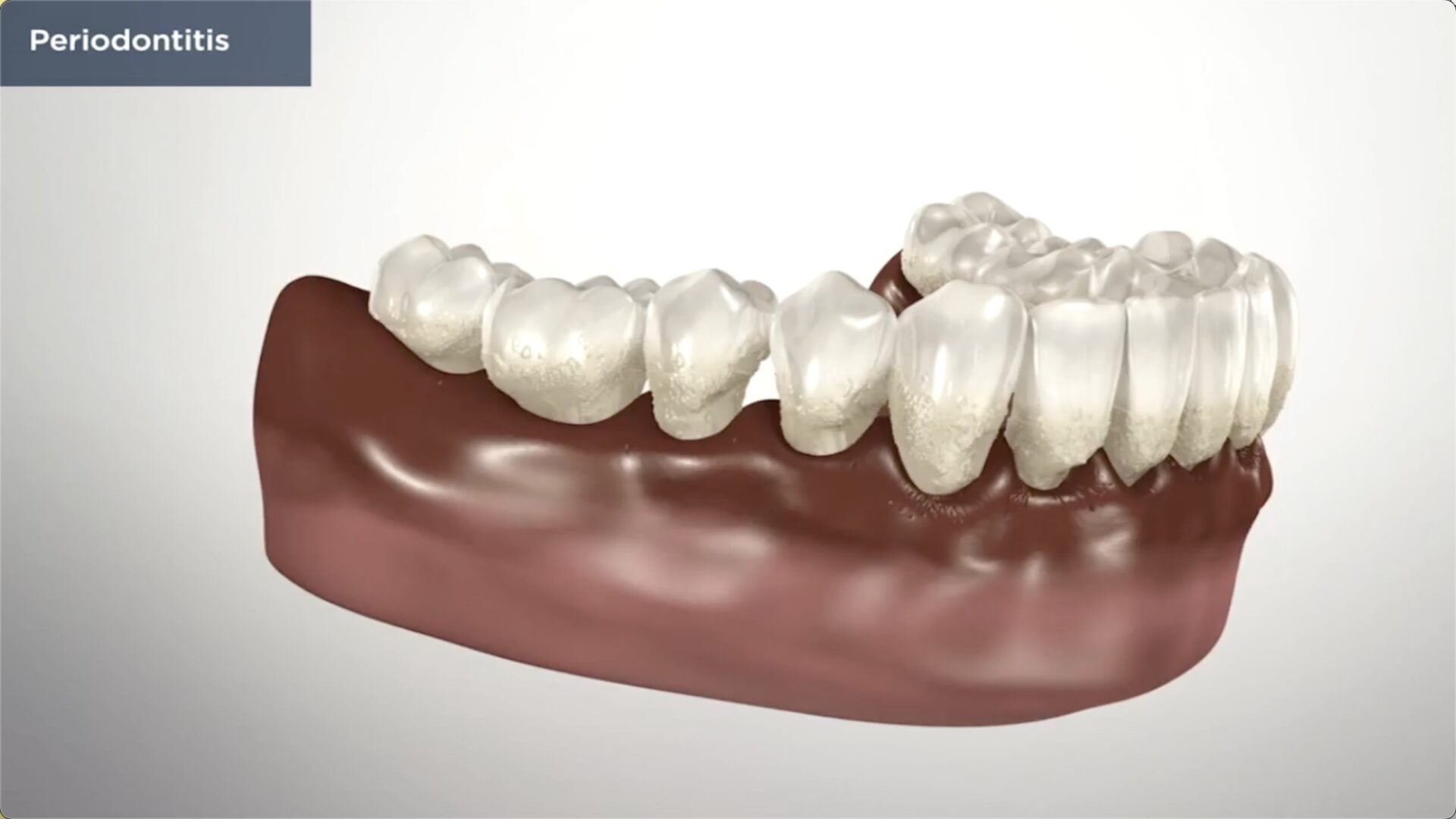
Periodontitis develops when inflammation affects the deeper structures supporting the teeth.
Over time, the periodontal ligament and surrounding bone can deteriorate, reducing the tooth’s stability.
Warning signs may include:
- Bleeding or swollen gums
- Persistent bad breath
- Receding gums
- Teeth appearing longer than before
- New spaces developing between teeth
- Changes in how the teeth fit together
- Loose or shifting permanent teeth
Not everyone with periodontitis experiences pain. This is why regular dental examinations are important, even when your mouth feels comfortable.
At Cascade Dental, our periodontal treatment services help patients address gum inflammation and periodontal problems.
Treatment recommendations depend on the severity of the condition and the amount of remaining tooth support.
How Bone Loss Can Make a Tooth Feel Loose
The jawbone surrounding each tooth provides an essential foundation for keeping it stable.
When this bone gradually deteriorates, the tooth loses some of the support needed to withstand normal chewing forces.
Why Does Bone Loss Occur?
Periodontitis is a common cause of bone loss around permanent teeth.
Chronic inflammation associated with periodontal disease can gradually destroy the supporting bone and periodontal ligament.
Other conditions, including certain infections or injuries, may also affect the bone around an individual tooth.
Can Bone Loss Happen Without Pain?
Yes. Bone loss related to periodontal disease may develop gradually without producing noticeable discomfort.
A patient may not realize there is a problem until the tooth begins shifting or feels different while chewing.
Changes in tooth spacing, gum recession, and bite alignment can sometimes provide additional clues.
Can Lost Bone Grow Back?
Bone that has been lost through periodontal disease does not usually regenerate on its own.
Certain periodontal procedures may support bone regeneration in selected cases, but treatment outcomes depend on the type and extent of damage.
Professional treatment can help control inflammation and prevent additional deterioration.
Dentists use clinical measurements and dental X-rays to assess bone support and determine whether the affected tooth can be maintained.
Can Teeth Grinding or Bite Pressure Be a Cause?
Yes. Teeth grinding, also called bruxism, and excessive bite pressure can place additional stress on a tooth’s supporting structures.
Grinding often occurs during sleep, so patients may not realize it is happening.
Repeated clenching or grinding can strain the periodontal ligament and contribute to discomfort or increased mobility.
Signs of Excessive Bite Pressure
Possible symptoms include:
- Morning jaw soreness or stiffness
- Flattened or worn tooth surfaces
- Sensitive teeth
- Headaches after waking
- Cracked or chipped teeth
- Discomfort when chewing
- A tooth that feels different when biting
Grinding does not automatically mean you have gum disease. However, excessive force may worsen mobility when periodontal support is already compromised.
Can an Uneven Bite Make One Tooth Feel Loose?
Sometimes, a tooth receives more pressure than surrounding teeth because of the way the upper and lower teeth meet.
Recent dental restorations, tooth movement, or changes in bite alignment may contribute to uneven contact.
Your dentist can evaluate whether bite pressure is affecting the tooth.
For patients with diagnosed grinding or clenching, our custom night guards may help protect teeth from repeated grinding forces.
However, a night guard cannot replace treatment for periodontal disease, infection, or other underlying causes of tooth mobility.
Can an Injury Make a Permanent Tooth Loose?
A dental injury can damage the periodontal ligaments, surrounding bone, or tooth root.
This may happen after a sports injury, fall, automobile accident, or direct impact to the mouth.
Sometimes, an injury is obvious because the tooth moves or changes position immediately.
In other cases, the tooth may initially appear normal but become tender or loose afterward.
Signs of a Tooth Injury
You may notice:
- A tooth moving when touched
- Pain when biting down
- Bleeding around the gumline
- Swelling near the affected tooth
- A tooth appearing longer or displaced
- Difficulty bringing the teeth together normally
If your tooth becomes loose after an injury, contact a dentist immediately.
Depending on the damage, professional treatment may involve repositioning or temporarily stabilizing the tooth while its supporting tissues heal.
What Should You Do Before Seeing a Dentist?
Until you receive professional care:
- Avoid chewing with the injured tooth.
- Do not repeatedly wiggle or test its movement.
- Choose soft foods if eating is comfortable.
- Keep the mouth clean with gentle brushing.
- Avoid attempting to reposition or stabilize the tooth yourself.
If a permanent tooth is completely knocked out, it requires immediate emergency dental care. Keep the tooth moist, preferably in milk or an appropriate tooth preservation solution if it cannot be safely reinserted, and seek help immediately.
Prompt treatment is particularly important after traumatic dental injuries.

What Happens During a Dental Exam? A Step-by-Step Guide for Patients
A routine exam usually starts with a review of your dental and medical history. Your dentist checks each tooth for…

What Warning Signs Need Urgent Dental Care?
A loose permanent tooth should be evaluated promptly, even when it is not painful.
However, certain symptoms indicate that more urgent attention may be necessary.
Contact a dentist as soon as possible, preferably the same day, if you experience:
- Sudden or rapidly worsening tooth looseness
- A loose tooth after a fall or accident
- Significant pain when biting
- Swollen, red, or bleeding gums around the tooth
- Pus or an unpleasant taste suggesting infection
- A tooth that has shifted out of position
- Fever accompanied by dental pain or swelling
- Difficulty chewing because a tooth feels unstable
A tooth that becomes progressively looser should not be left untreated while waiting for symptoms to improve.
When Is Emergency Medical Care Necessary?
Seek immediate emergency medical attention if you develop severe facial swelling, uncontrolled bleeding, difficulty breathing or swallowing, or a serious facial or jaw injury.
These symptoms may indicate a condition that requires more than routine dental treatment.
Should You Try to Tighten a Loose Tooth at Home?
No. Avoid pushing, pulling, or repeatedly moving the tooth with your fingers or tongue.
Home remedies cannot reliably restore damaged periodontal ligaments or lost supporting bone.
Continuing your normal oral hygiene routine gently is important, but professional evaluation is needed to identify the cause and appropriate treatment.
How Dentists Evaluate a Loose Tooth
Determining why a tooth feels loose requires more than checking whether it moves.
At Cascade Dental, we begin by reviewing your symptoms, dental history, and any recent injuries or changes in your bite.
The evaluation may include several steps.
Examining Tooth Movement
Your dentist carefully assesses how much the affected tooth moves and whether the movement is greater than expected.
Movement may be evaluated in different directions to understand the degree of instability.
Checking the Gums
The gums are examined for inflammation, bleeding, recession, and signs of periodontal disease.
A periodontal probe may be used to measure the spaces between the teeth and gums.
Deeper periodontal pockets can indicate problems with the supporting tissues.
Reviewing Dental X-Rays
Dental X-rays can help reveal changes that are not visible during a routine examination.
These may include bone loss, certain root abnormalities, and other conditions affecting tooth stability.
Evaluating Bite Pressure
The dentist may examine how your teeth meet when you bite and look for evidence of grinding, clenching, or uneven pressure.
Additional tests may be recommended if a crack, root infection, or dental injury is suspected.
Discussing the Findings
After the examination, we explain what we find and discuss the appropriate next steps.
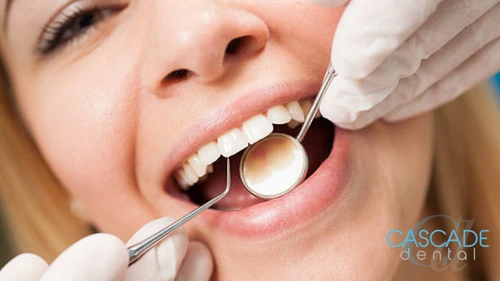
Our dental exams help identify oral health concerns and provide the information needed for individualized treatment recommendations.
What Treatment Options May Help?
Treatment for a loose adult tooth depends on the underlying cause, remaining bone support, degree of mobility, and condition of the tooth.
There is no single treatment that works for every situation.
Periodontal Care
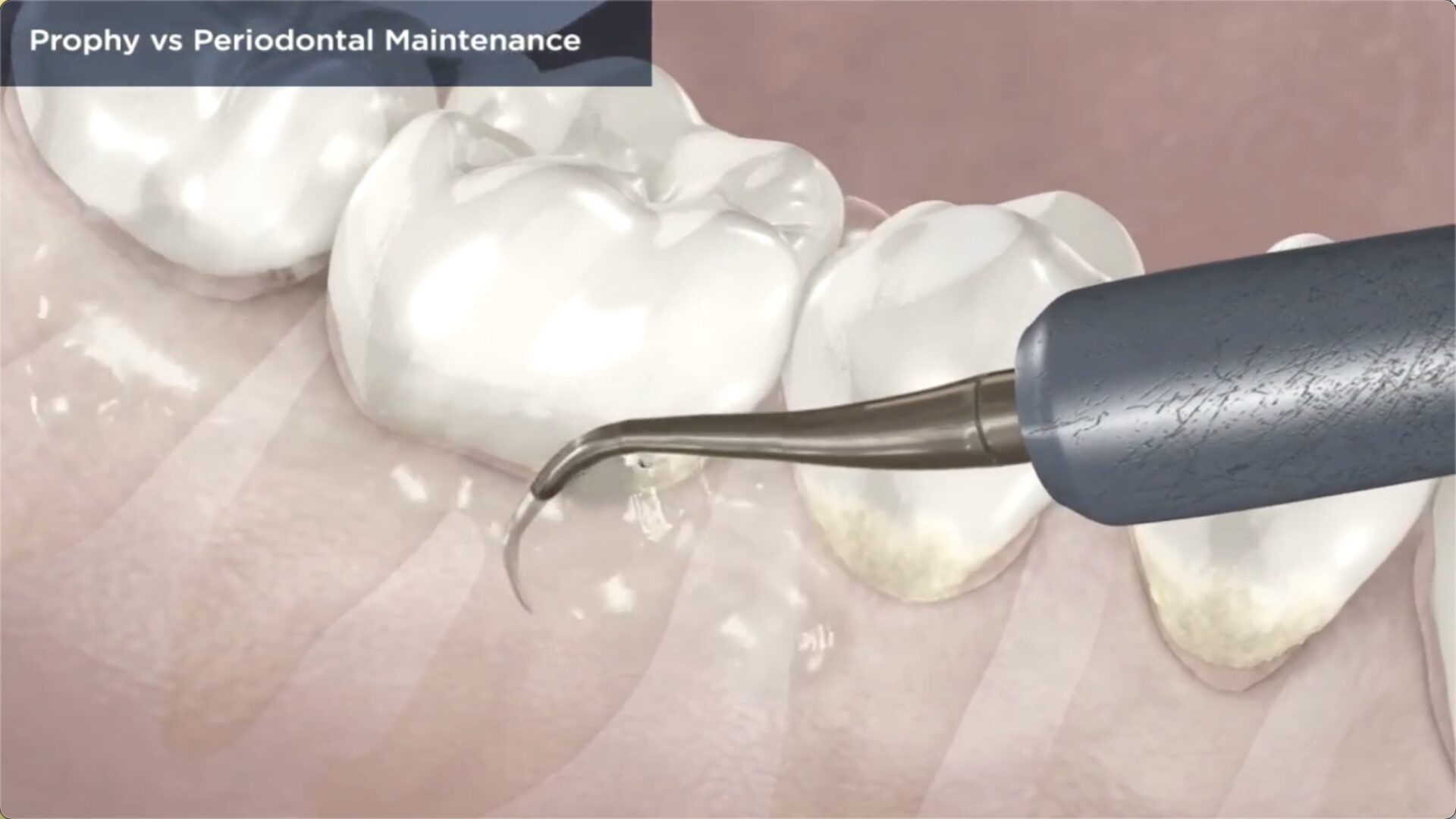
When gum disease contributes to mobility, treatment may include professional cleaning, scaling and root planing, and ongoing periodontal maintenance.
The goal is to reduce inflammation and control the disease process.
Managing Grinding and Bite Pressure
Patients who grind their teeth may benefit from a custom night guard or other measures recommended after a bite evaluation.
Addressing excessive forces can help protect the affected tooth from additional strain.
Temporary Tooth Stabilization
In selected cases, a dentist may recommend splinting, which connects a mobile tooth to neighboring teeth for support.
Splinting may be appropriate after certain injuries or in specific periodontal situations, but it does not correct the underlying cause of looseness.
Treating Dental Infections
If an infection is contributing to the problem, treatment depends on its source.
Options may include periodontal care, root canal therapy, drainage, or other procedures as clinically indicated.
Tooth Removal When Necessary
When a tooth has extensive structural damage or inadequate remaining support, extraction may be recommended.
However, a loose tooth does not automatically mean it must be removed.
A thorough assessment helps determine whether preserving the natural tooth is a reasonable option.
Loose Tooth Evaluation in Mill Plain, WA
Noticing that a permanent tooth feels loose can be concerning, especially when you do not know what caused it.
At Cascade Dental, we welcome patients from Mill Plain and surrounding Vancouver neighborhoods who are experiencing tooth mobility, gum discomfort, bite changes, and other oral health concerns.
Our team evaluates the condition of your teeth, gums, and supporting structures to help identify possible causes.
We may examine your periodontal health, assess bite pressure, and use dental imaging when necessary.
Whether the concern involves suspected gum disease, grinding, or a recent injury, we explain our findings and recommend appropriate next steps.
Our office is located at 16703 SE McGillivray Blvd, Suite 100, Vancouver, WA 98683, in the Fisher’s Landing area of east Vancouver.
If your tooth has suddenly become loose or is accompanied by pain, bleeding, or swelling, contact our office promptly for guidance about urgent dental care.
FAQs About Loose Adult Teeth
Can a loose adult tooth tighten back up?
Sometimes. A tooth may become more stable when inflammation or injury-related damage heals. However, mobility caused by significant bone loss may not fully resolve. Treatment depends on the underlying cause.
Is it normal for adult teeth to move slightly?
Healthy teeth have minimal natural movement because of their periodontal ligaments. Noticeable looseness, shifting, or increasing movement is not considered normal and should be evaluated.
Can gum disease make only one tooth loose?
Yes. Periodontal damage can be more severe around one tooth than others. However, isolated looseness may also result from an injury, bite pressure, or another dental problem.
Why does my tooth feel loose but not hurt?
Periodontal disease can cause gradual loss of tooth support without significant pain. A painless loose tooth still requires dental evaluation because the absence of discomfort does not rule out serious problems.
Will a loose tooth always need to be removed?
No. Some loose teeth can be preserved with appropriate treatment, depending on their remaining support and the cause of mobility. Extraction is generally considered when the tooth cannot be predictably maintained.
How quickly should I see a dentist for a loose adult tooth?
Arrange an evaluation promptly. Seek same-day dental advice if the movement is sudden, worsening, or associated with injury, pain, swelling, or bleeding.
Schedule a Loose Tooth Evaluation at Cascade Dental
If you have noticed a tooth moving, shifting, or feeling unstable when you bite, it is important to understand what may be happening beneath the gumline.
At Cascade Dental, we provide comprehensive dental evaluations for patients in Mill Plain, Vancouver, and nearby communities.
Our team takes time to examine your teeth and gums, review your symptoms, and identify whether periodontal problems, bite pressure, injury, or another condition may be contributing to the movement.
We will explain the findings, discuss available treatment options, and help you understand the next steps for protecting your oral health.
Call Cascade Dental at (360) 892-2994 to schedule an appointment. If your permanent tooth suddenly becomes loose or you experience swelling, bleeding, or significant discomfort, contact us promptly for urgent dental guidance.
Worried About a Loose Tooth?
Protect your smile with expert dental care. Schedule an appointment today before the problem gets worse.