Sudden dental pain can leave you wondering where to go for fast, reliable care. Whether you are dealing with swelling, a cracked tooth, or severe discomfort, getting the right help quickly matters.
In many cases, a dental clinic in Vancouver, WA is the most practical place to start because dental professionals can identify and treat the source of the problem.
Knowing what counts as a dental emergency can also help you decide whether you need immediate treatment or whether the issue can safely wait for a regular appointment.
Knowing when to choose a dental provider instead of urgent care or the emergency room can help you make a better decision when time, comfort, and oral health matter most.
Are Walk-In Dental Clinics a Good Option For Urgent Dental Care?
In many situations, yes, walk-in dental clinics are one of the best options for urgent dental care. They focus specifically on teeth, gums, and other oral structures, which gives them a clear advantage when the pain is coming from your mouth.
They Focus on the Real Cause of the Problem
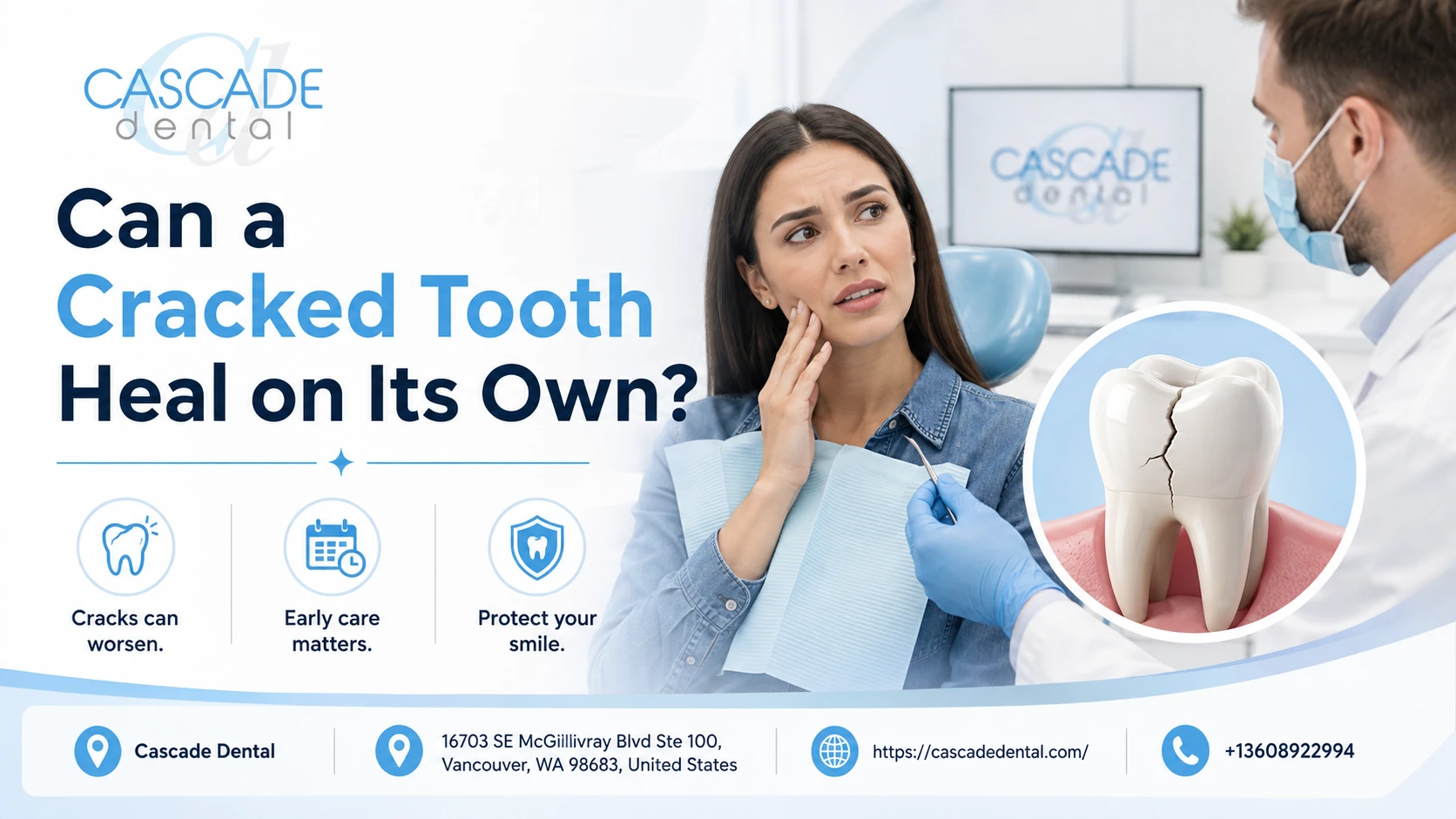
If you have a cracked tooth, a severe cavity, gum swelling, or pain when biting down, a walk-in dental clinic is often the right place to go. Unlike non-dental providers, a dental team can examine your teeth, take imaging if needed, and determine whether the issue is caused by decay, infection, trauma, or gum disease.
That matters because dental pain usually does not go away on its own. A dentist office can often provide treatment that addresses the real cause instead of offering only short-term symptom relief.
They Can Often Handle Common Urgent Problems Quickly
Walk-in clinics can be especially helpful for issues like:
- sudden toothaches
- broken or chipped teeth
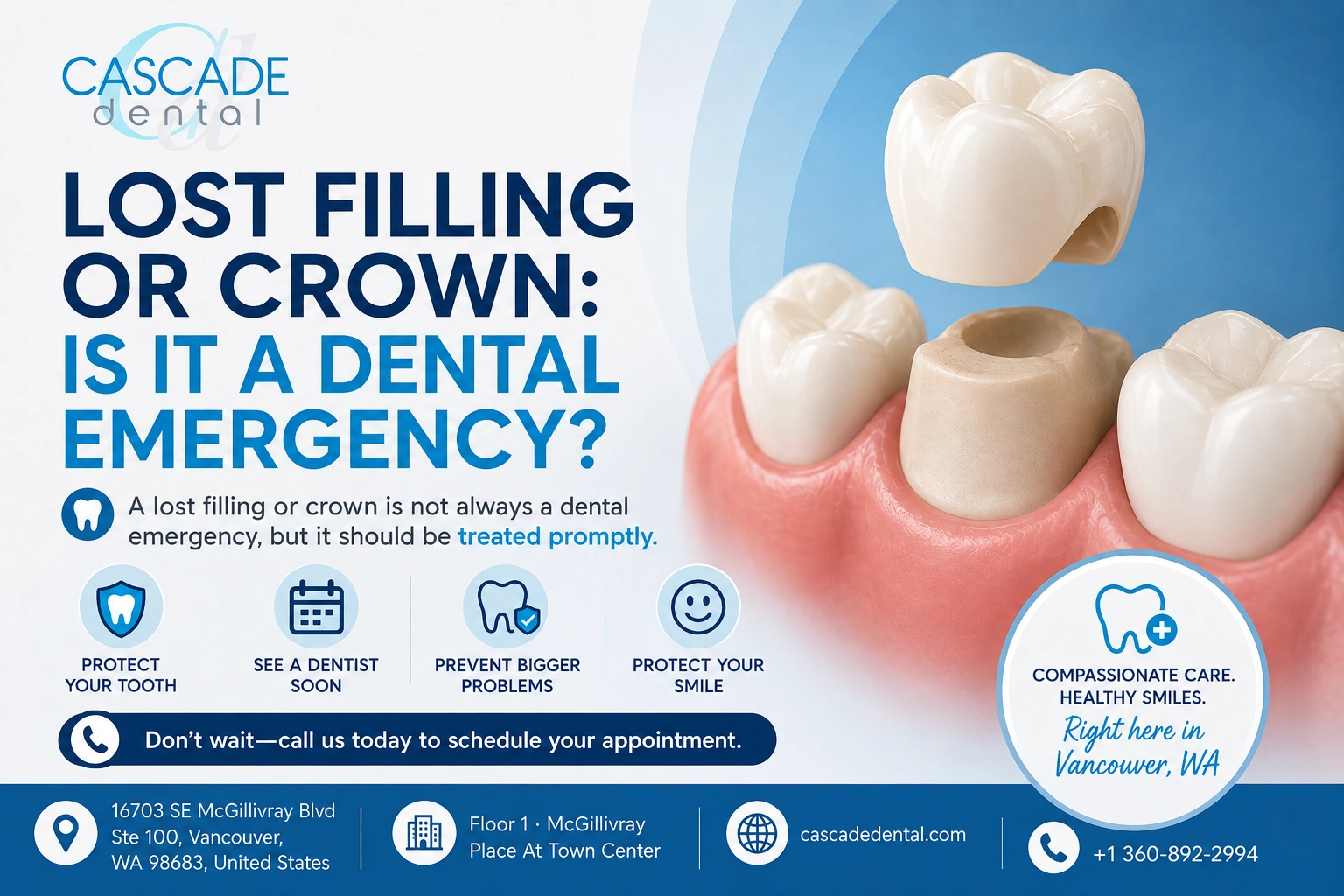
- lost fillings or crowns
- swollen gums
- dental abscess concerns
- pain from wisdom teeth
- severe sensitivity
In many of these cases, a dental clinic in Vancouver WA can evaluate the urgency, stabilize the problem area, and recommend the right next step, whether that means immediate treatment or a follow-up plan.
Convenience Can Make a Big Difference
Urgent dental pain rarely happens at a convenient time. Walk-in options can help people who cannot wait several days for a scheduled appointment. If the issue is dental and not part of a larger medical emergency, getting care from a dental provider is often the most efficient next move.
Can Urgent Care Treat Gum Infections or Severe Tooth Pain?
Urgent care can sometimes help with part of the problem, but it usually is not the best place for complete dental treatment.
Urgent Care May Help Manage Symptoms
If you visit a medical urgent care center with severe tooth pain or a possible gum infection, the provider may be able to check for signs of infection, swelling, or systemic illness. In some cases, they may prescribe medication to help with inflammation, pain, or infection when appropriate.
That can provide short-term relief, especially if you are in significant discomfort and cannot get into a dental clinic right away.
Urgent Care Usually Cannot Fix the Dental Issue Itself
The challenge is that urgent care centers generally do not perform dental procedures. They usually do not fill cavities, repair broken teeth, or treat the underlying source of a tooth infection. So while they may help you feel better temporarily, they often cannot resolve the actual dental issue.
That is why a dentist office is usually the better choice if the pain is clearly related to a tooth, gum, crown, filling, or jaw problem connected to dental disease.
Gum Infections Can Become Serious
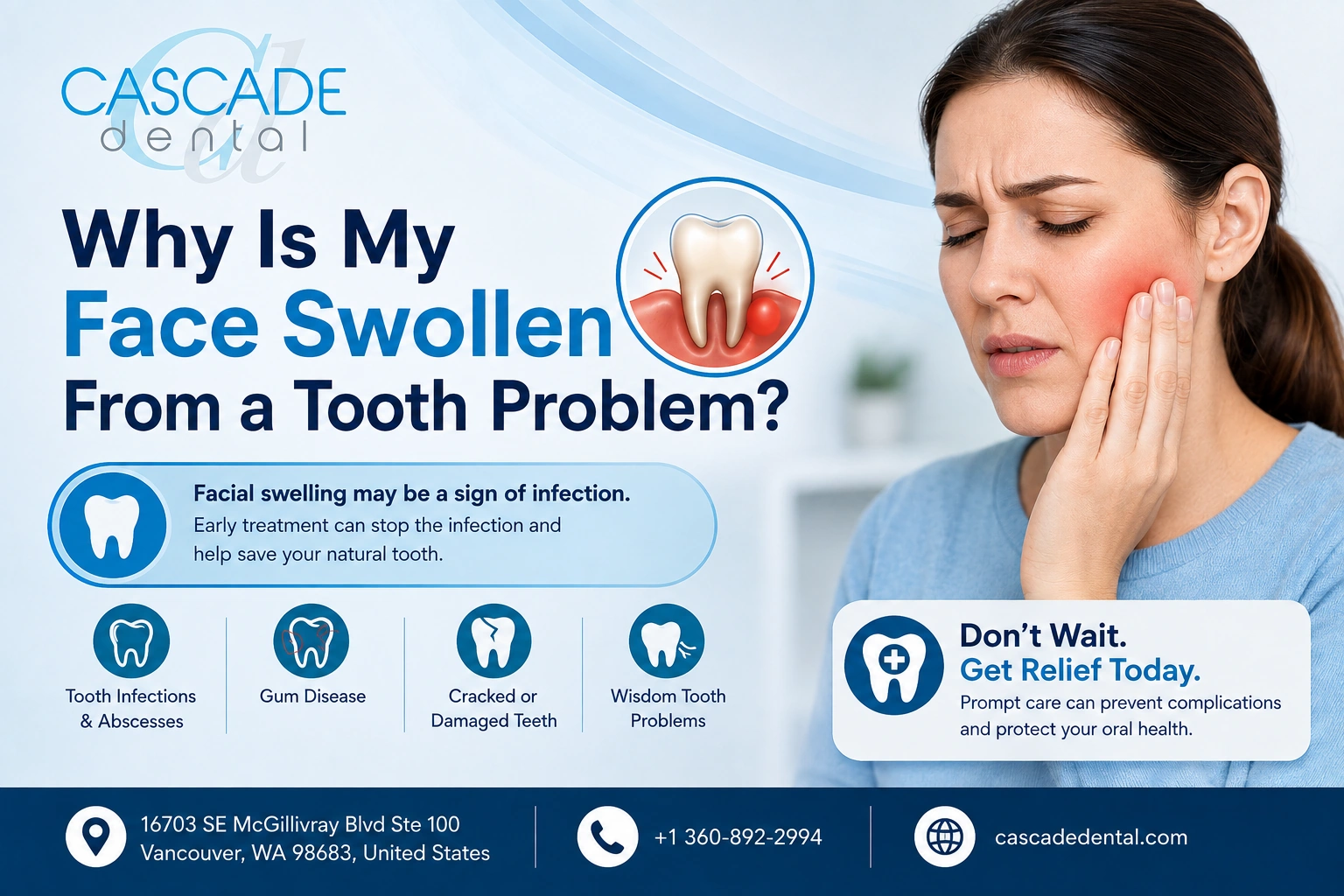
A gum infection or dental abscess can worsen if it is left untreated. If swelling is increasing, pain is becoming more intense, or you are having trouble eating, sleeping, or functioning normally, a dental clinic in Vancouver, WA is often the setting most likely to provide the focused care you need.
Can You Get Antibiotics For a Tooth Infection Without Seeing a Dentist?
Sometimes you may receive antibiotics from a medical provider, but antibiotics alone are usually not enough to fully resolve a dental infection.
Antibiotics May Be Prescribed in Some Cases
If you go to urgent care or another healthcare provider with signs of infection, such as swelling, pain, or tenderness, you may be prescribed antibiotics if the provider believes a bacterial infection is present. This can help slow the spread of infection or reduce symptoms for a short period.
But Antibiotics Do Not Remove the Source
This is the key issue. A tooth infection usually begins because something inside or around the tooth needs treatment. That may involve decay reaching the pulp, a deep crack, an abscess, or advanced gum disease. Antibiotics may help calm the infection, but they do not remove infected tissue, repair the tooth, or prevent the issue from returning.
That is why relying only on antibiotics without visiting a dental clinic can delay proper care. The discomfort may ease for a while, but the underlying issue can still remain.
Seeing a Dental Provider Is the Smarter Long-Term Move
If you suspect a tooth infection, seeing a dentist office is usually the best next step. A dental team can determine whether the tooth needs a filling, root canal, extraction, drainage, or another form of treatment. For patients searching for dependable care at a dental clinic Vancouver WA, getting evaluated early can help prevent the infection from becoming more serious.
What Is The 3-3-3 Rule For Toothache, and Does It Actually Work?
People often search for home remedies or quick pain solutions online when they cannot get immediate care. One phrase that sometimes appears is the “3-3-3 rule” for toothache. The problem is that this is not a real dental treatment and should not be used as a substitute for professional care.
Why People Look for Quick Rules
When a tooth starts throbbing, many people want a fast, simple answer they can try at home. That reaction is completely understandable. Tooth pain can be intense, distracting, and difficult to ignore. Still, quick-fix rules and online hacks do not identify the actual cause of the problem.
The emotional side of dental pain matters too. Understanding the psychology of emergency dentistry can help explain why sudden tooth pain often creates anxiety, urgency, and fear that may make the situation feel even more overwhelming.
Temporary Relief is Not the Same as Treatment
Some home measures may reduce discomfort for a short time. People may try a cold compress, a gentle warm saltwater rinse, or over-the-counter pain relievers used as directed. These steps may help you get through the moment, but they do not fix a cracked tooth, deep cavity, abscess, or inflamed nerve.
That is why a walk-in dental clinic can be so helpful. It gives you access to someone who can identify what is really causing the pain instead of leaving you to guess.
Severe or Persistent Toothache Needs Real Evaluation
If tooth pain is strong, lasts longer than a short period, keeps coming back, or comes with swelling, sensitivity, or difficulty chewing, it is time to contact a dentist office. Pain is a sign that something is wrong. For patients looking for help from a dental clinic in Vancouver WA, the safest approach is to treat home remedies as temporary support, not the solution.
When Should You Choose a Walk-In Dentist Over Urgent Care or The ER?
This is one of the most important questions because choosing the right setting can save time and help you get the right care faster.
Choose a Walk-in Dentist for Clearly Dental Problems
A walk-in dental clinic is usually the best option when the issue is obviously related to the teeth or gums, such as:
- a broken or cracked tooth
- severe tooth pain
- a lost filling or crown
- swelling around a tooth
- gum irritation or localized infection
- tooth sensitivity that becomes intense
- pain when chewing
- a knocked-out or loosened tooth from minor trauma
In these situations, a dentist office is more likely to provide the appropriate exam, imaging, and treatment plan. You can also learn more about what to do in the event of a dental emergency and the signs you need immediate dental care.
Choose Urgent Care When You Need Medical Support but Not Emergency-Level Care
Urgent care may make sense if:
- you cannot get into a dentist quickly
- you need short-term symptom support
- you are unsure whether the problem is dental or medical
- you may need evaluation for fever or infection symptoms beyond the mouth
Urgent care can be useful, but for dental problems, it is often a temporary step rather than the final answer.
Choose the ER for Serious or Potentially Life-Threatening Symptoms
The emergency room is the right choice if you have:
- trouble breathing
- trouble swallowing
- rapidly spreading facial swelling
- trauma involving major bleeding
- signs of a serious infection affecting the face, neck, or overall health
- a high fever with severe swelling and pain
- a jaw injury that may be broken or dislocated
These situations go beyond what a typical dental clinic or dentist office should manage alone. They require immediate medical attention.
The Best Choice Depends on the Level of Risk
For many urgent but non-life-threatening dental problems, a dental clinic in Vancouver, WA is the most practical and targeted place to begin. The more clearly the issue is dental, the more likely it is that a dentist will be the right provider to help you quickly and effectively.
Conclusion
A sudden toothache, swelling, or broken tooth can quickly disrupt your day and leave you searching for answers. This blog makes one thing clear: the best place to start often depends on how serious the symptoms are and whether the problem is truly dental.
Walk-in dental clinics can be a practical option for fast, focused care, while urgent care and the ER are better suited for specific medical concerns. The sooner you respond to the warning signs, the better your chances of protecting your comfort, health, and smile.
Get the Right Dental Care Before the Problem Gets Worse
When tooth pain, swelling, or a damaged tooth catches you off guard, getting the right care quickly can make all the difference. Walk-in dental clinics in Vancouver, WA are often the best place to start for urgent dental issues because they focus on treating the source, not just easing symptoms.
At Cascade Dental, we know how stressful urgent dental problems can feel. We are here to provide thoughtful care, clear answers, and timely support when you need us most. Our team wants to help you feel more comfortable, more informed, and more confident about your next step.