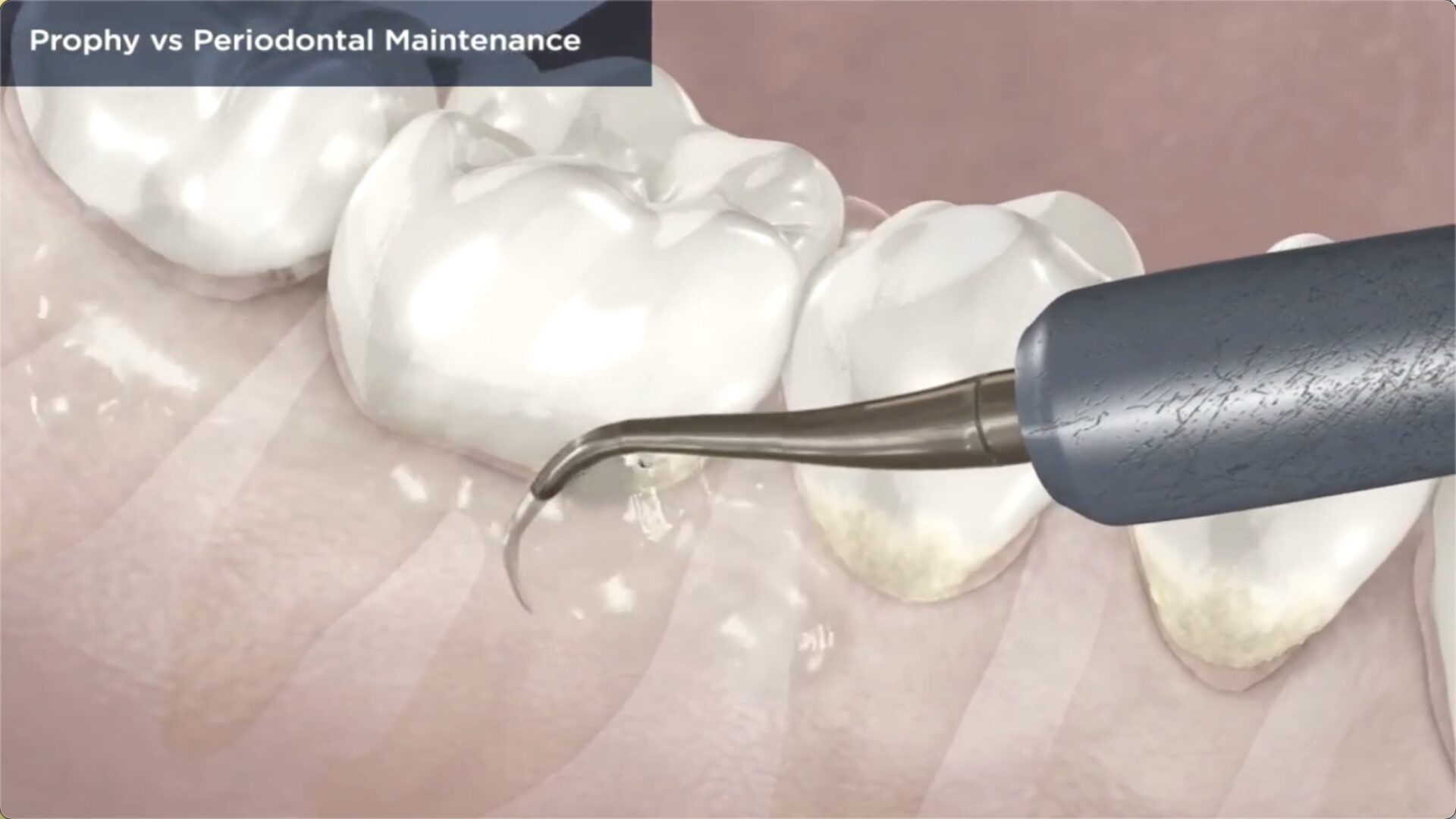
A dark spot on a tooth may be caused by surface staining, tooth decay, an older filling, or damage to the tooth’s structure. While some dark spots are harmless discoloration, others may indicate a cavity or another dental problem that needs professional attention.
At Cascade Dental, we help patients from Washougal, WA, understand changes in their teeth and determine when an examination is necessary. Knowing what can cause a brown, gray, or black spot can help you recognize concerning symptoms without assuming that every discoloration means tooth decay.
Dark Spot on Your Tooth? Don't Ignore It!
A dark spot could signal tooth decay or staining. Schedule a dental exam today to protect your smile.
Quick Answer: What Can a Dark Spot on a Tooth Mean?
A dark spot on a tooth can have several explanations, ranging from harmless staining to decay or damage beneath the enamel.
Some of the most common possibilities include:
- Surface staining: Coffee, tea, tobacco, and certain foods can leave brown or dark marks on tooth enamel.
- Tooth decay: Cavities may appear as brown or black spots, particularly in grooves or between teeth.
- Old dental fillings: Metal restorations and stained filling margins can create darker areas.
- Cracks or damage: Small cracks may collect pigments or expose darker tooth structure.
- Previous tooth injuries: Trauma can sometimes cause internal discoloration, making part or all of a tooth appear darker.
- Tartar buildup: Hardened plaque may become brown or black, especially near the gumline.
A dark spot does not automatically mean you have a cavity. However, its color, size, and location are not enough to confirm the cause.
If you notice a spot that persists, grows, or develops alongside sensitivity or discomfort, schedule a dental evaluation.
Can a Dark Spot Be Surface Staining?
Yes. Surface staining is a common explanation for darker areas on otherwise healthy teeth.
Your enamel can absorb or retain pigments from foods, drinks, and other substances over time.
These pigments may collect in small grooves, natural surface irregularities, or areas that are difficult to clean thoroughly.
Common Causes of Surface Stains
Several everyday habits can contribute to discoloration, including:
- Regular coffee or black tea consumption
- Tobacco smoking or chewing tobacco
- Frequently drinking dark-colored beverages
- Eating strongly pigmented foods
- Inadequate plaque removal
- Pigment accumulation around existing dental work
Surface stains may appear yellow, brown, gray, or nearly black.
They are sometimes more noticeable along the gumline or in the narrow grooves of molars.
Can Staining Look Like a Cavity?
Yes. Staining in the natural pits and fissures of back teeth can resemble early decay.
A dark line running through a molar’s chewing surface does not necessarily mean the tooth has a cavity.
Some grooves become stained while the underlying enamel remains intact.
However, decay can develop in these same areas, making professional examination important.
Will Brushing Remove a Dark Spot?
Some superficial staining may improve with regular brushing and professional cleaning.
However, deeply embedded stains and hardened tartar generally cannot be removed through ordinary brushing alone.
Avoid scraping the spot with sharp objects or using abrasive home remedies. These approaches can damage enamel or irritate your gums.
If the discoloration does not improve, a dentist can determine whether it is staining or something requiring treatment.
When Can a Dark Spot Mean Tooth Decay?
A dark spot may indicate tooth decay when acids produced by plaque bacteria have damaged the enamel or underlying tooth structure.
Tooth decay develops when bacteria use sugars from foods and drinks to produce acids that gradually remove minerals from teeth.
Over time, repeated acid exposure can weaken enamel and lead to cavities.
What Does Early Tooth Decay Look Like?
Early decay does not always appear dark.
It may initially develop as a chalky white area caused by mineral loss.
As the condition progresses, the affected area may become brown or black, although color alone cannot determine how advanced the decay is.
Some cavities form in natural grooves, while others develop near the gumline, between teeth, or around existing fillings.
Can a Black Spot Be a Small Cavity?
Yes. A small black or brown area may represent a cavity, particularly if the enamel has developed a pit or hole.
However, a dark mark can also be a stain in otherwise healthy enamel.
A dentist needs to examine the surface and, when appropriate, use X-rays to determine whether decay is present.
Does a Cavity Always Hurt?
No. Early tooth decay often causes no noticeable pain.
You might discover a dark area while brushing or looking in the mirror without experiencing any sensitivity.
As decay progresses, symptoms may include:
- Sensitivity to cold or sweet foods
- Discomfort when chewing
- A rough or damaged tooth surface
- Food repeatedly becoming trapped near one tooth
- Persistent or recurring tooth pain
Waiting until a tooth hurts can allow an existing problem to become more extensive.
This is why a new or changing dark spot deserves attention even when the tooth feels normal.
Can Old Fillings or Dental Work Look Dark?
Yes. Existing dental restorations can contribute to dark spots or discoloration.
The appearance depends on the type of material used, the age of the restoration, and the condition of the surrounding tooth.
Metal Fillings
Older silver-colored amalgam fillings naturally have a gray or metallic appearance.
In some cases, pigments from the material can also make nearby tooth structure look darker.
This discoloration does not necessarily indicate that the restoration has failed.
However, changes around an existing filling should still be evaluated.
Staining Around Tooth-Colored Fillings
Composite fillings are designed to blend with natural enamel.
Over time, discoloration may appear along the edges where the filling meets the tooth.
This can happen because of surface staining, gradual wear, or changes at the restoration margin.
Sometimes, a dark line is cosmetic staining rather than decay.
In other cases, it may indicate a gap, damaged restoration, or recurrent decay developing beside the filling.
Does a Dark Filling Need Replacement?
Not always.
Replacing a restoration solely because its edge appears dark may be unnecessary when the filling remains intact and the surrounding tooth is healthy.
Your dentist will assess the restoration’s condition before recommending replacement.
At Cascade Dental, we provide tooth-colored fillings when decay or tooth damage requires restorative treatment.
The decision to place or replace a filling depends on clinical findings rather than discoloration alone.
Could a Crack or Tooth Injury Cause Discoloration?
Yes. Cracks, fractures, and previous dental injuries can affect a tooth’s appearance.
However, the pattern of discoloration can differ depending on the type of damage.
Dark Lines Along Tooth Cracks
Small enamel cracks, sometimes called craze lines, may trap pigments from coffee, tea, or other staining substances.
These lines can become more visible over time.
Many superficial enamel craze lines are harmless, but deeper cracks can affect the tooth’s structure and may require treatment.
A dark line accompanied by pain when biting or sensitivity to temperature changes deserves professional evaluation.

Discoloration After Dental Trauma
A tooth may change color after being struck during a fall, sports accident, or another injury.
Trauma can damage the blood vessels and pulp inside the tooth.
In some cases, internal changes cause the tooth to appear gray, brown, or darker than neighboring teeth.
This often affects much of the tooth rather than creating a single small surface spot.
Can an Injured Tooth Darken Without Pain?
Yes. A tooth that has experienced trauma may change color without immediately becoming painful.
This does not automatically mean the tooth’s pulp has died, but it can indicate changes that require evaluation.
If one tooth becomes noticeably darker after an injury, contact your dentist.
A professional examination can help determine whether the discoloration is superficial or related to internal damage.

What Happens During a Routine Dental Checkup and Cleaning?
A routine visit usually includes an exam and a professional cleaning. A standard checkup and cleaning often takes about 30…

How Do Dentists Tell Staining From Decay?
A dentist considers several factors when examining a dark spot.
At Cascade Dental, we evaluate the tooth’s appearance, surface condition, dental history, and any symptoms you report.
The assessment may include the following.
Visual Examination
We examine the location, shape, and color of the discoloration.
A spot near an existing filling may raise different concerns than a dark groove on an otherwise healthy molar.
We also look for visible cavities, chipped enamel, damaged restorations, and changes in nearby teeth.
Checking the Tooth Surface
A dentist may assess whether the area appears smooth, intact, rough, or broken down.
This helps distinguish certain surface stains from structural changes.
However, the surface’s appearance alone may not provide a complete diagnosis.
Dental X-Rays When Needed
X-rays can help identify decay between teeth, beneath some restorations, or in areas that are difficult to evaluate visually.
Not every dark spot requires an X-ray.
Your dentist will determine whether imaging is appropriate based on the examination and your dental history.
Additional Testing
If a tooth has been injured or shows signs of internal damage, further testing may be recommended.
This can include evaluating the tooth’s response to temperature, checking the bite, or examining for cracks.
These findings help guide decisions about whether treatment is needed.
What Symptoms Make a Dark Spot More Concerning?
The appearance of a dark mark is only one part of evaluating a tooth.
Other symptoms can provide important information about whether the discoloration may be associated with decay, damage, or infection.
Watch for the following changes:
- Increasing size: A spot that becomes larger or spreads across the tooth.
- Tooth sensitivity: Discomfort when consuming cold, hot, or sweet foods.
- Pain when biting: Discomfort that may suggest decay, a crack, or another structural problem.
- Visible holes: Small pits or openings that were not previously present.
- Rough or chipped enamel: Changes in the tooth’s surface near the dark area.
- Gum swelling: Redness, tenderness, or swelling around the affected tooth.
- Persistent toothache: Pain that continues or returns without an obvious explanation.
- Recent injury: Discoloration developing after a tooth has been struck.
Not every concerning dental problem causes pain immediately.
If the discoloration persists or changes, an examination can help determine whether the tooth requires monitoring or treatment.
When Is Urgent Dental Care Necessary?
Contact a dentist promptly if a dark spot is accompanied by severe pain, swelling, fever, or signs of infection.
Seek emergency medical care for significant swelling that affects breathing, speaking, or swallowing.
These symptoms require attention regardless of whether the tooth has visible discoloration.
When Should You Book a Dental Exam?
Schedule a dental appointment if you notice a new dark spot that does not disappear with normal brushing, especially if you are unsure when it developed.
You should also arrange an evaluation when:
- The spot gradually becomes larger or darker.
- Sensitivity develops around the affected tooth.
- An existing filling has a new dark border.
- You notice a crack or chipped area.
- A tooth begins changing color after an injury.
- Food frequently becomes trapped around the same tooth.
- The affected area feels rough or damaged.
A small, stable stain may not require treatment, but it is best to confirm that the surrounding tooth remains healthy.
What Should You Do Before Your Appointment?
Continue brushing twice daily with fluoride toothpaste and cleaning between your teeth.
Avoid attempting to scrape away the spot or using harsh whitening products to conceal it.
If you experience sensitivity, try to avoid foods or drinks that trigger discomfort until your dentist evaluates the tooth.
You can also take a clear photograph of the discoloration to help track any visible changes.
Our dental examinations allow us to assess suspicious spots and recommend appropriate next steps.
What Treatment May Be Needed?
Treatment depends entirely on what is causing the discoloration.
Not every dark spot requires a filling, and some areas may need only monitoring or routine cleaning.
Professional Dental Cleaning
If the spot is caused by external staining or tartar buildup, professional cleaning may help remove the deposits.
Your dentist can also recommend appropriate home care to reduce future staining.
Monitoring or Preventive Treatment
Early enamel changes that have not formed a cavity may sometimes be managed with fluoride, improved plaque control, and regular monitoring.
The goal is to support remineralization and reduce the risk of further decay.
Dental Fillings
When decay has created a cavity, a filling may be necessary to restore the damaged tooth structure.
The dentist removes affected tissue as appropriate and restores the area with a suitable material.
Repairing Existing Dental Work
If a dark area is associated with a damaged filling or restoration, repair or replacement may be recommended.
A discolored but otherwise healthy restoration may not require immediate intervention.
Treatment for Cracks or Internal Damage
A cracked tooth may require bonding, a crown, or another procedure depending on the extent of the damage.
If the pulp has been irreversibly damaged or infected, root canal treatment may be necessary.
Tooth extraction is generally considered when the tooth cannot be predictably restored.
The appropriate treatment can only be determined after an examination.
Dark Tooth Evaluation in Washougal, WA
Finding a dark spot on your tooth can leave you wondering whether you need dental treatment or whether the discoloration is simply a stain.
At Cascade Dental, we welcome patients from Washougal, WA, and nearby communities who have concerns about tooth discoloration, sensitivity, and changes in existing dental restorations.
Our team takes time to understand your symptoms and examine the affected tooth.
We evaluate the appearance of the spot, check for visible signs of decay or damage, and recommend dental imaging when appropriate.
If the discoloration is caused by staining, we can explain whether professional cleaning may help.
If the examination identifies a cavity, damaged restoration, or another problem, we discuss the findings and available treatment options.
Our dental office is located at 16703 SE McGillivray Blvd, Suite 100, Vancouver, WA 98683, in the Fisher’s Landing area of east Vancouver.
We serve patients from Washougal, Camas, and surrounding communities who want clear answers about their dental concerns.
FAQs About Dark Spots on Teeth
Does a black spot on a tooth always mean a cavity?
No. A black spot may be caused by staining, tartar, an old filling, or decay. A dental examination is needed to distinguish harmless discoloration from a cavity.
Can a dark spot on a tooth go away on its own?
Surface stains may improve with cleaning, but discoloration caused by cavities or internal tooth changes will not simply disappear. Persistent spots should be evaluated.
Why is there a brown spot on my tooth but no pain?
Surface staining and early tooth decay can occur without discomfort. The absence of pain does not rule out a cavity or another dental problem.
Can a dentist remove a black spot without drilling?
Sometimes. If the spot is external staining or tartar, professional cleaning may remove it. Early noncavitated enamel changes may also be managed without drilling in suitable cases.
Why is my tooth turning gray after an injury?
Gray discoloration after trauma may indicate changes inside the tooth, including damage to the pulp. A dentist should examine the tooth to determine whether monitoring or treatment is necessary.
Should I whiten a tooth with a dark spot?
Have the spot examined first. Whitening cannot repair tooth decay, and some types of discoloration may not respond to bleaching. Your dentist can recommend an appropriate approach after identifying the cause.
Schedule a Dental Evaluation at Cascade Dental
If you have noticed a brown, gray, or black spot on a tooth, do not assume it is harmless staining or automatically a cavity.
At Cascade Dental, we help patients from Washougal, Vancouver, Camas, and nearby communities understand changes in their dental health.
Our team will evaluate the affected tooth, look for possible signs of decay or damage, and explain whether cleaning, monitoring, or restorative treatment may be appropriate.
We believe patients should understand their dental concerns before making treatment decisions. Whether the discoloration is cosmetic or associated with a problem that requires care, we provide clear recommendations based on your individual needs.
Call Cascade Dental at (360) 892-2994 to schedule an appointment or contact our office to learn more about your dental care options.
Worried About a Dark Spot on Your Tooth?
Get professional dental care to identify the cause and prevent potential problems. Call today!