
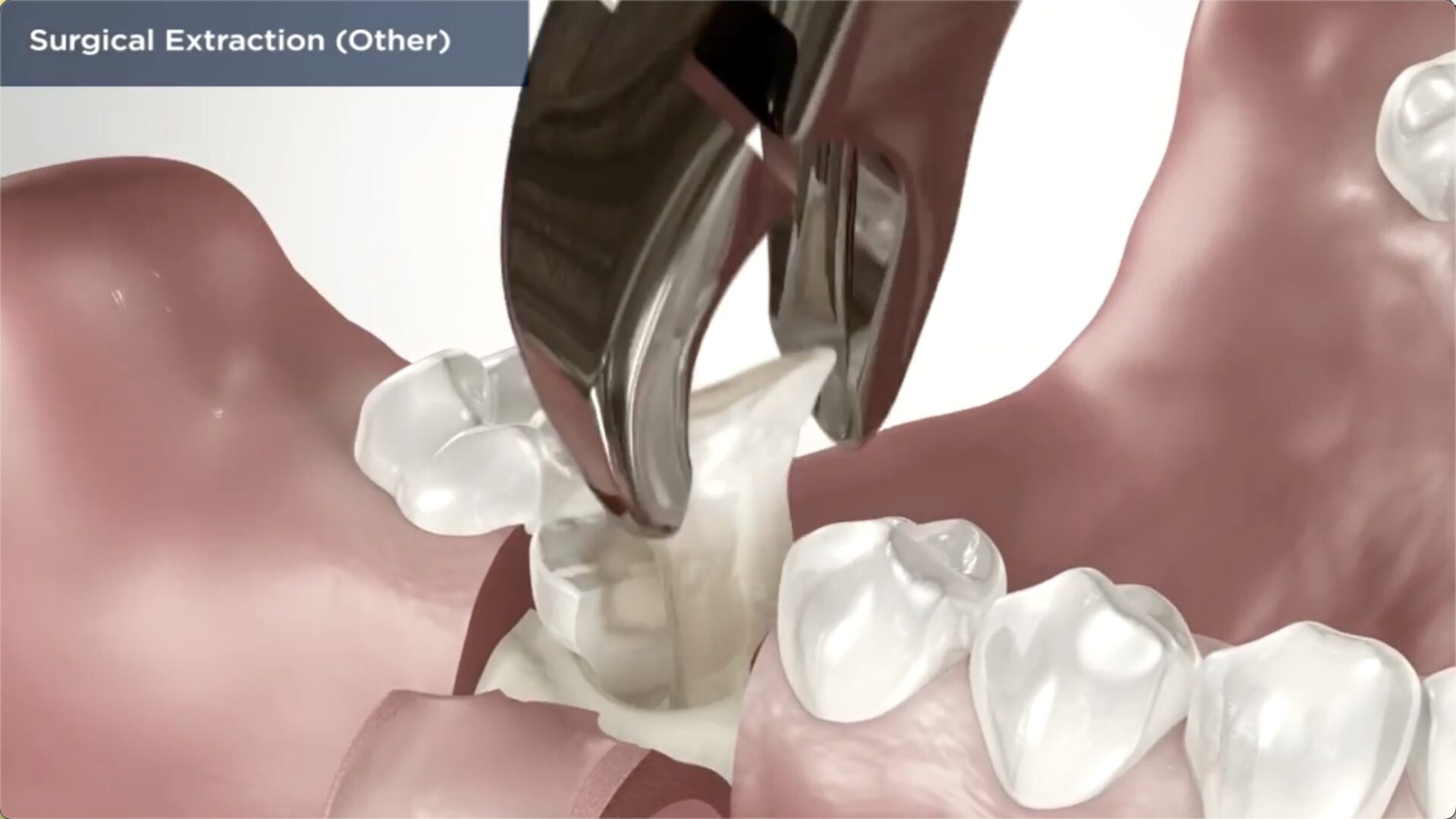
No one walks into a dental office hoping to hear the word “extraction.”
It feels heavy. Final. Almost dramatic.
We’re wired to think that saving a tooth is always the goal, and most of the time, it absolutely is. Modern dentistry is built around preservation. Fillings, crowns, root canals, bonding — all of it exists to protect and maintain your natural teeth for as long as possible.
But here’s the honest truth: sometimes removing a tooth is not a failure. Sometimes, it’s the healthiest and most responsible choice.
Let’s talk about when tooth extractions become the best option — not the last resort, not the scary backup plan — but the right decision for long-term dental health.
When Does a Tooth Extraction Become the Best Option For Dental Health?
The short answer? When keeping the tooth causes more harm than good.
Dentists do not recommend extractions lightly. Before suggesting removal, they consider:
- The extent of damage
- The health of surrounding teeth and bone
- The risk of infection spreading
- Your overall oral health goals
There are situations where preserving a tooth may actually compromise the rest of your mouth.
For example:
- A severely infected tooth that cannot be fully treated
- A fractured tooth below the gumline
- Advanced gum disease that has destroyed supporting bone
In these cases, extraction may prevent:
- Ongoing pain
- Chronic infection
- Bone loss
- Damage to adjacent teeth
It’s not about giving up on a tooth. It’s about protecting your overall health.
Sometimes the most proactive choice is removal, followed by a strong replacement plan like an implant or bridge.
What Dental Conditions Require Removing a Tooth Instead of Saving It?
There are specific conditions where extraction becomes the most predictable and healthy solution.
1. Severe Tooth Decay
When decay reaches deep into the tooth and destroys most of the structure, there may not be enough healthy enamel left to support a filling or crown.
If the tooth is:
- Structurally compromised
- Crumbling
- Unable to hold a restoration
Extraction may prevent repeated failed treatments.
2. Advanced Periodontal (Gum) Disease
Gum disease can erode the bone that holds your teeth in place.
If a tooth becomes:
- Loose
- Painful when chewing
- Surrounded by severe bone loss
Saving it may not be realistic long term.
Removing it can stop infection from spreading and protect nearby teeth.
3. Impacted Wisdom Teeth
Wisdom teeth often:
- Grow at awkward angles
- Get trapped beneath the gums
- Press against neighboring teeth
Even if they aren’t causing pain yet, impacted wisdom teeth can lead to infection, crowding, and cyst formation.
Extraction in these cases is preventive.
4. Cracked or Fractured Teeth Below The Gumline
If a fracture extends into the root and below the bone level, repair options become limited.
While crowns and root canals can treat many cracks, deep vertical fractures often cannot be restored predictably.
5. Overcrowding For Orthodontic Treatment
In some orthodontic cases, removing one or more teeth allows proper alignment and bite correction.
This type of extraction supports long-term function and stability.
Why Would a Dentist Recommend Extraction Over a Root Canal?
Root canals have an unfair reputation. They’re actually effective and common procedures that save teeth.
So why would a dentist choose extraction instead?
Here’s where nuance matters.
A root canal treats infection inside the tooth’s pulp. But it only works well if the surrounding structure is strong enough to support restoration afterward.
A dentist may recommend extraction over a root canal if:
- The tooth is too damaged to support a crown
- There’s severe root fracture
- Repeated root canal treatments have failed
- Bone support is insufficient
- The long-term prognosis is poor
Think of it this way: a root canal is like repairing the inside of a house. But if the foundation is crumbling, interior repairs won’t hold up.
Dentists look at long-term outcomes. If a tooth has a high chance of failing again within a short period, extraction followed by a more stable replacement may actually save time, discomfort, and money.
It’s not about choosing the simpler procedure. It’s about choosing the most predictable one.
How Do Dentists Determine If a Tooth Cannot Be Restored and Needs Extraction?
This decision is not made casually.
Dentists rely on a combination of:
- Digital X-rays
- Clinical exams
- Periodontal measurements
- Bite analysis
- Medical history
Here are some of the key factors they evaluate:
1. Remaining Tooth Structure
If more than half the tooth is destroyed, especially below the gumline, restoration becomes difficult.
A crown needs enough healthy structure to anchor securely.
2. Root Integrity
Cracks extending into the root are a major red flag. Unlike surface cracks, root fractures often cannot be stabilized.
3. Bone Support
Teeth need solid bone around them to function properly.
If X-rays show severe bone loss, especially around multiple surfaces, long-term stability decreases.
4. Infection Severity
Chronic abscesses or infections that don’t respond to treatment may require removal to stop bacteria from affecting other areas.
5. Overall Oral Health Plan
Sometimes extraction supports a broader treatment strategy.
For example:
- Preparing for dentures
- Creating space for orthodontics
- Stabilizing a compromised bite
Dentists do not think in isolation. They look at how one tooth affects the entire system.
Extraction as a Preventive Decision
It’s important to understand that extraction is not always reactive. Sometimes it’s preventive.
For example:
- Removing a severely damaged tooth before infection spreads
- Extracting wisdom teeth before they damage adjacent molars
- Removing teeth that compromise orthodontic alignment
Prevention often feels counterintuitive. Removing something to improve health sounds drastic.
But dentistry is about balance. A healthy mouth is not about how many teeth you have. It’s about how well the entire system functions together.
Looking Beyond The Extraction
An extraction is not the end of treatment. It’s often the beginning of a new phase.
After removal, your dentist will discuss:
- Healing timeline
- Bone preservation options
- Replacement choices
- Long-term maintenance
In many cases, planning for replacement begins immediately.
This forward-thinking approach ensures:
- Proper bite alignment
- Prevented shifting of surrounding teeth
- Preserved jawbone health
Extraction without a plan is incomplete. Extraction with a strategy is proactive care.
Choosing Health Over Hesitation With Cascade Dental
If you’ve been told you may need a tooth extraction, it’s normal to feel uncertain. But clarity comes from understanding the why behind the recommendation.
At Cascade Dental, we prioritize preservation whenever possible — but we also recognize when removal is the healthiest path forward. Our team carefully evaluates each case, explains your options clearly, and builds a treatment plan designed around long-term comfort and function.
If you’re experiencing pain or have been putting off a conversation about a problem tooth, let’s address it together. Schedule your consultation with us today and take the next step toward a stronger, healthier smile.

