Let’s be honest. Nobody grows up dreaming about replacing a tooth.
Tooth loss used to feel like something you just “dealt with.” Maybe your grandparents had dentures sitting in a glass overnight. Maybe you remember a relative talking about bridges like they were some kind of complicated engineering project happening inside their mouth.
For a long time, tooth replacement was about compromise.
- “It’s good enough.”
- “You’ll get used to it.”
- “Just chew on the other side.”
But here we are in 2026, and something has clearly shifted.
People don’t want temporary fixes anymore. They don’t want removable solutions that slide around. They don’t want to worry about adhesives, clicking sounds, or avoiding certain foods.
They want permanence.
Dental implants represent that shift. They’re not just another option on a treatment menu. They’re part of a broader mindset change in dentistry—one that prioritizes stability, long-term value, and living without constant reminders of what was lost.
Let’s talk about why that change is happening and why implants are leading the way.
Why are Dental Implants Becoming the Preferred Long-Term Solution For Missing Teeth?
The simple answer? Because they feel the most like real teeth.
And that matters more than people realize.
When someone loses a tooth, the impact isn’t just cosmetic. It’s structural. Teeth support each other. They help maintain jawbone density. They guide your bite.
Take one out of the equation, and the whole system shifts.
Dental implants address that shift at the root level—literally.
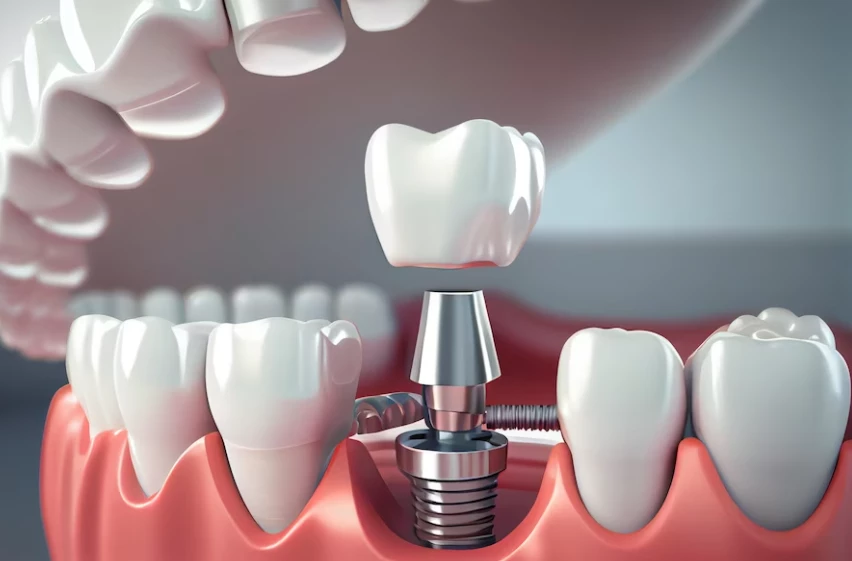
Unlike dentures or traditional bridges, implants replace both:
- The visible crown (what you see above the gumline)
- The root structure (anchored into the jawbone)
That root replacement is the game changer.
Here’s why people are gravitating toward implants:
- They don’t slip or move.
- They allow you to chew confidently.
- They preserve jawbone health.
- They look natural.
- They don’t rely on neighboring teeth for support.
There’s also a psychological component. Patients often say the same thing after receiving implants: “It feels like my tooth again.”
That sense of normalcy is powerful.
In an age where people invest in long-term health—from fitness trackers to preventative screenings—implants fit that proactive mindset. They aren’t about patching a problem. They’re about restoring function permanently.
How Do Dental Implants Compare to Dentures and Bridges in Durability and Function?
This is where things get practical.
Dentures have been around for centuries in some form. Modern dentures are certainly more advanced than what your great-grandparents wore. They’re lighter, better fitted, and more comfortable.
But they’re still removable.
That means:
- They can shift while speaking.
- They may require adhesives.
- They don’t stimulate the jawbone.
- They typically need replacement over time due to bone changes.
Bridges, on the other hand, are fixed. They’re cemented in place and look natural. But they rely on adjacent teeth for support. That means those neighboring teeth must be reshaped and crowned—even if they were healthy to begin with.
Now let’s look at implants.
Durability:
- Titanium implant posts are designed to integrate with bone.
- With proper care, they can last decades.
- Many are considered lifetime solutions.
Function:
- They allow full biting force.
- No removable parts.
- No dependency on other teeth.
From a structural perspective, implants stand alone. They don’t weaken neighboring teeth. They don’t accelerate bone loss the way missing teeth or dentures can.
It’s like comparing:
- A removable patch (dentures)
- A structural bridge supported by other structures (bridges)
- A full foundational rebuild (implants)
When patients weigh long-term durability, implants often win the conversation.
What Makes Dental Implants a Permanent Fix For Tooth Loss?
The word “permanent” gets used carefully in dentistry. Nothing in the human body is completely immune to time. But implants come close.
Here’s what makes them unique.
Osseointegration.
It sounds technical, but it simply means this: the implant fuses with your jawbone.
The titanium post doesn’t just sit in the bone. The bone grows around it, anchoring it in place.
That integration provides:
- Stability
- Strength
- Resistance to movement
- Bone preservation
When a tooth is lost and nothing replaces the root, the jawbone in that area begins to shrink. Over time, this can change facial structure, create a sunken appearance, and affect adjacent teeth.
Implants prevent that bone loss by stimulating the bone during chewing—just like a natural tooth root.
That’s why they’re considered a foundational fix rather than a cosmetic one.
Patients often ask, “Will it feel different?”
Initially, yes. Healing takes time. But once integrated, most patients forget which tooth is the implant.
And that’s the goal. No daily reminders. No maintenance routines beyond brushing and flossing.
Permanent doesn’t mean zero care. It means stable, long-term integration with your natural anatomy.
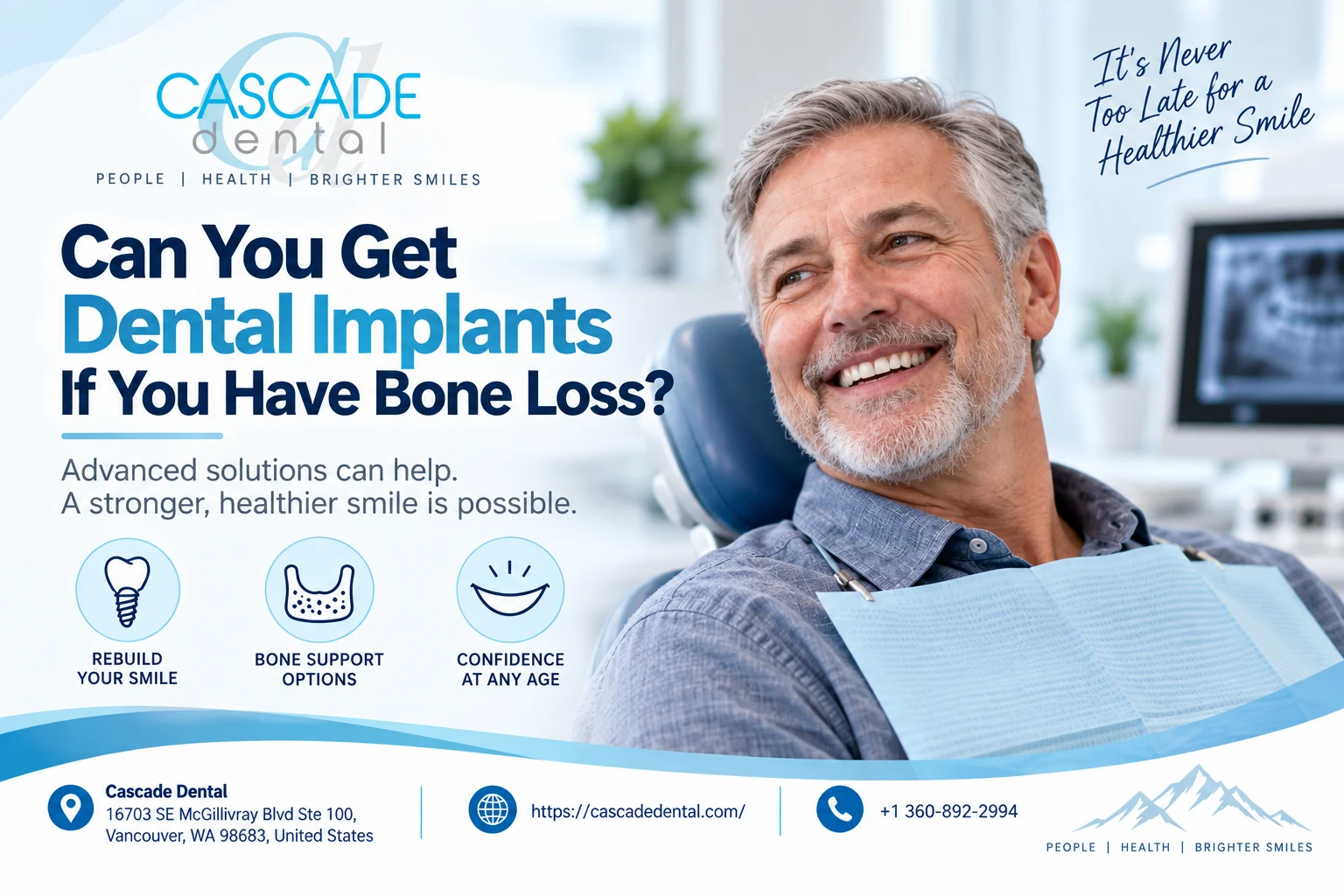
Are Dental Implants Suitable For Patients With Bone Loss or Gum Disease?
This is where nuance matters.
Years ago, significant bone loss might have disqualified someone from implants. Today, dentistry has evolved.
Bone grafting procedures can:
- Rebuild lost bone
- Strengthen implant sites
- Prepare the jaw for long-term stability
Similarly, gum disease must be managed before implant placement. Active infection compromises healing.
But once periodontal health is restored, many patients become candidates again.
Modern techniques include:
- Guided bone regeneration
- Sinus lifts (for upper jaw implants)
- Advanced imaging for precise placement
- Digital surgical planning
Implant dentistry is more customizable than ever.
That said, candidacy depends on:
- Overall health
- Smoking status
- Bone density
- Oral hygiene habits
A thorough evaluation determines the right approach.
The important takeaway? Tooth loss no longer automatically means removable dentures. Even patients who’ve worn dentures for years may qualify for implant-supported options.
And those transitions can be life-changing. Understanding the emotional journey of tooth loss can also help patients recognize that replacing a missing tooth is about more than restoring function. It can be part of feeling comfortable and whole again.
The Emotional Shift Toward Permanence
Let’s talk about something rarely discussed: confidence.
Missing teeth change how people eat, smile, and speak. Some people avoid photos. Others avoid certain foods. Some even laugh differently to hide gaps.
Dentures can restore appearance, yes. But implants restore confidence in motion.
No second guessing.
No subtle shifting.
No avoiding crunchy foods.
It’s not just about teeth. It’s about lifestyle. The connection between dental implants and confidence becomes especially clear when patients can smile, speak, and eat without constantly thinking about their tooth replacement.
In 2026, people are investing in longevity across every area of health. They want solutions that:
- Reduce future procedures
- Support structural integrity
- Offer predictability
- Provide peace of mind
Dental implants align with that philosophy.
Are Implants Always the Right Choice?
Not necessarily.
There are situations where:
- Medical conditions complicate surgery
- Budget limitations influence decisions
- Short-term solutions make more sense
Dentistry isn’t one-size-fits-all.
But what’s changed is this: implants are no longer considered a luxury option. They are increasingly viewed as the standard for long-term tooth replacement.
And that reflects a broader cultural shift—from temporary fixes to permanent solutions.
Let’s Talk About Your Permanent Solution at Cascade Dental
If you’re living with missing teeth or struggling with dentures that never quite feel right, it might be time to consider a more permanent option.
At Cascade Dental, we approach dental implants thoughtfully and thoroughly. We evaluate bone health, gum condition, and long-term goals to design a plan tailored to you—not just your tooth.
Whether you’re missing one tooth or exploring full-arch solutions, our goal is simple: restore strength, function, and confidence in a way that lasts.
Schedule a consultation with us today and let’s explore whether dental implants are the right permanent solution for your smile.